Electrical wiring is a critical aspect of any home, and it’s essential to get it right to ensure safety, efficiency, and reliability. In Nigeria, where electrical infrastructure can be unpredictable, it’s crucial to understand the basics of electrical wiring to avoid potential hazards and costly repairs. In this article, we’ll cover the essentials of electrical wiring in Nigerian homes, so you can make informed decisions about your electrical system.
Understanding Electrical Wiring Basics
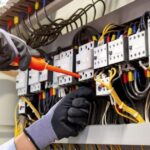
Electrical wiring is the network of wires that carries electricity from the power source to various parts of your home. It’s essential to understand the basics of electrical wiring to ensure that your system is safe and efficient. Here are some key concepts to grasp:
– Circuit Breakers: Circuit breakers are designed to interrupt the flow of electricity in case of an overload or short circuit. They’re an essential safety feature in any electrical system.
– Fuses: Fuses are another safety feature that melts when there’s an overload or short circuit, breaking the circuit and preventing damage.
– Wiring Types: There are different types of wiring, including single-phase and three-phase wiring. Single-phase wiring is commonly used in residential homes, while three-phase wiring is often used in commercial and industrial settings.
Safety Precautions
Electrical safety is paramount in any home. Here are some safety precautions to take:
– Use Qualified Electricians: Always hire qualified electricians to install, maintain, or repair your electrical system.
– Avoid Overloading: Avoid overloading your electrical system, as it can cause fires and other hazards.
– Keep Electrical Appliances Away from Water: Keep electrical appliances away from water to prevent electrical shocks.
Common Electrical Wiring Issues in Nigerian Homes
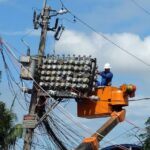
Nigerian homes often face unique electrical wiring challenges due to factors like inadequate infrastructure and harsh weather conditions. Here are some common issues:
– Power Surges: Power surges can damage electrical appliances and wiring. Consider installing surge protectors to safeguard your equipment.
– Voltage Fluctuations: Voltage fluctuations can cause electrical appliances to malfunction or fail. Consider installing voltage stabilizers to regulate the voltage.
– Poor Wiring: Poor wiring can cause electrical shocks, fires, and other hazards. Ensure that your wiring is installed and maintained by qualified electricians.
Best Practices for Electrical Wiring
To ensure a safe and efficient electrical system, follow these best practices:
– Use High-Quality Materials: Use high-quality materials, such as copper wiring, to ensure durability and efficiency.
– Plan Your Electrical System: Plan your electrical system carefully to ensure that it meets your needs and is safe.
– Regular Maintenance: Regular maintenance is essential to ensure the longevity and efficiency of your electrical system.
Electrical wiring is a critical aspect of any home, and it’s essential to get it right to ensure safety, efficiency, and reliability. By understanding the basics of electrical wiring, taking safety precautions, and following best practices, you can ensure a safe and efficient electrical system in your Nigerian home.
– Hire Qualified Electricians: Always hire qualified electricians to install, maintain, or repair your electrical system.
– Be Mindful of Safety: Be mindful of safety when working with electrical systems, and take precautions to avoid electrical shocks and other hazards.
– Plan for the Future: Plan your electrical system carefully to ensure that it meets your future needs and is safe.
By following these tips and understanding the essentials of electrical wiring, you can ensure a safe and efficient electrical system in your Nigerian home.