Service by Energymall

air-cooled servo stabilizer

Safeguarding Household Investments: Overcoming Post Grid Collapse Voltage Surges with Robust Stabilizers

  After hours or even days without electricity, the return of grid power usually brings relief to Nigerian households. Lights come back on, fans begin to spin, and daily activities resume. Unfortunately, that moment of relief can sometimes turn into panic when a loud pop, flickering lights, or the smell of burnt electronics signals that valuable appliances have just been damaged by a sudden voltage surge.   This is a growing concern because Nigeria’s electricity grid occasionally experiences major disruptions. When power is restored after a widespread outage or grid collapse, voltage levels may fluctuate significantly before becoming stable. Instead of receiving the steady power that household appliances are designed for, homes may experience brief spikes in voltage that place sensitive electrical equipment under enormous stress.   A voltage surge is a sudden increase in electrical voltage that lasts for only a fraction of a second, but that brief moment is often enough to destroy electronic components. Modern appliances such as smart televisions, inverter air conditioners, refrigerators, desktop computers, routers, and home entertainment systems contain delicate circuit boards and microprocessors that are particularly vulnerable to these spikes. Once damaged, repairs can be expensive, and in many cases replacement becomes the only option.   From an engineering perspective, the destructive effect of a surge increases rapidly as the surge voltage rises. Surge Energy Dissipation ∝ V²(surge) ÷ R(insulation) In simple terms, the higher the voltage spike, the greater the amount of damaging energy that can pass into an appliance. This is why even a very short surge can permanently damage expensive equipment.   Fortunately, this type of damage is largely preventable. Heavy duty voltage stabilizers help maintain a safer voltage supply to connected appliances, while over voltage protection devices installed at the main distribution board automatically disconnect power whenever dangerous voltage levels are detected. Together, these protective systems act as the first line of defense against unpredictable grid conditions.   At Energymall, our UPS and stabilizer specialists help homeowners choose the right protection for their homes, whether it is a dedicated stabilizer for individual appliances or a whole house protection system. Investing in proper voltage protection today can prevent costly repairs tomorrow and give you greater peace of mind every time electricity is restored. Visit service.energymall.ng to book any of our maintenance/installation services

AC repairs

Inverter AC Installation in Nigeria: Save More on Energy

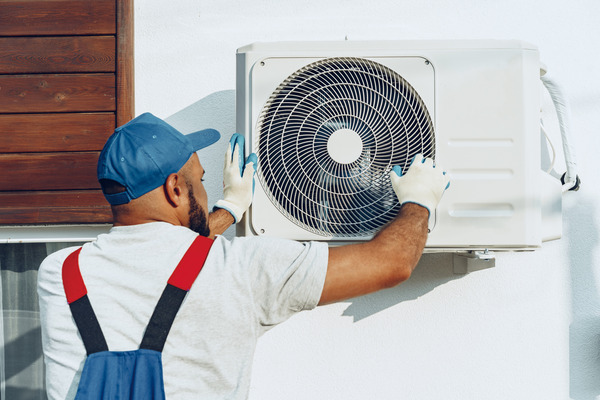
  Energy costs in Nigeria are a significant part of any household or business budget. As we move toward more sustainable living, the shift from traditional cooling systems to inverter technology has become a necessity rather than a luxury. At Energymall , we prioritize providing energy solutions that offer long term value and operational efficiency.   Understanding how an inverter system works and why the installation process is critical can save you thousands of Naira in repair costs and electricity bills. The Science of Savings: Inverter vs. Constant Speed The primary difference between a traditional air conditioner and an inverter model lies in the compressor. Constant Speed (Non-Inverter): These systems operate on an “all or nothing” principle. The compressor runs at full speed until the desired temperature is reached, then shuts off completely. When the room warms up, it kicks back on with a high surge of current. This start-stop cycle is the primary cause of high energy consumption. Inverter Technology: An inverter compressor varies its speed. Instead of shutting off, it slows down once the room is cool, maintaining the temperature with minimal power. This eliminates the heavy “startup load,” leading to energy savings of up to 30% to 50% depending on usage patterns.   Why Professional Inverter AC Installation in Nigeria Matters Purchasing a high end unit is only half the battle. Inverter AC installation in Nigeria requires a higher level of technical precision than older models. Many “roadside” technicians apply traditional methods to modern machines, which often leads to premature system failure. 1. The Necessity of Vacuuming the System One of the most overlooked steps in local installations is the use of a vacuum pump. Inverter systems often use R32 or R410A refrigerants. These gases are highly sensitive to moisture and non-condensable gases (air). The Fact: If air remains in the copper pipes, it reacts with the refrigerant oil to create acid, which eventually corrodes the compressor from the inside. The Verification: Manufacturer warranties from brands like LG, Panasonic, and Samsung often state that failure to vacuum the system during installation voids the warranty. 2. Preventing Gas Leaks Inverter units operate at higher pressures than older R22 systems. A professional AC installer near me will ensure that flare joints are tightened to specific torque settings. Poorly flared pipes are the leading cause of “gas finish,” a common complaint in Nigerian households that is actually a sign of a slow leak rather than natural consumption.   Maintenance and Longevity To keep your unit running at peak efficiency, regular inverter AC servicing in Nigeria* is mandatory. Because inverter PCB boards (the “brain” of the AC) are sensitive to dust and heat, a dirty outdoor unit can cause the board to overheat and fail. If your unit stops cooling effectively, searching for air conditioner repair near me should be your first step, but ensure the technician understands inverter diagnostics. Unlike traditional units, inverter ACs use error codes (blinking lights) to communicate specific sensor or board issues.     Summary Checklist for a Standard Installation When you hire a professional for your installation, ensure they follow these verified steps: Positioning: Ensure the outdoor unit has at least 30cm of clear space for heat dissipation. Voltage Protection: Always use a dedicated AVS (Automatic Voltage Switcher) to protect the sensitive inverter boards from Nigeria’s frequent power surges. Correct Cable Sizing: Inverter units require specific cable gauges to handle the variable current.   Choose the Professional Path At Energymall, we understand that your air conditioner is an investment in comfort and productivity. Cutting corners during installation leads to “hidden” costs in the form of frequent gas refills and high electricity bills. By choosing a qualified professional for your inverter AC installation in Nigeria, you ensure that your technology actually works for you, keeping your environment cool and your energy bills low.   For more of our installation services, visit service.energymall.ng

Television installation

Living Smart: Why Professional TV and Home Appliance Setup Changes Everything

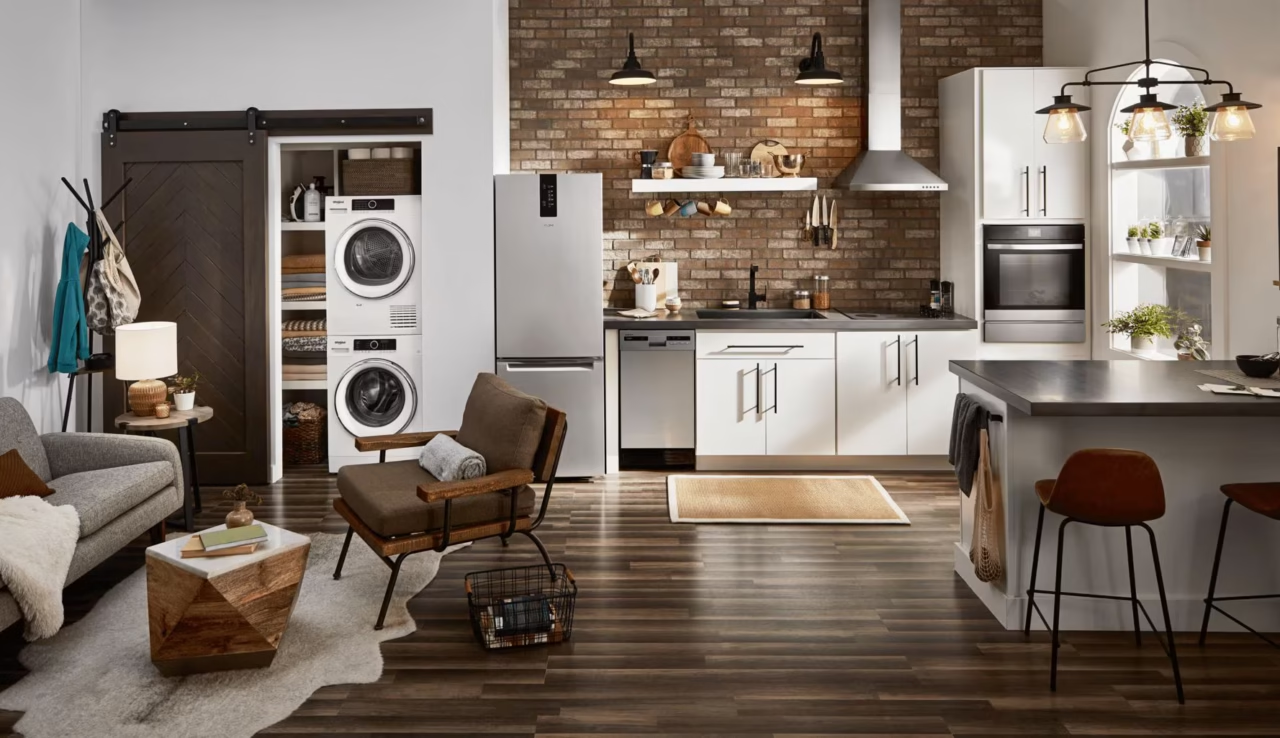
  In the modern Nigerian home, the transition toward a “Smart Home” is no longer just a luxury; it is a shift toward efficiency, safety, and long-term value. While the convenience of high-end electronics is undeniable, the performance of these devices is only as good as their initial configuration. At Energymall , we have observed that the difference between a high-performing household and one plagued by constant faults often comes down to the quality of the setup.   The Foundation of Entertainment: Professional TV Installation in Nigeria The centerpiece of most living rooms is the television. However, a smart TV is a sophisticated piece of hardware that requires more than just a power outlet. Opting for professional TV installation in Nigeria ensures that your investment is protected from the start. Structural Integrity: Professional installers assess wall strength before mounting. In many Nigerian builds, internal wall consistency varies, and using the wrong anchors can lead to expensive panel damage. Optimal Viewing Angles: A TV installer near me provides the technical expertise to calculate the correct height and tilt, reducing neck strain and glare from ambient lighting. Cable Management and Safety: Beyond aesthetics, proper cable management prevents “cable nesting,” which is a primary cause of overheating and short circuits behind entertainment centers.   If your current display is flickering or failing to connect to your local network, seeking Smart TV repair in Nigeria through certified technicians is the only way to ensure genuine replacement parts are used, maintaining the lifespan of your unit.   Precision in the Kitchen: Electric Cookers and Small Appliances The kitchen is the highest energy-consuming zone in the home. It is also the area most prone to electrical hazards if appliances are poorly integrated into the home’s power grid. The Role of the Expert Installer An electric cooker installer near me does more than plug in a cord. High-wattage cooking appliances require dedicated circuits and specific wire gauges. According to Nigerian electrical safety standards, connecting a high-load electric cooker to a standard ring main can lead to melted sockets and potential fire hazards. Professional installation verifies that your home’s distribution board can handle the load. Maintaining the Small Essentials Even smaller devices require a professional touch. Many homeowners overlook toaster repair in nigeria , often attempting DIY fixes on heating elements. This is risky; toasters operate on high thermal energy and any misalignment in the internal wiring after a DIY attempt can lead to a chassis ground fault, posing a shock risk to the user.   The Energymall Verification: Why Professional Service Matters At Energymall, we prioritize facts over assumptions. Our service data indicates three core reasons why professional maintenance is non-negotiable for Nigerian households: | Feature | Risk of DIY / Uncertified Setup | Benefit of Professional Service | | : – | : – | : – | | Electrical Load | Overloaded circuits and tripped breakers. | Load balancing and dedicated wiring. | | Warranty | Most manufacturer warranties are voided by self-repair. | Validated service receipts preserve warranty. | | Fire Safety | 80% of domestic electrical fires stem from poor connections. | Pressure-tested connections and heat-resistant insulation. |   Living smart is about making choices that reduce stress and increase safety. Whether you are searching for a TV installer near me to create the perfect home cinema or need a reliable hand for electric cooker repair , the goal remains the same: a home that works for you without hidden risks. Professional setup ensures your smart home remains an asset rather than a liability. At Energymall , we remain committed to providing the technical expertise required to keep Nigerian homes powered safely and efficiently. Reach out to our service team today to ensure your home appliances are installed to the highest standards.

Living Smart: Why Professional TV and Home Appliance Setup Changes Everything

  In the modern Nigerian home, the transition toward a “Smart Home” is no longer just a luxury; it is a shift toward efficiency, safety, and long-term value. While the convenience of high-end electronics is undeniable, the performance of these devices is only as good as their initial configuration. At Energymall , we have observed that the difference between a high-performing household and one plagued by constant faults often comes down to the quality of the setup. The Foundation of Entertainment: Professional TV Installation in Nigeria The centerpiece of most living rooms is the television. However, a smart TV is a sophisticated piece of hardware that requires more than just a power outlet. Opting for professional TV installation in Nigeria ensures that your investment is protected from the start. Structural Integrity: Professional installers assess wall strength before mounting. In many Nigerian builds, internal wall consistency varies, and using the wrong anchors can lead to expensive panel damage. Optimal Viewing Angles: A TV installer near me provides the technical expertise to calculate the correct height and tilt, reducing neck strain and glare from ambient lighting. Cable Management and Safety: Beyond aesthetics, proper cable management prevents “cable nesting,” which is a primary cause of overheating and short circuits behind entertainment centers. If your current display is flickering or failing to connect to your local network, seeking Smart TV repair in nigeria through certified technicians is the only way to ensure genuine replacement parts are used, maintaining the lifespan of your unit.     Precision in the Kitchen: Electric Cookers and Small Appliances The kitchen is the highest energy-consuming zone in the home. It is also the area most prone to electrical hazards if appliances are poorly integrated into the home’s power grid. The Role of the Expert Installer An electric cooker installer near me does more than plug in a cord. High-wattage cooking appliances require dedicated circuits and specific wire gauges. According to Nigerian electrical safety standards, connecting a high-load electric cooker to a standard ring main can lead to melted sockets and potential fire hazards. Professional installation verifies that your home’s distribution board can handle the load.   Maintaining the Small Essentials Even smaller devices require a professional touch. Many homeowners overlook toaster repair in nigeria , often attempting DIY fixes on heating elements. This is risky; toasters operate on high thermal energy and any misalignment in the internal wiring after a DIY attempt can lead to a chassis ground fault, posing a shock risk to the user.   The Energymall Verification: Why Professional Service Matters At Energymall, we prioritize facts over assumptions. Our service data indicates three core reasons why professional maintenance is non-negotiable for Nigerian households:   Investing in Peace of Mind Living smart is about making choices that reduce stress and increase safety. Whether you are searching for a TV installer near me to create the perfect home cinema or need a reliable hand for electric cooker repair , the goal remains the same: a home that works for you without hidden risks. Professional setup ensures your smart home remains an asset rather than a liability. At Energymall , we remain committed to providing the technical expertise required to keep Nigerian homes powered safely and efficiently. Reach out to our service team today to ensure your home appliances are installed to the highest standards. To book more of our installation/maintenance services. visit Service.energymall.ng

Home appliance installation

Protecting Your Investment: Why Professional Fridge and Freezer Installation Matters

  At Energymall, we understand that a refrigerator or deep freezer is more than just an appliance. In many Nigerian homes and businesses, it is a lifeline for food preservation and cost management. However, we often see high-end cooling systems fail within the first two years, not because of manufacturing defects but due to poor initial setup. When searching for a “fridge/freezer installer near me,” it is vital to know what a professional should be doing. Improper installation forces the compressor to overwork, leading to spiked electricity bills and eventual system burnout.   1. Ignoring Proper Clearance and Ventilation The most common mistake is “suffocating” the appliance. Refrigerators work by removing heat from the internal cabinet and expelling it through condenser coils. If a unit is pushed flush against a wall or squeezed into tight cabinetry without gaps, that heat has nowhere to go. The Fact: Most manufacturers require a minimum of 50mm (2 inches) of space at the rear and 25mm (1 inch) at the top. The Risk: Trapped heat raises the temperature of the compressor. According to thermal dynamics, for every 10% increase in operating temperature above the limit, the lifespan of the motor insulation can be halved.   2. Failure to Level the Unit A fridge that isn’t level is more than a structural annoyance; it is a mechanical hazard. If the appliance tilts forward or excessively to one side, the internal coolant may not circulate correctly. The Fact: A refrigerator should actually have a very slight rearward tilt (about 0.5 degrees) to ensure the doors close automatically via gravity. The Risk: An unlevel unit prevents the door gaskets from sealing airtight. This leads to “sweating,” ice buildup on the evaporator coils, and constant motor cycling as the unit struggles to stay cold.   3. Incorrect Power Connection and Lack of Protection In the Nigerian energy landscape, voltage fluctuations are a reality. Plugging a high-draw appliance directly into a wall socket without verification is a gamble. The Verification: A professional installer must verify that the outlet is grounded (earthed) and that the circuit can handle the “starting current” of the compressor, which can be 3 to 5 times higher than the running current. The Energymall Pro-Tip: We always recommend a dedicated fridge guard or a high-quality stabilizer. Without a delay-start mechanism, a sudden power flicker can cause the compressor to “short cycle,” which often results in immediate mechanical seizure.   4. Immediate Power-On After Transport It is tempting to plug in your new freezer the moment it arrives. However, during transit, the oil in the compressor can migrate into the cooling lines. The Fact: If the unit was transported on its side, it must sit upright for at least 4 to 12 hours before being turned on. Even if transported upright, a 2-hour settling period is standard practice. The Risk: Turning it on too soon causes the oil to block the capillary tubes or mix with the refrigerant, leading to a “system restriction” that is expensive to flush and repair.

Home appliance installation

Why March Is the Best Month for Home Appliance Installation in Nigeria

  At Energymall, we work with Nigerian households every day, and one pattern stands out clearly: the customers who schedule their appliance installations in March consistently get the best experience. Here is why this month genuinely works in your favour. The Dry Season Advantage March falls within Nigeria’s dry season across most of the country. According to the Nigerian Meteorological Agency (NiMet), the harmattan winds typically begin retreating by late February, leaving March with reduced humidity, lower rainfall, and more stable atmospheric conditions. This matters for appliance installation because moisture is one of the leading causes of early electrical faults. Installing air conditioners, inverters, solar panels, and refrigerators during dry conditions reduces the risk of moisture interference during the setup and calibration process.   Stable Power Supply Windows The Transmission Company of Nigeria (TCN) and distribution companies historically report fewer emergency grid maintenance activities during the first quarter of the year compared to the peak rainy months. Stable power windows during installation allow technicians to properly test, configure, and commission appliances without repeated interruptions, which protects your equipment from the damage that comes with abrupt power cuts during first-time startup.   Beat the Heat Before It Peaks Nigeria’s hottest months typically run from March through May, with temperatures in cities like Lagos, Abuja, and Kano regularly climbing above 35 degrees Celsius. Installing your air conditioner or cooling system in March means it is fully set up and optimised before the intense heat arrives in April and May. You are not scrambling for a technician when every other household is doing the same thing. Early installation also means early testing, so any adjustments are handled before you actually need the unit running at full capacity.   Avoid the Rainy Season Backlog From May onward, installation demand spikes as Nigerians rush to set up appliances before and during the rainy season. This creates technician backlogs, longer waiting times, and in some cases, rushed jobs. Booking in March means you receive more focused attention, better scheduling flexibility, and higher quality workmanship because our teams are not stretched thin. Budget and Availability Benefits The first quarter is typically when new appliance models arrive in the Nigerian market following global product cycles. March offers good availability of current models before mid-year stock fluctuations. It is also a period where promotional pricing from distributors tends to be more accessible, meaning you can pair a quality purchase with professional installation at a better overall cost.   The Energymall Recommendation Whether you are installing a split air conditioner, a solar inverter system, a water dispenser, or a full kitchen appliance setup, March gives you the best conditions for a clean, well-executed installation that lasts. At Energymall, we provide professional appliance installation services backed by trained technicians and genuine parts across Nigeria. We are committed to helping Nigerian homes run efficiently and comfortably all year round. Ready to schedule your installation this March? Reach us directly: Visit our website: service.energymall.ng WhatsApp us: +234 915 223 5721 Do not wait for the heat or the rains to force your hand. Plan ahead, install smart, and let Energymall take care of the rest.

AC repairs

What to Install First: Lighting, Security, or Controls?

By Energymall | Nigeria’s Trusted Energy Brand   Setting up your home or business with modern energy systems is one of the smartest investments you can make in Nigeria today. But one question we hear constantly from our customers is: where do I start? Lighting, security, or controls? The answer is not random. There is a proven installation sequence that saves you money, reduces rework, and ensures every system works together seamlessly.   Start With Lighting Lighting is always the first system to install. It forms the foundation of every other setup. Before security cameras go up or smart controls come online, your space needs a reliable, well-planned lighting infrastructure. LED lighting systems consume up to 80% less energy than traditional incandescent bulbs, according to the U.S. Department of Energy. In Nigeria, where energy costs are a real concern for homes and businesses, this matters deeply. Proper lighting also determines where cameras, motion sensors, and control panels will be placed, making it a structural decision, not just an aesthetic one. Get your lighting right first. Everything else builds on it. Next: Security Systems Once lighting is established, security installation comes second. Outdoor lights directly support camera placement and motion detection accuracy. CCTV cameras, sensor lights, access control points, and alarm systems all rely on stable power and good visibility. Installing security before controls also allows you to identify exactly which zones of your property need monitoring and automated responses. This prevents costly repositioning later. According to Statista, the global smart security market is projected to surpass $78 billion by 2027. Nigeria is growing rapidly in this space, and making the right installation choices early protects your long-term investment. Finally: Controls and Automation Smart controls, including remote switches, timers, energy monitors, and full home automation panels, come last. Why? Because controls are designed to manage what already exists. They connect your lighting and security into one intelligent system that you can operate from your phone, tablet, or central panel. Installing controls without a completed lighting and security setup is like building a roof before the walls. The sequence matters. Smart control systems can reduce overall energy consumption by 20 to 30 percent when properly integrated with lighting and security, based on data from the International Energy Agency.   Why the Sequence Matters in Nigeria In our environment, power inconsistency, voltage fluctuations, and infrastructure challenges make it even more critical to plan your installation in the correct order. A wrong sequence can damage equipment, void warranties, and cost you more in repairs than the original installation. At Energymall, we have worked with hundreds of homes, offices, and commercial properties across Nigeria. We understand local conditions, local voltage realities, and local needs. Our team handles the full process, from consultation to installation, so you do not have to guess. To book our lighting or control installation, visit here Work With Energymall Today Whether you are starting from scratch or upgrading an existing system, we are ready to guide you through every step. Visit our website: service.energymall.ng Send us a WhatsApp message: +234 915 223 5721 Do not install blind. Install smart. Start with Energymall.

AC installation

AC Installation in Nigeria: What to Check Before You Pay

  Installing an air conditioner in Nigeria is not just a purchase, it is an investment. And like every investment, the details matter. At Energymall, we have seen too many Nigerians pay for AC installation only to deal with poor cooling, high electricity bills, or complete system failure within months. Here is what you must verify before any technician collects your money. 1. Confirm the Technician is Qualified Anyone can carry a spanner and call themselves an AC engineer. Before you hand over access to your unit, ask for proof of technical training or certification. Qualified installers understand refrigerant handling, electrical load requirements, and manufacturer specifications. Unqualified hands can void your warranty and damage your unit from day one. 2. Check That the Right BTU Capacity Is Being Installed One of the most common mistakes in Nigerian homes and offices is installing an AC unit that is too small or too large for the space. A 1HP unit cannot effectively cool a large open room. A 2HP unit in a small bedroom wastes electricity. Ask your installer to calculate the correct capacity based on your room size, ceiling height, and heat load before installation begins. 3. Inspect the Copper Pipe Quality The copper pipe connecting your indoor and outdoor unit determines how efficiently refrigerant flows. Substandard or reused copper pipes cause leaks, reduce cooling performance, and shorten your AC lifespan. Insist on new, properly insulated copper pipes for every installation. 4. Verify Proper Drainage Setup A poorly installed drainage pipe will cause water to drip inside your room, damage your walls, and create mold. The drain line must be correctly sloped and routed to exit moisture efficiently. This is non-negotiable. 5. Ask About Electrical Safety Compliance Your AC unit must be connected to the correct wire gauge and a dedicated circuit breaker. In many Nigerian installations, this step is skipped entirely. An overloaded circuit is a fire risk. Confirm that your electricals can handle the additional load before the unit is powered on. 6. Demand a Post-Installation Test Before any installer leaves your property, the unit must be tested for cooling performance, airflow, drainage function, and remote control response. Any responsible technician will do this without being asked. If they rush out after mounting the unit, that is a red flag. 7. Get a Service Record or Installation Report A professional installation comes with documentation. This protects you when making warranty claims and helps future technicians understand your setup. If no paperwork is offered, ask for it.   At Energymall, we provide professional, verified AC installation services across Nigeria. Our technicians are trained, our materials are quality-tested, and we do not cut corners, because your comfort and safety are worth getting right. Whether you are installing a new unit, relocating an existing one, or replacing a faulty system, we are ready to help. Visit us at service.energymall.ng to book a service or get a quote. Prefer to chat directly? Send us a WhatsApp message on +234 915 223 5721 and our team will respond promptly. Do not pay for guesswork. Pay for expertise.

Cost of Installing Major Home Appliances in Nigeria: A Complete Guide for Homeowners

Installing home appliances in Nigeria involves more than just purchasing the item — the installation cost can vary significantly depending on the type of appliance, location, and whether you choose professional services or DIY. Understanding these costs can help you budget better and avoid unexpected expenses. Below is a breakdown of the average cost of installing major home appliances in Nigeria as of 2025. 1. Refrigerators & Freezers Basic single-door fridge: ₦5,000 – ₦10,000 for installation and basic setup. Double-door or smart fridge: ₦15,000 – ₦30,000 depending on size and complexity. Commercial freezers & solar-powered freezers: ₦20,000 – ₦40,000 (includes wiring or solar integration). 💡 Tip: If your freezer is solar-powered, factor in additional costs for solar panel connection and battery setup. 2. Washing Machines & Dryers Semi-automatic washing machines: ₦5,000 – ₦10,000. Fully automatic washing machines: ₦10,000 – ₦20,000 (plumbing and electrical connections included). Clothes dryers: ₦10,000 – ₦18,000. 💡 Extra cost alert: If your home lacks proper plumbing, you may need to spend ₦20,000 – ₦50,000 to install a dedicated water supply and drainage system. 3. Air Conditioners Split unit AC: ₦15,000 – ₦30,000 (includes mounting brackets and minor electrical work). Standing AC: ₦10,000 – ₦20,000. Central AC systems: ₦150,000 – ₦500,000 (depends on house size). 💡 Tip: Always hire a certified technician to avoid refrigerant leakage and poor cooling efficiency. 4. Gas Cookers & Ovens Basic table-top gas cooker: ₦3,000 – ₦5,000. Standing gas cooker with oven: ₦8,000 – ₦15,000. Built-in ovens: ₦20,000 – ₦40,000 (cabinet adjustments may cost extra). 💡 Extra safety cost: Gas leak detectors cost ₦8,000 – ₦15,000 and are highly recommended. 5. Televisions & Home Entertainment Systems Basic TV wall mounting: ₦5,000 – ₦10,000. Smart TV with concealed wiring: ₦15,000 – ₦25,000. Home theatre systems: ₦20,000 – ₦50,000 (includes cable management and speaker positioning). 💡 Tip: Concealed wiring can give your home a sleek look but costs more. 6. Solar-Powered Appliances Solar-powered water pumps: ₦30,000 – ₦80,000 (depending on pump capacity). Solar-powered fridges: ₦20,000 – ₦50,000. Complete solar installation for home appliances: ₦500,000 – ₦3,000,000 (including panels, inverter, and batteries). 💡 Tip: Choose a reputable solar installer to avoid premature battery failure. Factors That Affect Installation Costs Location — Lagos and Abuja tend to have higher service charges than smaller cities. Complexity — Built-in appliances or units requiring plumbing/electrical work cost more. Installer’s Experience — Certified professionals charge higher but offer more reliable service. Warranty Services — Some brands include free or discounted installation within the warranty period. Transport Costs — If you live far from the installer, you may pay extra for transportation. How to Save Money on Appliance Installation ✅ Compare prices from multiple installers before hiring. ✅ Look out for free installation offers from major appliance dealers. ✅ Combine multiple installations in one job to get bulk discounts. ✅ Buy from suppliers that offer installation packages.

Home appliance installation

DIY vs. Professional Installation in Nigeria: Which Is Better for Your Home Appliances?

When you buy a brand-new home appliance in Nigeria — be it a washing machine, air conditioner, or gas cooker — the next big decision is installation. Should you roll up your sleeves and do it yourself, or call a professional? The truth is, both options have their pros and cons. Choosing the right one depends on the type of appliance, your skills, safety considerations, and the cost implications. Let’s break it down. 1. The Case for DIY Installation Many Nigerians love to “try it themselves” — whether to save costs, learn a skill, or avoid waiting days for a technician. Advantages of DIY Cost Savings: You won’t pay service charges, which can range from ₦5,000 to ₦50,000 depending on the appliance. Convenience: You can install at your own time without waiting for a technician’s schedule. Personal Satisfaction: There’s a sense of accomplishment when you successfully complete the setup. Risks of DIY Warranty Issues: Many manufacturers void warranties if the appliance is not installed by an approved technician. Safety Hazards: Wrong electrical wiring or gas connections can cause shocks, leaks, or fires. Hidden Costs: Mistakes during installation can lead to repairs or replacements that cost more than hiring a professional in the first place. 2. The Case for Professional Installation In Nigeria, especially with appliances like inverters, solar freezers, ACs, or built-in ovens, professional installation is often the safest choice. Advantages of Professional Installation Expertise & Experience: Trained installers understand the product specs and local electrical/gas safety standards. Warranty Protection: Using an authorised installer keeps your warranty valid. Long-Term Performance: Proper installation ensures your appliance works efficiently and lasts longer. Possible Downsides Higher Initial Cost: Professional service fees can add to your expenses. Scheduling Delays: Sometimes you might wait days for a qualified technician, especially in busy cities like Lagos or Abuja. 3. Which Should You Choose? Ask yourself these three questions before deciding: Do I have the skills and tools to do it correctly? Will DIY affect my warranty or safety? Is the appliance complex or high-risk to install (e.g., gas or high-voltage electrical units)? Rule of Thumb: For simple plug-and-play appliances (microwaves, kettles, small fridges), DIY is fine. For complex or risky installations (AC units, ovens, gas cookers, solar freezers), hire a pro. Final Recommendation If you’re unsure, it’s better to spend a little more for professional installation than risk damaging an expensive appliance or endangering your home. Platforms like Energymall Nigeria not only sell quality appliances but also provide reliable installation services — saving you stress and ensuring you get the best performance from your investment.