Architecture Is Not Based On Concrete
Industry’s standard dummy text ever since the 1500s, when an unknown printer took a galley of type and scrambled it to make a type specimen book et iusto odio dignissimos…

Remote work and side hustles have quietly become a huge part of how young Nigerians earn, from freelancing and running online businesses to working for international companies from a bedroom desk. It is a genuine economic shift, but the power infrastructure supporting it in most homes has not caught up. A laptop battery can only carry you so far before the real bottleneck becomes obvious. No power means no internet, no internet means no work, and for anyone paid in dollars or working against strict deadlines, every power outage carries a direct financial cost. The frustration comes from a simple mismatch. Most home power setups were designed around old priorities like running lights, a fridge, or a television. They were not built for someone needing consistent, uninterrupted energy for a laptop, a Wi-Fi router, and a second monitor for eight hours or more every day. A remote worker’s power needs actually look much more like a small office than a typical household, but very few people size their backup that way. The professionals who have stopped losing income to power cuts usually make one clear adjustment. They stop treating their work setup as an afterthought attached to the general house power budget. Instead, they set up a dedicated power backup for remote work. A smart home office electrical setup separates your critical work tools from heavy household appliances. By combining a reliable UPS for laptop and internet stability with a compact inverter for work from home routines, you guarantee that your router and computer stay online even when the main grid or generator drops. If your income depends on staying connected, your current setup needs to guarantee uptime. Energymall designs small, dedicated power solutions built around how you actually work, so you can stop relying on vibes and start running a business that never goes dark. Visit service.energymall.ng to book your maintenance/installation solutions
July’s rainy season brings welcome relief from the intense heat across coastal Nigeria, but it also introduces another challenge that many families overlook. High humidity can make homes feel damp, sticky, and uncomfortable, even when the air conditioner is running for hours. If your home has a persistent musty smell or family members begin experiencing frequent sneezing, coughing, or irritated eyes, your air conditioner may be contributing to the problem instead of solving it. Air conditioners do more than cool a room. They also remove excess moisture from the air. As warm, humid air passes over the cold evaporator coils inside the unit, moisture condenses into water and flows through a drain line. This process helps keep indoor humidity at comfortable levels. However, this system only works efficiently when the air conditioner is properly maintained. Over time, dust, dirt, and organic debris can accumulate on the evaporator coils and inside the condensate drain line. When the drain becomes blocked, water remains trapped in the drain pan instead of flowing away. The combination of stagnant water, warmth, and moisture creates the perfect environment for mold and mildew to grow. Once this happens, the unit can circulate mold spores and unpleasant odours throughout the house every time it is switched on. The problem is even more noticeable in closely built apartments and family homes where ventilation is limited. Homeowners may observe black patches on walls or ceilings near air conditioning vents, increased indoor dampness, or rooms that never seem to feel fresh despite constant cooling. Besides making the home uncomfortable, prolonged exposure to mold can worsen allergies and other respiratory problems, especially for children, older adults, and people with existing health conditions. Routine servicing helps prevent these issues before they become expensive repairs. A professional maintenance visit includes deep cleaning the evaporator coils, clearing blocked condensate drain lines, inspecting filters and drainage components, and ensuring the system removes humidity as effectively as it should. At Energymall, our appliance servicing team provides thorough air conditioner maintenance designed to improve cooling performance, reduce excess indoor moisture, and help families enjoy a cleaner, healthier, and more comfortable home throughout the rainy season. Visit service.energymall.ng today for our AC and home appliance installation/maintenance services
After hours or even days without electricity, the return of grid power usually brings relief to Nigerian households. Lights come back on, fans begin to spin, and daily activities resume. Unfortunately, that moment of relief can sometimes turn into panic when a loud pop, flickering lights, or the smell of burnt electronics signals that valuable appliances have just been damaged by a sudden voltage surge. This is a growing concern because Nigeria’s electricity grid occasionally experiences major disruptions. When power is restored after a widespread outage or grid collapse, voltage levels may fluctuate significantly before becoming stable. Instead of receiving the steady power that household appliances are designed for, homes may experience brief spikes in voltage that place sensitive electrical equipment under enormous stress. A voltage surge is a sudden increase in electrical voltage that lasts for only a fraction of a second, but that brief moment is often enough to destroy electronic components. Modern appliances such as smart televisions, inverter air conditioners, refrigerators, desktop computers, routers, and home entertainment systems contain delicate circuit boards and microprocessors that are particularly vulnerable to these spikes. Once damaged, repairs can be expensive, and in many cases replacement becomes the only option. From an engineering perspective, the destructive effect of a surge increases rapidly as the surge voltage rises. Surge Energy Dissipation ∝ V²(surge) ÷ R(insulation) In simple terms, the higher the voltage spike, the greater the amount of damaging energy that can pass into an appliance. This is why even a very short surge can permanently damage expensive equipment. Fortunately, this type of damage is largely preventable. Heavy duty voltage stabilizers help maintain a safer voltage supply to connected appliances, while over voltage protection devices installed at the main distribution board automatically disconnect power whenever dangerous voltage levels are detected. Together, these protective systems act as the first line of defense against unpredictable grid conditions. At Energymall, our UPS and stabilizer specialists help homeowners choose the right protection for their homes, whether it is a dedicated stabilizer for individual appliances or a whole house protection system. Investing in proper voltage protection today can prevent costly repairs tomorrow and give you greater peace of mind every time electricity is restored. Visit service.energymall.ng to book any of our maintenance/installation services
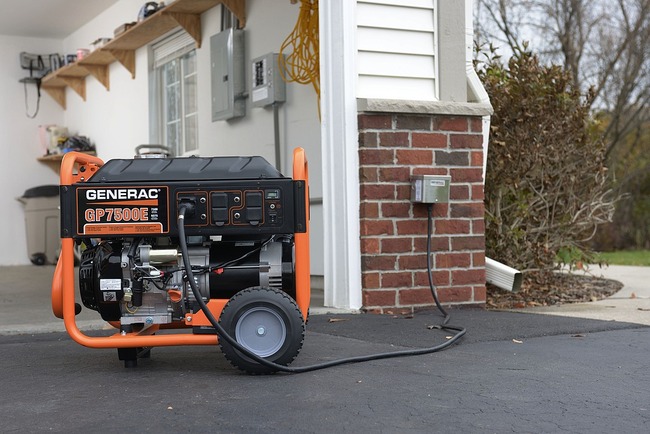
Long vacation has a very specific sound in a Nigerian household. The TV has been on since breakfast, the PS5 tournament has entered extra time, the blender is making zobo again, the AC is battling the July heat, and somewhere underneath it all, the generator is groaning like it wants to file a complaint. For many families, school holidays bring more than extra laughter. They also bring a sharp rise in holiday power consumption. Appliances that normally run only in the evenings are now working all day. Lights stay on longer, phones and tablets are constantly charging, and kitchen appliances get used more often. Suddenly, a generator sized for a typical school-term routine is powering a home that feels like a small business. That extra demand puts real pressure on your power system. Common generator overload signs include louder engine noise, frequent shutdowns, overheating, dimming lights when heavy appliances start, and noticeably higher fuel consumption. Inverters can also struggle, with shorter backup time and constant warning beeps. These are often signs that your equipment needs attention, not necessarily replacement. The good news is that many of these problems are preventable. Avoid running several heavy appliances at the same time, encourage everyone to switch off unused devices, and most importantly, schedule routine servicing before small issues become expensive repairs. A professional load assessment can also confirm whether your generator or inverter is still suitable for your family’s current electricity needs. If your generator sounds like it is working harder than ever or your inverter is struggling to keep up with a house full of children, now is the right time to act. Energymall Services provides professional generator servicing in Lagos and across Nigeria, along with inverter inspections and load assessments. Keeping your power system in good condition protects your appliances, reduces unexpected breakdowns, and helps your family enjoy the holidays without worrying about the next power interruption. Visit service.energymall.ng to book our installation/maintenance services today!
Holiday season changes the rhythm of every Nigerian home. Children are home from school with far more free time, more energy, and an endless curiosity about the world around them. Anyone who has raised a toddler or an adventurous six-year-old knows that the things they are most eager to touch are often the very things adults wish they would ignore. That is why many parents rush to buy plastic socket covers as soon as the holidays begin. Socket covers are a smart first step, but they only address a small part of the actual electrical risks that exist in many homes. The bigger dangers are usually hidden in plain sight. An extension box overloaded with chargers, televisions, fans, and other appliances can become a serious hazard, especially when it is left on the floor within easy reach. Loose cables quickly become toys, and children naturally tug, pull, and explore them. Exposed wiring tucked behind furniture, damaged extension cords that have been “temporarily” kept for months, and old sockets with loose faceplates all present risks that a simple socket cover cannot solve. Many families also overlook their generator or inverter battery area. During the holidays, children have greater freedom to move around the house and compound, increasing the chances that they wander into spaces where electrical equipment is installed. These systems should always be properly secured and inaccessible to curious hands. The truth is that most electrical accidents are preventable. They rarely happen because parents do not care. More often, they happen because the real hazards are not obvious until something goes wrong. Families who have experienced a spark, an electrical shock, or a near miss often become much more cautious afterward. The better approach is to identify those hidden dangers before they become emergencies. This holiday, give your family more than peace of mind. Energymall’s home electrical safety inspection helps identify overloaded circuits, loose sockets, exposed wiring, and other hidden electrical hazards that ordinary childproofing cannot address. A safer home means your children can enjoy their holiday adventures while you enjoy the confidence that your electrical system is working safely behind the scenes. Visit service.energymall.ng to book our maintenance/installation services
When people talk about investment in Nigeria, the conversation usually goes to: Land. Business. Crypto. Side income. But there is one investment that rarely gets proper attention. A functional home. A home that works consistently without drama. No constant electrical issues. No unstable lighting. No internet interruptions. No appliance failures every few months. No emergency repairs every weekend. Just a system that supports daily living. Functionality is not accidental. It is built through planning, installation quality, infrastructure design, and ongoing technical support. And interestingly, it pays back daily. Not yearly. Because every uninterrupted day at home is value. Every working appliance is value. Every stable connection is value. Every quiet night without generator stress is value. This is why more homeowners are now paying attention to proper wiring, backup power systems, smart installations, and technical upgrades. Because a functional home doesn’t just support lifestyle. It protects peace of mind. And in today’s Nigeria, that might be the most valuable investment of all. To look at our installation/backup power systems and services, visit service.energymall.ng
There are problems in Nigerian homes that are so common, people no longer question them. They just adjust. Like: Lights flickering slightly in certain rooms. Sockets that only work if you “position the plug well.” Appliances that reset after power comes back. Fans that slow down randomly. Generators that behave differently depending on mood of the day. Over time, these things become “normal.” But they are not normal. They are symptoms. Symptoms of wiring issues, unstable power flow, poor installations, or overloaded systems. The problem is not always dramatic enough to demand immediate attention. So people live with it. But these small issues are often early warnings of bigger failures waiting to happen. And because they are ignored, they eventually escalate into full breakdowns. That is why routine electrical inspection and proper system setup matters more than emergency repairs. Because most home problems don’t start big. They start small and consistent. Visit service.energymall.ng
The transition toward the smart home hotel in Lagos is no longer a futuristic concept; it is the current standard for premium hospitality. From Lekki to Ikeja, guests now expect seamless automation, ranging from voice-controlled lighting to smart climate systems that welcome them at the perfect temperature. However, the sophisticated nature of these systems means they require more than just a casual “fix-it” approach. In the unique environmental and infrastructural context of Nigeria, proactive upkeep is the difference between a five-star review and a operational nightmare. The Realities of Smart Home Maintenance in Nigeria Operating a high-tech facility in Lagos presents specific challenges that standard global manuals often overlook. Professional smart home maintenance in Nigeria must account for several local factors: Power Fluctuations and Surges: Even with high-end inverters and solar backups, the “dirty power” from the grid can cause micro-damage to sensitive Printed Circuit Boards (PCBs) in smart appliances. Over time, these small surges lead to “ghost” failures where devices stop communicating with the central hub. The Humidity Factor: Lagos is a high-humidity environment. Moisture ingress can cause subtle corrosion on the sensors of smart locks and outdoor CCTV cameras, leading to delayed responses or total lockout for guests. Network Congestion: A hotel with 50+ smart rooms creates a massive internal network load. Without regular professional optimization, “smart” features become “laggy” features, frustrating guests who cannot even turn off a light via their bedside tablet. Preventing Guest Complaints and System Failures In the hospitality sector, a smart system failure is never just a technical glitch; it is a direct hit to your brand reputation. Professional smart home maintenance in Lagos focuses on Predictive Maintenance . Instead of waiting for a smart AC to stop working during a heatwave, professional technicians use diagnostic tools to check refrigerant levels, sensor calibration, and WiFi signal strength. 1. Automated Lighting Calibration Smart lighting systems often lose their “scenes” due to firmware updates or power resets. Professional servicing ensures that “Evening Mode” actually dims the lights as intended, maintaining the luxury ambiance your guests paid for. 2. Health Checks for Smart Appliances Smart refrigerators and laundry units in premium suites have complex electronic components. Regular dust removal from cooling coils and software health checks prevent these expensive assets from burning out prematurely under the Lagos heat. 3. Security Synchronisation The most critical aspect of a smart hotel is the access control system. Professional maintenance ensures that smart locks, motion sensors, and video doorbells are perfectly synced with your property management software, preventing embarrassing entry failures at check-in. The Energymall Advantage: Efficiency Beyond the Gadget At Energymall, we understand that a smart hotel is only as good as its uptime. We don’t just sell the hardware; we provide the technical ecosystem that keeps your facility running. Professional maintenance reduces long-term operational costs by extending the lifespan of your equipment. When your smart systems are calibrated correctly, they consume less energy, putting less strain on your solar batteries and inverters. Investing in a smart home hotel in Lagos is a major capital expenditure. Protecting that investment requires a specialized maintenance partner who understands the Nigerian energy landscape. By prioritizing professional upkeep, you ensure that your technology remains an asset that delights your guests, rather than a liability that disrupts your operations. Ready to future-proof your hospitality business? Contact service.energymall.ng today for a comprehensive audit of your hotel’s smart infrastructure.
Smart home technology is no longer a futuristic concept in Nigeria; it is a functional investment in comfort and energy efficiency. However, many homeowners view a smart home as a “set and forget” system. In reality, the technical lifespan of smart devices is heavily influenced by the Nigerian energy climate characterized by voltage fluctuations, high humidity, and heat. Neglecting the maintenance and repair of these systems does more than just cause a temporary inconvenience. It leads to a compounding financial and technical burden that far exceeds the price of a routine service call. The Technical Reality of Smart Home Lifespans Every component of a smart home —from automated lighting modules to smart distribution boards—has a rated operational life. For instance, high-quality smart switches are typically rated for 100,000 cycles. However, in Nigeria, the “real-world” lifespan is often dictated by external stressors: 1. Voltage Instability: Frequent surges and “brownouts” can degrade the capacitors within smart sensors and actuators. Without voltage protection or timely repair, a single faulty component can cause a communication breakdown across a Zigbee or Z-Wave network. 2. Environmental Degradation: Dust accumulation in smart HVAC controllers or salt-air exposure in coastal areas like Lagos can lead to circuit board corrosion. 3. Firmware Desync: A smart home is a fusion of hardware and software. Neglecting updates or failing to recalibrate sensors after a power failure can lead to “ghost” energy consumption, where devices remain active or “searching” for a signal, drawing unnecessary power. The Financial Impact of Neglect When you bypass a professional home automation repair in Nigeria , you face three specific financial risks: Total System Replacement: Minor faults, such as a localized short circuit in a motorized curtain track, can eventually strain the central hub. Replacing a single motor is affordable; replacing a fried central processor is a significant capital expense. Energy Inefficiency: One of the primary reasons for choosing a home automation installation company is to reduce electricity bills through scheduling and occupancy sensing. A malfunctioning sensor that fails to turn off an AC unit can cost a homeowner thousands of Naira in wasted energy over just one month. Security Vulnerabilities: Smart locks and security cameras are the frontline of modern home defense. Hardware lag or mechanical friction in an automated gate motor—if left unaddressed—compromises the physical security of the premises. Why a Reliable Repair Partner Matters Home automation is an ecosystem, not a collection of isolated gadgets. Diagnostic accuracy is the difference between a quick fix and a botched DIY attempt that voids your warranty. As a dedicated home automation installation company , Energymall emphasizes that “installation” is merely day one. A reliable repair partner understands the specific wiring standards used in Nigerian construction and can distinguish between a software glitch and a hardware failure caused by a neutral wire fault. The Verification Checklist for Homeowners: Regular Calibration: Sensors should be tested every six months to ensure accuracy. Surge Protection: Verify that your automation hub is behind a dedicated surge protector or a pure sine wave inverter system. Professional Audits: Annual technical audits can identify overheating components before they fail. A smart home is an asset that requires stewardship. While the initial investment focuses on the “wow” factor of automation, the long-term value is found in reliability. Prioritizing home automation repair in Nigeria ensures that your system remains an asset rather than a liability. At Energymall, we believe that staying smart means staying maintained. Don’t wait for a total system blackout to realize the importance of technical upkeep. To book more of our installation services, visit service.energymall.ng
In the Nigerian appliance market, a persistent myth suggests that whenever a cooling unit underperforms, it simply needs more refrigerant. This “gas top-up” culture often does more harm than good, especially with modern technology. At Energymall, we see high-end appliances fail prematurely because they were treated with 1990s logic. If you own a smart refrigerator, you aren’t just owning a cooling box; you are owning a sophisticated computer that happens to keep food cold. The Myth of the Universal “Gas Top-Up” The cooling system in a refrigerator is a hermetically sealed loop. Under normal operating conditions, refrigerant does not “finish” or “dry up.” If a unit is low on gas, there is a physical puncture or a leak in the coils that must be brazed and repaired before any gas is added. Simply adding gas without fixing the leak or diagnosing the root cause leads to: Overcharging the system: This puts immense pressure on the compressor, leading to total hardware failure. Oil contamination: Opening the system unnecessarily can introduce moisture, which creates acid inside the pipes. Waste of resources: If there is a leak, the new gas will simply escape again within days. Why Smart Units are Different Modern appliances rely on a network of sensors and a Main Control Board (PCB). When searching for **smart fridge/freezer repair in Nigeria, it is vital to understand that your technician needs a multimeter and diagnostic software more than a charging manifold. 1. Sensor Calibration Smart fridges use thermistors to monitor internal temperatures. If a sensor is faulty, the compressor may not kick in, or it may run indefinitely. This is an electrical issue, not a gas issue. 2. Mainboard Logic The “brain” of your fridge manages defrost cycles, fan speeds, and even the **water dispenser repair near me** queries you might have regarding integrated door systems. A power surge can glitch this board, mimicking the symptoms of a “weak” fridge. 3. Inverter Technology Most high-end units now use Inverter Compressors. Unlike traditional compressors that are either “on” or “off,” these run at variable speeds. Diagnosing an inverter fault requires specialized training in **fridge/freezer servicing in Nigeria to ensure the variable frequency drive is functioning. The Importance of a Professional Fridge/Freezer Installer Near Me Proper care begins at the moment of installation. Many cooling issues stem from poor ventilation or unlevel surfaces that prevent doors from sealing correctly. When you engage a certified **fridge/freezer installer near me**, you ensure that: The unit has the required clearance for heat dissipation. The internal drainage system is angled correctly to prevent ice buildup. The water lines for dispensers and ice makers are pressure-tested to avoid internal flooding. Verification: The Facts of Modern Maintenance According to manufacturer specifications from leading brands like Samsung, LG, and Bosch, the primary causes of cooling failure in tropical climates like Nigeria are: Condenser Coil Grime: Dust and grease buildup prevent heat exchange. Voltage Fluctuation: Fluctuating power damages the sensitive capacitors on the motherboard. Clogged Drainage: Leads to water pooling and sensor “tripping.” None of these common issues are solved by adding refrigerant. In fact, professional **fridge/freezer servicing in Nigeria** focuses on deep-cleaning coils, checking sensor resistance, and verifying voltage stability. — The Energymall Standard At Energymall, we believe in diagnostic-led repairs. We don’t guess; we measure. Whether it is a cooling issue or a complex water dispenser repair near me**, our approach is rooted in technical accuracy and long-term appliance health. Your smart fridge is an investment in your lifestyle and food security. Protect that investment by moving away from “gas” myths and toward professional, data-driven maintenance. Proper servicing doesn’t just fix a problem; it extends the life of your appliance by years. To book any of our installation or maintenance services, visit us at service.energymall.ng