Architecture Is Not Based On Concrete
Industry’s standard dummy text ever since the 1500s, when an unknown printer took a galley of type and scrambled it to make a type specimen book et iusto odio dignissimos…

The five-minute check that could prevent a very bad day. Every August, without fail, electrical incidents spike across Nigerian homes — and it’s rarely because of anything dramatic. It’s usually the small, overlooked stuff: a cable exposed to moisture, a socket near a leaking window, a joint that was never properly insulated. Water and electricity have never gotten along, and rainy season puts that relationship to the test. Outdoor sockets, generator connection points, and any exposed wiring near doors, windows, or roof edges deserve a second look this month. Even hairline cracks in cable insulation can become a real hazard once moisture finds its way in. A few things worth walking around your home or office to check: Are your outdoor cables rated for weather exposure? Is there any visible fraying near high-traffic areas? Are extension cables being left out overnight when it’s likely to rain? These aren’t dramatic questions, but they’re the ones electricians ask first when something’s gone wrong. The good news is that most of this is entirely preventable with the right accessories — properly rated cables, weatherproof socket covers, and quality circuit protection. It’s not about replacing everything in your home; it’s about identifying the two or three weak points that rainy season tends to expose. Think of it as the electrical equivalent of checking your roof for leaks before the rain gets heavy. A little attention now saves a lot of stress later — for your home, your appliances, and your peace of mind. Want a professional eye on your setup before the rains peak? We can help you identify and fix vulnerable points quickly. Visit service.energymall.ng for our maintenance/installation services
Heavy rainfall brings relief from the heat, but it can also expose hidden electrical problems inside homes. During the peak of the rainy season, many homeowners become confused when their prepaid electricity units seem to disappear much faster than usual, even though they are using fewer appliances. At the same time, they may notice damp patches spreading across walls or ceilings. While these two problems may appear unrelated, they can sometimes point to the same hidden electrical fault. When rainwater repeatedly soaks a building, moisture can gradually penetrate cracked walls, poorly sealed roofs, or damaged exterior surfaces. In many older buildings, or properties where electrical installations were not properly protected, this moisture can find its way into electrical conduits, junction boxes, or cable pathways hidden inside the walls. Electricity normally travels through insulated wires. However, when the insulation has deteriorated or become damaged, water can create an unintended path for electricity to escape. Instead of flowing only to appliances, a small amount of current continuously leaks into the surrounding building materials. This leakage is often too small to trip a circuit breaker, yet it is still recorded by prepaid or smart electricity meters as power consumption. Over time, this silent drain can noticeably increase electricity costs. The danger extends beyond higher utility bills. Electrical leakages can energize damp walls, metal window frames, gates, or door handles. Some people describe feeling a slight tingling sensation when touching these surfaces, especially during or after heavy rainfall. Although it may seem minor, it should never be ignored. It is often an early warning sign of a potentially serious electrical fault that could lead to electric shock or even a fire if left unresolved. Professional testing is the safest way to identify these hidden problems. Insulation resistance testing can detect moisture related faults inside walls without unnecessary guesswork. Once located, damaged cables, compromised junction boxes, or deteriorated conduits can be repaired or replaced, and vulnerable entry points can be properly sealed against future water intrusion. At Energymall, our Home Wiring and Electrical Works team helps homeowners identify and resolve hidden electrical leakages before they become costly or dangerous. A timely inspection can protect your family, preserve your property, and stop your electricity from disappearing without explanation. Visit service.energymall.ng to book any of our maintenance/installation services
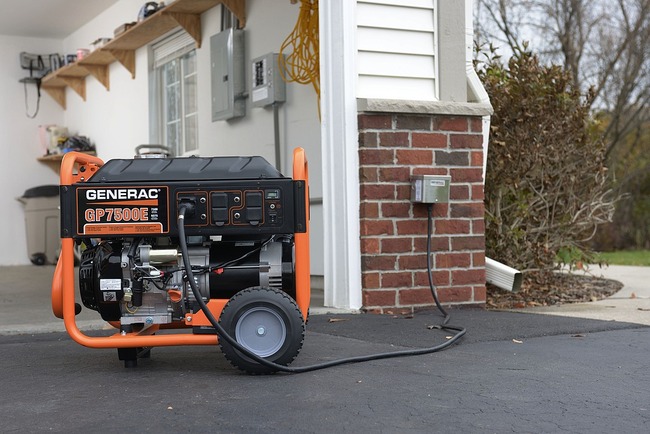
Long vacation has a very specific sound in a Nigerian household. The TV has been on since breakfast, the PS5 tournament has entered extra time, the blender is making zobo again, the AC is battling the July heat, and somewhere underneath it all, the generator is groaning like it wants to file a complaint. For many families, school holidays bring more than extra laughter. They also bring a sharp rise in holiday power consumption. Appliances that normally run only in the evenings are now working all day. Lights stay on longer, phones and tablets are constantly charging, and kitchen appliances get used more often. Suddenly, a generator sized for a typical school-term routine is powering a home that feels like a small business. That extra demand puts real pressure on your power system. Common generator overload signs include louder engine noise, frequent shutdowns, overheating, dimming lights when heavy appliances start, and noticeably higher fuel consumption. Inverters can also struggle, with shorter backup time and constant warning beeps. These are often signs that your equipment needs attention, not necessarily replacement. The good news is that many of these problems are preventable. Avoid running several heavy appliances at the same time, encourage everyone to switch off unused devices, and most importantly, schedule routine servicing before small issues become expensive repairs. A professional load assessment can also confirm whether your generator or inverter is still suitable for your family’s current electricity needs. If your generator sounds like it is working harder than ever or your inverter is struggling to keep up with a house full of children, now is the right time to act. Energymall Services provides professional generator servicing in Lagos and across Nigeria, along with inverter inspections and load assessments. Keeping your power system in good condition protects your appliances, reduces unexpected breakdowns, and helps your family enjoy the holidays without worrying about the next power interruption. Visit service.energymall.ng to book our installation/maintenance services today!
There’s a particular Nigerian humor around how early the “Detty December” conversations begin. By July, someone has already dropped outfit inspiration in the group chat. Someone is asking who is hosting the end of year owambe. Someone else has already announced that December is “couple’s season,” whether everyone is ready or not. It feels like harmless banter, but behind the jokes is a pattern many homeowners and business owners know all too well. December places more pressure on power systems than almost any other time of the year. Homes become busier as relatives visit from different parts of the country. Kitchens work overtime preparing meals for celebrations. Entertainment systems, freezers, lighting, air conditioners, and other appliances stay on for longer hours. Small businesses also experience increased activity, making a reliable electricity supply even more important. A power system that seemed adequate in June can quickly become overwhelmed by December’s demands. The households that enjoy a smooth festive season without worrying about sudden blackouts or generator failures usually have one thing in common. They planned ahead. July and August are some of the best months to assess your current setup because technicians have more flexibility to inspect your electrical system properly, recommend the right inverter or solar capacity, and complete installations without the rush that comes later in the year. Waiting until November often means competing with hundreds of other people trying to upgrade at the same time. Installation schedules become tighter, equipment may be harder to source, and rushed decisions can lead to buying systems that are either undersized or unnecessarily expensive. Planning early gives you enough time to compare options, budget comfortably, and install a solution that truly fits your home’s or business’s energy needs. If you already suspect that your current inverter, generator, or electrical setup may struggle during the festive season, now is the perfect time to act. A professional assessment today can save you unnecessary stress and unexpected expenses later. At Energymall Services, we help homeowners and businesses evaluate their existing power systems and recommend practical upgrades, whether that involves solar, an inverter, a generator, or a complete energy solution. Plan in July, and let December be about making memories instead of managing power problems. Visit service.energymall.ng for more of our installation services
July and August always come with a quiet migration season across Nigeria. The school year has ended, NYSC members are settling into new locations, leases are expiring, and many young professionals and families are moving into new apartments before a new job, business opportunity or academic session begins. House hunting has almost become a culture of its own. There are pictures flying around family and friends’ WhatsApp groups, debates about whether the kitchen has enough sockets, negotiations over repainting, rent reductions and discussions about security and water supply. Yet one of the most important things to inspect is often completely ignored: the electrical wiring behind those freshly painted walls. A beautiful apartment can easily hide an ageing electrical system. Many buildings have received cosmetic renovations over the years while the wiring underneath remains unchanged. What worked twenty or thirty years ago may no longer be suitable for today’s electricity demands. Air conditioners, refrigerators, electric kettles, microwaves, washing machines, televisions, laptops, routers and multiple phone chargers all place a much heavier load on a home’s electrical system than older wiring was originally designed to handle. The warning signs may not appear immediately. Everything may seem perfectly fine during your first few weeks. Then you begin to notice sockets becoming unusually warm, lights flickering whenever another appliance is switched on, circuit breakers tripping repeatedly, or extension boxes multiplying because there are not enough safe outlets. These are not just inconveniences. They can point to overloaded circuits or unsafe wiring that deserves professional attention. An electrical inspection before moving in is simply good due diligence. Just as you test the water pressure, inspect the roof during the rainy season, or ask about power supply and generator arrangements, checking the wiring should be part of your moving checklist. It is a simple step that can prevent expensive repairs, damaged appliances, or serious safety hazards later. Before you settle into your new apartment this relocation season, let Energymall carry out a professional electrical inspection and recommend any necessary wiring upgrades. Your new home should give you peace of mind from the very first day, because the best homes are not only beautiful to look at but also safe to live in. Visit service.energymall.ng for your electric wiring/ installation
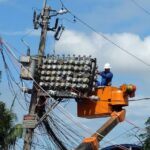
A transformer is one of the most valuable assets in any electrical network. Whether it serves a residential estate, commercial building, factory, or industrial facility, it represents a significant investment. Like any valuable asset, it needs protection. This is where transformer protection devices come in. Many people assume transformers can simply withstand any electrical disturbance. The reality is quite different. Transformers are exposed to numerous threats, including lightning strikes, overloads, short circuits, voltage surges, equipment faults, and environmental conditions. Without adequate protection, even a healthy transformer can fail unexpectedly. One of the most common protection devices used with transformers is the circuit breaker. Circuit breakers automatically disconnect power when abnormal current levels are detected. This prevents excessive heat buildup and equipment damage. Another important protection device is the fuse. Fuses provide a simple but effective way to interrupt fault currents before they reach dangerous levels. Lightning arrestors also play a critical role. During storms, lightning can introduce extremely high voltages into electrical systems. A lightning arrestor safely diverts this energy to the ground, helping to protect the transformer and connected equipment. Grounding systems are equally important. Proper grounding provides a safe path for fault currents and helps stabilize system voltage. Think of transformer protection devices as the safety features in a vehicle. Just as seat belts and airbags help reduce damage during accidents, protection devices help reduce damage during electrical faults. When protection devices are missing, faulty, or improperly maintained, a relatively small electrical disturbance can quickly become a major failure. The consequences may include: -Expensive repairs -Prolonged outages -Equipment damage -Fire hazards -Business interruptions Protecting a transformer is not simply about preserving equipment. It is about maintaining reliable electricity for everyone who depends on it. A well-protected transformer can provide years of dependable service, while an unprotected transformer faces significantly greater risks throughout its operational life. Good protection is not an optional extra. It is a fundamental requirement for safe and reliable power distribution. Visit service.energymall.ng for more of our installation/maintenance services
Few things unite Nigerian households faster than Wi-Fi problems. The moment the internet disappears, accusations begin. ”Who touched the router?” ”Who unplugged something?” ”Did NEPA blink the light again?” While internet providers often get the blame, many connectivity issues actually begin with poor electrical setups. Your Router Needs Stable Power Internet equipment performs best when power remains consistent. Frequent voltage fluctuations affect: -Routers -Modems -Network switches -Smart home devices Even brief interruptions can cause disconnections. Poor Electrical Installations Affect Connectivity Many homes have networking equipment connected through overloaded extensions or unstable power sources. This can result in: -Slow internet speeds -Random disconnections -Reduced Wi-Fi coverage -Device instability Smart Homes Depend on Strong Infrastructure As more Nigerians install: -CCTV systems -Smart lighting -Smart TVs -Voice assistants and automated devices, network reliability becomes increasingly important. Without stable electrical support, smart devices become frustrating rather than convenient. Signs Your Setup Needs Attention You may need professional assessment if: -Internet drops during power fluctuations -CCTV cameras disconnect frequently -Routers restart unexpectedly -Certain rooms have poor coverage -Devices struggle to stay connected Better Networking Starts With Better Planning Reliable connectivity depends on more than buying a new router. It requires: -Proper electrical support -Structured cabling -Quality installations -Stable backup power -Smart device integration A Connected Home Is a More Comfortable Home At Energymall, we help homeowners improve smart home performance through: Structured networking CCTV integration Power backup solutions Electrical troubleshooting Smart home installations Because honestly, buffering during the most important scene of a movie should not be a regular household event. To book our electrical services, visit service.energymall.ng today
Children are naturally curious. And honestly, Nigerian children can investigate anything. One minute the house is quiet. Next thing, somebody is pressing random buttons, touching sockets, or dragging extension cords across the sitting room. That’s why Children’s Day is also a good reminder for parents to pay attention to home electrical safety. Many common electrical accidents at home are preventable. 1. Cover Unused Sockets Open wall sockets can be dangerous for small children. Socket covers are simple but extremely useful, especially for toddlers. 2. Stop Overloading Extension Boxes Children often gather around TVs, game consoles, chargers, and fans. Overloaded extensions can overheat quickly. If one extension box is carrying half the appliances in the house, it’s time to rethink the setup. 3. Keep Wires Out of Reach Loose wires across floors are risky. Children can pull, bite, or trip over them. Proper cable management makes homes safer and neater. 4. Be Careful With Appliances Around Water This is especially important during rainy season. Electrical appliances should stay far from wet areas. 5. Install Proper Outdoor Lighting Children love playing outside in the evenings. Good outdoor lighting improves visibility and safety around compounds and stairways. 6. Teach Basic Electrical Safety Early Simple lessons matter. Teach children: Not to touch exposed wires Not to insert objects into sockets Not to play near electrical panels To report sparks or burning smells immediately A Safer Home Is Better for Everyone. Electrical safety isn’t about fear, It’s about prevention. At Energymall, we help families improve home safety through: -Professional wiring solutions -Child-safe smart lighting setups -Electrical inspections -Surge protection systems -Appliance installation support Because Children’s Day should be about memories, laughter, cartoons, and celebration, not avoidable accidents. To book our services, kindly visit service.energymall.ng
There’s a certain type of Nigerian extension box setup that looks like pure survival. One socket is carrying TV, Decoder, Fan, Router, Phone chargers, Microwave, Sometimes even pressing iron. And somehow, everybody is acting like this arrangement is normal. But overloaded sockets remain one of the most ignored electrical dangers in many homes. Why Overloading Happens So Often Modern homes use far more devices than older electrical systems were designed for. Instead of adding proper electrical outlets, many people rely heavily on extension boxes. Over time, this creates pressure on the system. Signs Your Socket Setup Is Dangerous -Hot extension boxes -Burning smell -Sparks during connection -Flickering devices -Melted plug points -Frequent breaker trips These are not things to ignore. Fire Risks Increase During Rainy Season During colder weather and rainy periods, device usage often increases. People stay indoors longer. Fans, TVs, routers, chargers, and appliances stay connected for extended periods. Weak electrical points become even more vulnerable. Good Electrical Design Improves Safety. Sometimes the solution is not another extension box. It’s better wiring and proper outlet distribution. Professional electrical planning makes homes safer and more functional. Small Changes Prevent Bigger Problems At Energymall, we help improve home electrical safety through: -Wiring upgrades -Socket installations -Electrical inspections -Surge protection support -Troubleshooting services Because honestly, one extension box should not be carrying the emotional burden of the entire house. For our Electrical maintenance/installation services, visit our site at service.energymall.ng
If you live in a Nigerian estate, you already know transformer discussions can become full community meetings. One person is shouting: “Why is the light blinking like this?” Another person is blaming the estate management. Meanwhile somebody has already typed a full paragraph in the WhatsApp group about low current. Transformer problems are one of the biggest electricity frustrations in many Nigerian estates. And while people often adjust and continue managing the situation, constant electrical instability should never be ignored. Common Signs of Transformer Problems Many people think transformer issues only mean complete blackout. But there are earlier warning signs. These include: -Constant tripping -Flickering bulbs -Low voltage supply -Appliances struggling to power on -Generators suddenly carrying unusual load -Frequent electrical fluctuations When these signs happen regularly, they may point to deeper power distribution issues. Why Low Current Is Dangerous for Appliances A lot of Nigerians fear high voltage but low voltage can also damage appliances. When power supply is too weak, appliances like refrigerators, air conditioners, and pumps start working harder than normal. Over time, this extra stress shortens their lifespan. Poor Electrical Planning Makes It Worse. In some estates, electrical demand has increased far beyond what the transformer originally handled. More tenants, More appliances, More air conditioners, More backup systems. But the infrastructure stays the same. This overload can lead to overheating, unstable distribution, and repeated faults. Residents Should Pay Attention Early. Ignoring electrical warning signs usually creates bigger problems later. Small fluctuations today can become major appliance damage tomorrow. Better Power Stability Starts With Smarter Electrical Support. At Energymall, we help homes and estates improve electrical reliability through: -Electrical troubleshooting -Power distribution assessments -Surge protection support -Backup power integration -Wiring upgrades -Technical inspections Because honestly, nobody wants to hear “Please off your AC” every night because the transformer is struggling again. Visit our site service.energymall.ng and book our services today