Architecture Is Not Based On Concrete
Industry’s standard dummy text ever since the 1500s, when an unknown printer took a galley of type and scrambled it to make a type specimen book et iusto odio dignissimos…

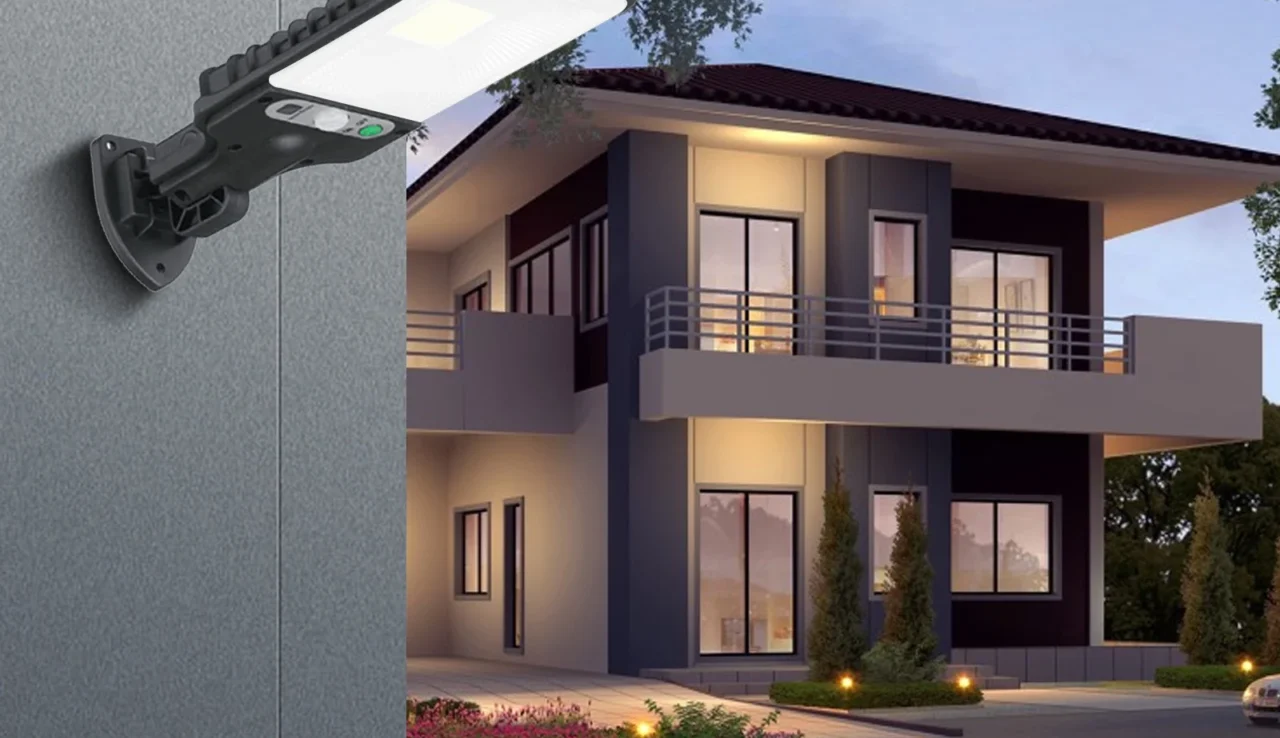
As night falls during the heavy July rains, visibility in many residential estates drops significantly. Streets that are usually easy to navigate become poorly lit, creating dark corners and blind spots that make it difficult for residents, drivers, and security personnel to see clearly. In many communities, ageing halogen floodlights struggle to perform during prolonged rainfall or fail completely after repeated exposure to harsh weather, leaving estates vulnerable when dependable estate security lighting is needed most. This growing concern has prompted many estate associations across Lagos to consider upgrading their lighting infrastructure. In areas such as Lekki, Ajah, Ikeja, and other rapidly developing neighborhoods, reliable outdoor smart lighting installation is becoming an important part of community safety planning. Well illuminated streets discourage suspicious activity, improve visibility for security patrols, and give residents greater confidence when returning home after dark. Modern smart lighting systems provide a more reliable and energy efficient solution than conventional outdoor lighting. They use durable LED security lights enclosed in IP68 weatherproof casings that are designed to withstand heavy rain, humidity, and dust. Motion sensors and photoelectric controls automatically switch the lights on at dusk and increase brightness whenever movement is detected. This ensures that gates, perimeter fences, parking areas, pedestrian walkways, and shared spaces remain clearly visible while reducing unnecessary energy consumption. For even greater reliability, many estates are incorporating solar outdoor lighting into their security infrastructure. Solar powered systems with battery backup continue operating during prolonged grid outages, helping communities maintain visibility even when public electricity is unavailable. When connected through intelligent smart lighting systems, estate managers can monitor multiple lighting points from a central location while security teams receive instant alerts whenever unexpected movement is detected around restricted areas. Investing in weatherproof estate security lighting is more than a visual improvement. It is a practical way to strengthen community security, improve nighttime visibility, and provide residents with greater peace of mind throughout the rainy season. Energymall supports these upgrades through professional outdoor smart lighting installation, intelligent network integration, and dependable backup power solutions designed for long lasting performance in Nigeria’s demanding climate. Visit service.energymall.ng to book our installation/maintenance options today!
Few things are more unsettling than outdoor security lights behaving strangely at night, especially during heavy rainfall. One minute the light is stable. Next minute it starts blinking like it’s sending coded messages. Many Nigerian homeowners experience outdoor lighting problems during rainy season. And most times, the issue is not the bulb itself. Common Causes of Outdoor Lighting Problems 1. Moisture Entering Electrical Connections Poorly sealed outdoor fittings allow water into the system. This affects performance and increases electrical risks. 2. Weak Wiring Connections Outdoor wiring exposed to heat, rain, and environmental stress weakens over time. Loose connections often cause flickering. 3. Poor Quality Installations Some outdoor lighting setups are installed without proper protection materials. Rainy season quickly exposes these weaknesses. 4. Voltage Fluctuations Unstable electricity can affect outdoor lighting performance, especially when surge protection is weak. Outdoor Lighting Is About More Than Aesthetics Good lighting improves: -Security -Visibility -Safety around compounds -Movement during blackouts Properly installed systems also last longer and professional installation makes a difference At Energymall, we help with: -Outdoor lighting installation -Smart lighting solutions -Electrical troubleshooting -Security lighting upgrades -Weather-protected electrical fittings Because security lights should make homes safer not look like they’re auditioning for a horror movie.
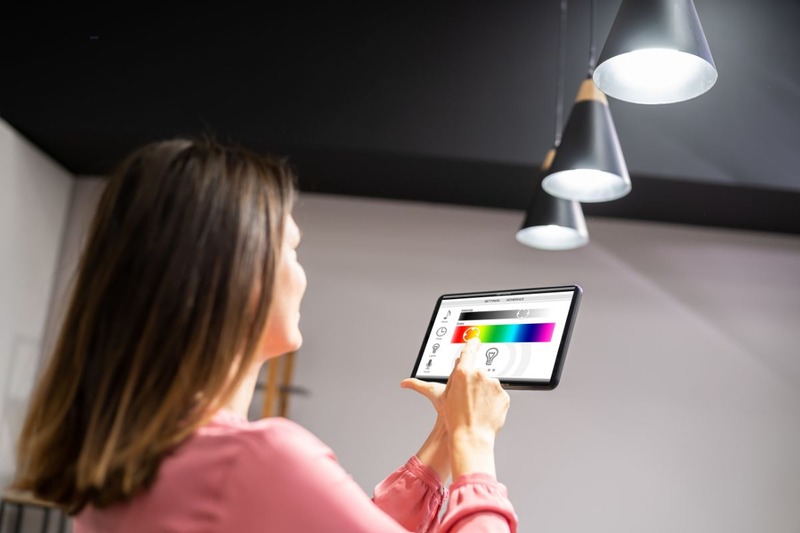
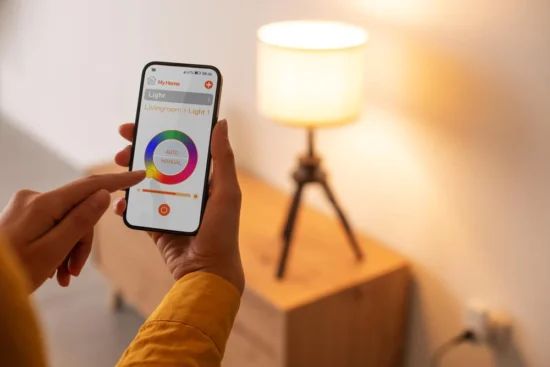
Everybody talks about soft life. Stable Wi-Fi. Remote-controlled lighting. Smart TVs. Automatic gates. Quiet backup power. But the moment electricity disappears, reality enters the chat. That’s why more Nigerians are beginning to rethink how their homes function. Smart homes are no longer just luxury trends. They’re gradually becoming practical solutions for comfort, efficiency, and better daily living. What Makes a Home “Smart”? Smart homes use connected systems that improve convenience and control. Examples include: -Smart lighting -CCTV integration -Remote-controlled appliances -Automated security systems -Structured networking -Smart energy management Why More Nigerians Are Interested -Smart systems help homeowners: -Reduce stress -Improve security -Manage electricity better -Monitor devices remotely -Create more comfortable living spaces Stable Power Is Still the Foundation Even smart homes depend heavily on reliable electrical setups. Without proper wiring and backup power support, smart systems become frustrating quickly. Professional Installation Changes Everything. Good setup improves: -Device performance -Safety -Energy efficiency -Long-term reliability At Energymall, we help homeowners upgrade their spaces through: Smart lighting solutions, CCTV installations, Structured networking, Solar and inverter systems, Electrical upgrades. Because honestly, soft life becomes harder when one extension box is controlling the entire house. Check out our maintenance/installation service options at service.energymall.ng
In the rapidly evolving landscape of Nigerian real estate, the “smart home” is no longer a luxury reserved for the elite. As we push for greater energy efficiency and security in 2026, the question for every homeowner and developer isn’t just about whether to automate, but how to connect. At Energymall, we see firsthand how the right infrastructure choice impacts long-term comfort and electricity savings. The debate between wired and wireless systems often comes down to one factor: when are you starting? The Power of Wired Systems: Stability and Longevity A wired home automation system relies on physical cables (often Cat6 or specialized Bus cables) tucked behind your walls. This infrastructure connects every smart switch, sensor, and appliance to a central hub. The Facts: * Unmatched Reliability: Wired systems are immune to the “Wi-Fi dead zones” common in large Nigerian homes with thick concrete walls. * Security: Physical connections are significantly harder to hack than wireless signals, providing a “fortress” level of data privacy. * Energy Consistency: Devices are powered directly by the building’s electrical system. This eliminates the need for battery replacements in hundreds of sensors, reducing long-term electronic waste. The Reality Check: Wired installation is 30% to 100% more expensive upfront due to labor and material costs. It is best suited for new constructions or major renovations. Attempting to wire a finished home often requires “breaking walls,” which most Nigerian homeowners prefer to avoid. The Wireless Revolution: Flexibility and Speed Wireless systems use protocols like Wi-Fi 6, Zigbee, or Z-Wave to communicate. These are “plug-and-play” solutions that have become the standard for retrofitting existing homes in Lagos, Abuja, and beyond. The Facts: * Cost-Effectiveness: Without the need for extensive cabling or professional masonry, wireless systems offer a much lower entry price. * Scalability: You can start with a single smart inverter-compatible battery monitor and add smart lighting or locks as your budget allows. * Ease of Deployment: Installation takes hours or days rather than weeks. The Reality Check: Wireless systems can face interference from other appliances and depend heavily on your router’s uptime. While modern mesh networking has narrowed the gap, a wireless system is only as strong as your internet and power backup. Comparing the Essentials | Feature | Wired Systems | Wireless Systems | | — | — | — | | Ideal Timing| New Build / Renovation | Existing Home | | Upfront Cost | High (Labor intensive) | Lower (Hardware focused) | | Reliability | 99.9% (Signal stability) | Dependent on Network Strength | | Maintenance | Low (No batteries) | High (Periodic battery swaps) | | Flexibility | Fixed Infrastructure | Highly Adaptable | The Energymall Verdict: Go Hybrid For the modern Nigerian building, we recommend a Hybrid Approach. Use a wired backbone for critical, high-bandwidth infrastructure like security cameras and central HVAC controls. Then, layer in wireless flexibility for smart bulbs, voice assistants, and portable sensors. This ensures your home remains functional even if the Wi-Fi fluctuates, while keeping your installation costs manageable. Ultimately, “better” depends on your building’s current stage. Whether you are laying the first brick or upgrading a decade-old apartment, prioritizing energy-efficient automation is the smartest investment you can make this year. To see more of our available services at Energymall, visit here
As Nigeria shifts toward a tech-forward future, the traditional “four walls and a roof” concept is evolving. In 2026, home automation is no longer a luxury for the elite; it is a strategic response to local challenges like energy management, security, and convenience. At Energymall, we understand that a truly smart home in Nigeria must be resilient, efficient, and tailored to our unique environment. This guide provides the verified facts you need to transition your living space into an intelligent ecosystem. 1. The Foundation: Power and Connectivity Before purchasing gadgets, you must address the two pillars of Nigerian home automation: stable power and reliable internet. * Power Protection: Nigerian homes face frequent voltage fluctuations. High-quality surge protectors and an Uninterruptible Power Supply (UPS) are mandatory to protect sensitive smart circuitry. * Alternative Energy: To ensure 24/7 automation, integrating a solar inverter system is highly recommended. Smart devices lose their “intelligence” the moment the grid fails. * Internet Stability: A minimum speed of 10 Mbps is required for basic setups, while 25 Mbps is the standard for advanced systems involving high-definition security cameras. Use dual-band routers (2.4 GHz and 5 GHz) to prevent network congestion. 2. Essential Smart Components A functional smart home is built in stages. Based on current market trends and reliability, these are the core categories: | Category | Typical Devices | Estimated Cost (Starting) | | — | — | — | | Security | Smart Locks, Video Doorbells, CCTV | ₦150,000+ | | Lighting | Smart Bulbs (Tuya, Philips), Smart Switches | ₦15,000 per unit | | Climate | Smart AC Controllers, Thermostats | ₦45,000+ | | Hubs | Google Nest Hub, Amazon Echo (Alexa) | ₦80,000+ | 3. Step-by-Step Installation Process Audit Your Infrastructure: Check if your current wiring supports smart switches (some require a neutral wire). Choose Your Ecosystem: Select a primary platform like Google Home, Amazon Alexa, or Tuya. Sticking to one ecosystem ensures your devices “talk” to each other seamlessly. Start with the Entryway: Install a smart lock and video doorbell first. These provide the highest immediate value for security. Automate Lighting and Energy: Replace high-traffic area switches with smart versions to schedule “Away Modes,” which save electricity by turning off lights when no motion is detected. Configure Scenarios: Use your app to create “Scenes.” For example, a “Leaving Home” scene can lock all doors, arm the alarm, and turn off the AC with one command. 4. Why Professional Installation Matters While DIY is possible for bulbs and plugs, complex integrations such as motorized curtains or whole-home audio which requires professional expertise. Professional installers ensure that your Cylindrical and Deadbolt smart locks are perfectly aligned and your IoT network is shielded with advanced encryption to prevent hacking. The Energymall Advantage At Energymall, we don’t just sell devices; we build sustainable, automated environments. We prioritize energy efficiency, helping you reduce utility bills by up to 20% through intelligent monitoring.
As safety concerns continue to rise in Nigeria, homeowners and businesses are turning to integrated smart security systems for round-the-clock protection. But for many, the idea of planning and installing such systems can feel overwhelming. The good news? With the right approach, you can build a reliable, connected, and easy-to-manage solution. Here’s a step-by-step guide to help you get started. Step 1: Assess Your Security Needs Before buying any device, identify the specific risks you want to address. Is your goal to prevent burglary, monitor staff, or control visitor access? Do you need indoor, outdoor, or perimeter coverage? What areas are most vulnerable — gates, entrances, storage rooms, or offices? A clear needs assessment prevents overspending and ensures the system fits your lifestyle or business operations. Step 2: Set a Realistic Budget Smart security is an investment, but it doesn’t have to break the bank. Decide how much you’re willing to spend upfront and plan for gradual upgrades. For example, start with CCTV and motion sensors, then add access control and smart alarms later. Step 3: Choose the Right Devices An integrated system works best when devices complement each other. Key components include: CCTV Cameras for real-time monitoring. Motion Sensors for instant alerts. Smart Door Locks & Access Control for secure entry. Alarms & Sirens to deter intruders. Smart Lighting for visibility and deterrence. Smoke & Gas Detectors for safety beyond intrusions. Step 4: Ensure Compatibility Not all devices “speak the same language.” To avoid issues, select products designed for integration or purchase from providers that offer bundled solutions. Compatibility ensures smooth communication between cameras, sensors, and alarms. Step 5: Plan for Connectivity and Power Smart systems rely on internet and electricity. In Nigeria, where outages are common, integration with backup power (inverters, UPS, or solar bundles) is essential. Ensure your Wi-Fi and power infrastructure can support the devices you’re installing. Step 6: Professional Installation and Setup While DIY is possible for some devices, professional installation ensures correct wiring, placement, and system integration. A trained installer can also configure the mobile app or control hub so you can easily monitor everything from one dashboard. Step 7: Test and Train Once installed, test all devices thoroughly. Trigger motion sensors, check camera feeds, and verify alarms. Train family members or staff on how to use the system effectively, including responding to alerts. Step 8: Maintain and Update Like any technology, smart systems need regular maintenance. Update device software, clean camera lenses, and replace worn-out parts. Routine checks guarantee long-term reliabilit
Smart security systems are rapidly transforming how Nigerians protect their homes and businesses. By integrating devices like CCTV cameras, smart locks, alarms, and sensors into a unified platform, users enjoy real-time monitoring, improved control, and enhanced safety. However, while the benefits are clear, integration comes with its own set of challenges. Understanding these issues — and how to overcome them — is key to building a truly effective and reliable security solution. 1. Compatibility Issues The challenge: Not all security devices are designed to work together. Mixing different brands or outdated models often results in systems that fail to communicate seamlessly. The solution: Invest in devices built with open standards and choose a trusted provider who understands integration. Bundling products from reliable vendors, like Energymall’s curated solutions, reduces the risk of mismatched systems. 2. High Upfront Costs The challenge: The initial investment for a complete smart security setup can feel overwhelming, especially for small businesses or homeowners. The solution: Think of integration as a long-term investment. Start with the essentials — such as cameras and motion sensors — and gradually expand. Financing options, warranties, and energy-efficient devices also reduce long-term costs. 3. Technical Complexity The challenge: Setting up and managing multiple devices, apps, and platforms can be confusing for users who aren’t tech-savvy. The solution: Use a central hub or mobile app that unifies all devices into a single interface. Choose vendors that provide installation support, training, and after-sales service to simplify the process. 4. Cybersecurity Risks The challenge: As systems become connected, they are vulnerable to hacking and unauthorized access. Weak passwords or unsecured networks create loopholes for attackers. The solution: Always update device firmware, use strong passwords, and enable two-factor authentication. Partnering with trusted providers ensures data is encrypted and systems are regularly patched. 5. Power Supply Dependence The challenge: Nigeria’s erratic power supply can disrupt smart security operations, especially for internet-dependent systems. The solution: Integrate your security with backup power solutions — such as inverters, UPS, or solar bundles. This ensures 24/7 functionality regardless of NEPA outages. Final Thoughts While integrating smart security systems may come with challenges, each one has a practical solution. By addressing compatibility, cost, technical complexity, cybersecurity, and power concerns, Nigerian homes and businesses can unlock the full potential of smart security. At Energymall, we don’t just sell products we deliver integrated solutions that keep your spaces safe, efficient, and always powered.
In Nigeria today, security is one of the top concerns for families, entrepreneurs, and organizations. With rising cases of burglary, vandalism, and workplace risks, the demand for smarter, more reliable protection is stronger than ever. Traditional measures like locks, gates, or even manual guards are no longer enough. The future lies in integrated smart security systems — solutions that combine technology, connectivity, and automation to deliver unmatched safety. 1. Real-Time Monitoring and Control With CCTV cameras, motion sensors, and access systems integrated into one platform, homeowners and business managers can monitor activities in real time, right from their smartphones or computers. Whether you’re at home, in the office, or abroad, you remain in full control of your environment. 2. Improved Deterrence and Faster Response Smart security systems don’t just record — they react. Motion detectors can trigger alarms, send instant notifications, and even turn on floodlights when suspicious activity occurs. This quick response both scares off intruders and gives you the chance to act fast. 3. Enhanced Access Control For businesses, especially in urban centers like Lagos and Abuja, controlling who enters sensitive areas is critical. Integrated systems allow for biometric or card-based access, reducing the risk of unauthorized entry and increasing accountability within the workplace. 4. Peace of Mind for Families Parents can check in on their children, track arrivals and departures, and rest assured that their loved ones are safe. Smart doorbells and remote viewing make it possible to see and communicate with visitors before granting access. 5. Cost-Effectiveness Over Time While the initial investment in smart security systems may seem high, it saves money in the long run by reducing losses from theft, lowering insurance premiums, and cutting down the need for excessive manual security staff. 6. Seamless Integration with Other Smart Solutions One of the greatest advantages of integrated systems is their compatibility with other smart technologies. For instance, your security system can connect with energy solutions, enabling lights and alarms to work alongside solar power systems for reliable, round-the-clock protection. In a country where safety challenges remain real, integrating smart security systems is no longer a luxury it’s a necessity. For Nigerian homes and businesses, these systems provide not just protection but also convenience, accountability, and long-term savings. At Energymall, we’re committed to powering your spaces and securing your future with reliable, modern solutions designed for Nigeria’s unique environment.