Service by Energymall

The Essential Checklist for Routine Electrical Maintenance and Installation

  For facility managers and corporate decision-makers, electrical infrastructure is the silent heartbeat of operations. In the Nigerian business environment, where power fluctuations and environmental factors pose constant challenges, the transition from reactive “fixing” to proactive electrical maintenance is a strategic move that protects both your bottom line and your equipment. At Energymall, we prioritize the longevity of your assets. This guide outlines the verified standards for maintaining a robust electrical system.   1. The Value of Proactive Electrical Maintenance Reactive maintenance (waiting for a failure to occur) often results in downtime, high emergency repair costs, and potential safety hazards. A scheduled maintenance plan ensures: * Appliance Safety: Prevents voltage spikes from damaging sensitive office equipment. * Operational Continuity: Reduces the risk of unexpected power outages during peak hours. * Cost Efficiency: Identifies minor wire degradations before they require a full system overhaul.   2. Professional Installation Standards The foundation of a safe facility begins with professional electrical maintenance and installation . Verified installation practices must adhere to the following: Load Balancing An electrician in Nigeria must ensure that the total electrical load is distributed evenly across all phases. Imbalanced phases lead to overheating in neutral conductors and can cause premature motor failure in industrial air conditioning units. Proper Earthing and Bonding A verified earthing system provides a low-resistance path for fault currents. In Nigeria, soil resistivity can vary; therefore, regular testing of earth pits is essential to ensure the resistance remains within the safe limit (typically below 2 ohms for most commercial applications).     3. Routine Maintenance Checklist To maintain a high-functioning environment, your electrical maintenance company should perform the following checks at regular intervals: Quarterly Visual Inspections * Check for signs of thermal damage (discoloration) on circuit breakers. * Inspect distribution boards for dust accumulation or moisture ingress. * Verify that all labeling is clear and accurate for emergency isolation. Semi-Annual Infrared Thermography Using thermal imaging allows technicians to identify “hot spots” in panels without interrupting the power supply. These hot spots often indicate loose connections or overloaded circuits that are invisible to the naked eye. Annual Switchgear and Control Testing Mechanical components in switchgear can stiffen over time. Annual cycling and lubrication ensure that breakers will actually trip when a fault occurs, preventing catastrophic fires.   4. Selecting a Qualified Partner The complexity of modern corporate infrastructure requires more than a casual repairman. When searching for an electrician in Nigeria , verify their credentials and their understanding of the Nigerian Electrical Services Management Agency (NEMSA) standards. A reputable electrical maintenance company will provide a detailed report after every visit, documenting: 1. Current voltage and amperage readings per phase. 2. Continuity and insulation resistance test results. 3. Recommendations for upcoming component replacements based on wear.     Electrical systems do not “self-heal.” Small issues like a flickering light or a warm plug socket are data points indicating a brewing system failure. By implementing a rigorous checklist and partnering with professionals who understand the local grid’s nuances, facility managers can ensure their infrastructure remains an asset rather than a liability. Energymall remains committed to providing the technical expertise and high-quality components necessary to power Nigerian businesses safely and efficiently. To book any of our installation/maintenance services, visit Service.energymall.ng

Earthing Kit

Why Earthing is Non-Negotiable for the Nigerian Home and Business

  In the Nigerian electrical landscape, the conversation often centers on “light” (availability) and voltage stability. However, at Energymall, we recognize a silent, often overlooked hero of electrical safety: Earthing, also known as Grounding. Earthing is the process of creating a low-resistance path for electrical current to flow into the earth during a fault. Given the unique challenges of the Nigerian power grid and our tropical climate, earthing is not a luxury or an optional add-on. It is a fundamental necessity for survival and equipment longevity.   1. Protection Against Lightning Strikes Nigeria, particularly in the southern regions, experiences high frequencies of thunderstorms. Without a functional earthing system, a lightning strike on or near your building has no “escape route.” The massive surge of energy will instead travel through your internal wiring, leading to catastrophic fires or the instant destruction of expensive appliances. A dedicated **Lightning Protection System (LPS)** integrated with a solid earth pit ensures this atmospheric energy is safely discharged into the ground. 2. Safeguarding Against “Floating Neutrals” One of the most common technical issues in Nigerian neighborhoods is the “floating neutral.” This occurs when the neutral wire from the transformer is weak or disconnected. When this happens, the voltage in your home can fluctuate wildly, sometimes spiking to **400V** or more on a single-phase line. Proper earthing helps stabilize this voltage and provides a reference point for your electrical system, preventing your electronics from being “fried” by these imbalances. 3. Human Safety: Preventing Lethal Shocks Have you ever felt a “tingle” or a sharp shock when touching the casing of your refrigerator, washing machine, or microwave? That is a clear sign of poor earthing. The Science: When an internal wire touches the metal casing of an appliance, the casing becomes “live.” The Result: Without an earth wire to pull that current away, **you** become the path to the ground when you touch it. The Solution: A robust earthing system ensures that the moment a fault occurs, the current flows to the earth, triggering your circuit breaker or RCD (Residual Current Device) to trip and cut off the power.   The Facts: Verifying Your Earthing System At Energymall we don’t guess, we measure. To ensure your building is truly safe, the following technical standards must be met: Earth Resistance Value: According to the Nigerian Electricity Regulatory Commission (NERC) and international standards (IEEE), the ideal earth resistance should be **below 5 Ohms**. For sensitive data centers or industrial hubs, we aim for less than 1 Ohm. The Soil Factor: Nigeria’s soil varies. Sandy soils in coastal areas like Lagos or rocky terrains in Abuja have different conductivity levels. This requires specialized treatments like **Earth Enhancement Compounds** to maintain low resistance. Copper Purity: Many local installations fail because of “copper-coated” iron rods that corrode within months. We verify the use of high-purity copper electrodes to ensure a lifespan of over 20 years.   Conclusion: Don’t Wait for a Disaster Earthing is the foundation of electrical integrity. It protects your family from electrocution, your business from fire, and your investments from power surges. At Energymall, we specialize in professional earth pit installations, soil resistivity tests, and comprehensive audits of your building’s safety systems. To book an installation or any of our maintenance solutions, visit our site at Service.energymall.ng

Electrical installation

Types of Electrical Wiring Systems Used in Nigerian Buildings — Pros and Cons

Electrical wiring is the hidden framework that powers every building. In Nigeria, the choice of wiring system affects not just the building’s safety, but also its durability, aesthetics, and maintenance cost. The right system depends on the type of building, its purpose, and the budget. Below are the main electrical wiring systems used in Nigerian homes, offices, and commercial buildings — with their pros and cons. 1. Surface Wiring This involves running insulated cables along the surface of walls or ceilings, usually secured with clips or inside plastic trunking. Pros: •Easy to install and modify. •Low installation cost. •Faults are easy to locate and repair. Cons: •Less aesthetically pleasing compared to concealed systems. •More prone to mechanical damage. •Requires regular cleaning to maintain appearance. Best Use: Temporary installations, workshops, or low-budget projects. 2. Conduit Wiring (PVC or Metal) Cables are drawn through rigid PVC or metal pipes (conduits) that are embedded in walls or mounted on surfaces. This is the most popular system in modern Nigerian buildings. Pros: •Offers strong protection against rodents, moisture, and physical damage. •Provides a neat and concealed finish. •Long-lasting when installed correctly. Cons: •Higher cost and longer installation time. •Repairs can be difficult since cables are concealed. Best Use: Residential homes, offices, and commercial buildings that prioritize safety and aesthetics. 3. Casing and Capping Wiring Here, insulated wires are laid inside wooden or PVC casings and covered with matching caps. This was common in older Nigerian homes. Pros: •Inexpensive and relatively easy to install. •Wires are protected from direct handling. Cons: •Outdated and less durable than conduit wiring. •Vulnerable to termite or moisture damage if wooden casing is used. Best Use: Rarely recommended today; sometimes seen in budget retrofits. 4. Armoured Cable Wiring (SWA) Steel Wire Armoured (SWA) cables have a protective metal layer and are often laid underground or in exposed outdoor areas. Pros: •Extremely durable and resistant to mechanical damage. •Suitable for harsh weather and heavy-duty applications. •Reduces risk of rodent damage. Cons: •More expensive than standard PVC-insulated cables. •Heavier and more difficult to install. Best Use: Outdoor supply lines, industrial facilities, and underground feeds from meters to distribution boards. 5. Trunking Wiring This involves placing cables in enclosed PVC or metal trunking that can be opened for maintenance. Commonly used in offices and commercial spaces. Pros: •Allows easy addition or removal of cables. •Neat and professional appearance. •Protects wires from mechanical damage. Cons: •Higher cost compared to basic surface wiring. •Limited flexibility in some building layouts. Best Use: Office complexes, data centres, and spaces requiring frequent layout changes. In Nigeria, PVC conduit wiring remains the most balanced choice for homes due to its combination of safety, durability, and aesthetics. For outdoor or industrial applications, armoured cables are preferred. While cost is an important factor, safety and compliance with Nigerian Electricity Supply and Installation Standards (NESIS) should always come first.

Electrical installation

Safety Rules for Electrical Wiring in Nigerian Homes and Offices

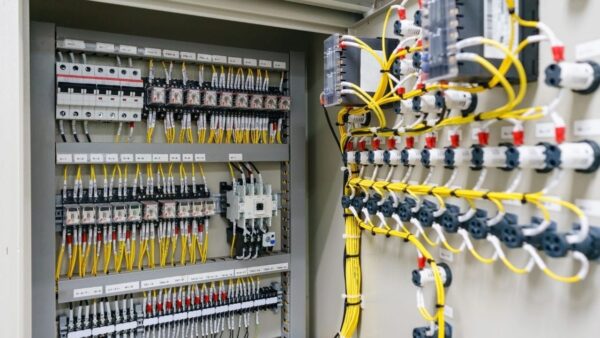
Electrical wiring is the backbone of modern living, powering everything from household appliances to office equipment. In Nigeria, where power supply can be unstable and infrastructure sometimes outdated, adhering to strict safety rules is essential to prevent electrical fires, equipment damage, and life-threatening accidents. Whether in a residential building or a commercial office, safe wiring practices are not optional — they are a necessity. 1. Always Switch Off the Power Supply Before Work Before carrying out any electrical installation or repair, the first step is to switch off the mains supply. This prevents accidental electrocution and ensures the electrician can work without the risk of live current. For extra safety, lock the switchboard or tag it with a “Do Not Switch On” warning until the work is complete. 2. Use the Correct Cable Sizes One of the most common causes of electrical fires in Nigeria is the use of undersized cables that overheat under load. The cable size must match the intended load capacity: •Lighting circuits: 1.5mm² copper cables •Socket outlets: 2.5mm² copper cables •Heavy appliances (e.g., air conditioners, water heaters): 4mm²–6mm² cables Always choose 100% copper cables from trusted brands like Coleman, Cutix, or Nigerchin to ensure durability and conductivity. 3. Install Proper Circuit Protection Devices A safe wiring system is incomplete without: •MCBs (Miniature Circuit Breakers) – Automatically trip when there is excess current. •RCCBs (Residual Current Circuit Breakers) – Protect against electric shocks by detecting leakage currents. •Surge Protectors – Safeguard appliances from voltage spikes caused by lightning or grid fluctuations. These devices must be installed inside a quality distribution board and tested regularly. 4. Follow Nigerian Electrical Standards The Nigerian Electricity Supply and Installation Standards (NESIS) provide guidelines for safe electrical installations. These standards cover cable routing, grounding, spacing of sockets, and the type of materials permitted. Hiring electricians who follow these codes ensures compliance and reduces hazards. 5. Avoid Overloading Sockets Plugging too many high-power appliances into a single socket can cause overheating and eventually lead to fires. Best Practices: •Use power extension boards with overload protection. •Distribute appliances across multiple circuits. •Never connect multiple extensions in a chain (“daisy-chaining”). 6. Ensure Proper Earthing (Grounding) Earthing provides a safe path for excess current to flow into the ground, preventing shocks and equipment damage. All metal parts of electrical installations — such as distribution boards, water heaters, and air conditioners — should be properly earthed. 7. Use Conduit Wiring for Protection In Nigerian homes and offices, PVC conduit wiring is the most common and safest method for protecting cables from rodents, moisture, and mechanical damage. Metal conduits may be used in industrial or high-risk environments for added durability. 8. Keep Electrical Installations Dry and Accessible Electric wiring should never be exposed to water or damp areas unless the cables and fittings are waterproof-rated. Junction boxes, distribution boards, and switches should be positioned away from moisture and easily accessible for inspection and maintenance. 9. Label and Organize Circuits Each circuit in a home or office should be clearly labelled on the distribution board. This makes it easier to isolate faulty circuits without shutting down the entire building’s power supply. 10. Schedule Regular Electrical Inspections Even the best wiring installations can degrade over time. Scheduling professional inspections every 12–18 months ensures early detection of loose connections, worn cables, or faulty protection devices. Offices with heavy electrical loads may require more frequent checks. Extra Safety Tips for Offices •Separate power wiring from data/communication cables to avoid interference. •Use trunking systems for a neat, organized, and safe finish. •Ensure all sockets are at an accessible height and placed strategically to reduce the use of long extension cords. Safe electrical wiring is a combination of quality materials, professional workmanship, and consistent maintenance. In Nigeria’s challenging power environment, cutting corners can have deadly consequences. Whether wiring a new home or upgrading an office, always prioritize safety over cost savings. A properly installed, well-maintained electrical system not only protects lives and property but also ensures that appliances and equipment operate efficiently for years to come.

Electrical installation

How to Hire a Qualified Electrician in Nigeria: Certifications, Questions to Ask, and Red Flags

Hiring an electrician in Nigeria is not just about finding someone who can “connect wires.” A qualified electrician ensures your electrical system is safe, efficient, and compliant with Nigerian regulations. Choosing the wrong person can lead to costly mistakes, fire hazards, or even life-threatening accidents. This guide covers the necessary certifications, key questions to ask, and warning signs to avoid when hiring an electrician in Nigeria. 1. Required Qualifications and Certifications Not all electricians in Nigeria have formal training, but the most reliable ones do. Look out for these credentials: •Trade Test Certificates (I, II, III) – Issued by the Federal Ministry of Labour, these certify technical competence in electrical installation and maintenance. •Technical College/Polytechnic Diploma/University degree– A Bachelor in Science (BSc) or National Diploma (ND) or Higher National Diploma (HND) in Electrical Installation or Electrical/Electronic Engineering indicates formal training. •Apprenticeship Completion Certificate – Some electricians are trained under established masters and issued certificates of completion. •Membership in Professional Bodies – For example, the Nigerian Institution of Electrical Engineers (NIEEE) or the Council for the Regulation of Engineering in Nigeria (COREN) for engineers. While smaller residential projects may not require COREN-registered engineers, complex commercial or industrial works often do. 2. Questions to Ask Before Hiring The interview process is as important as checking documents. Here are essential questions: 1.“Can you show proof of your certifications?” – A genuine professional will gladly provide copies or photos. 2.“Do you have references from previous clients?” – Contact at least two past clients to verify quality and reliability. 3.“What brands of cables and fittings do you recommend?” – Professionals tend to prefer trusted Nigerian brands like Coleman, Cutix, and Nigerchin for durability. 4.“Do you follow Nigerian Electrical Standards (NESIS)?” – This ensures compliance with safety codes. 5.“Will you provide a written quotation and scope of work?” – Helps avoid misunderstandings and unexpected charges. 6.“Do you offer a warranty on your work?” – Reliable electricians often guarantee their work for a set period. 3. Red Flags to Watch Out For Even if someone calls themselves an electrician, certain behaviours suggest you should walk away: •Refusal to provide documentation – Avoid anyone who dismisses the need for certification proof. •Overemphasis on low prices – Extremely cheap rates often mean low-quality materials or unsafe shortcuts. •Recommending aluminum cables for cost savings – Aluminum has higher resistance and is more prone to overheating compared to copper. •Poor communication or impatience with your questions – A true professional should be willing to explain their process. •No protective gear on site – Electricians should use gloves, insulated tools, and safety footwear. 4. Cost Considerations Qualified electricians usually charge more than untrained handymen, but the cost reflects expertise, safety, and quality. For example, wiring labour for a standard three-bedroom flat in Nigeria can cost ₦150,000–₦300,000 depending on complexity and location. Paying more upfront can save you from costly repairs or dangerous faults later. 5. Final Tips for Hiring •Get at least three quotations to compare pricing and materials. •Sign a simple contract detailing work scope, timelines, payment schedule, and safety compliance. •Inspect materials before installation to ensure they match what was quoted. Hiring a qualified electrician in Nigeria requires due diligence. Always check certifications, ask the right questions, and be alert to red flags. Cutting corners in this process can lead to unsafe installations, equipment damage, and even life-threatening accidents. When it comes to electrical work, competence is an investment, not an expense — and your safety depends on it.

Electrical-Installation

Wiring Types Used in Nigerian Homes: Which Is Best for Safety and Durability?

Electrical wiring in Nigeria must withstand high temperatures, fluctuating voltage, and sometimes humid conditions. Choosing the right wiring type impacts both safety and long-term reliability. 1. Common Wiring Types •PVC-Insulated Copper Wires: The most widely used. Brands like Coleman and Cutix offer good heat resistance and durability. •Armoured Cables (SWA – Steel Wire Armoured): Suitable for underground or outdoor installations; provides extra protection against rodents and mechanical damage. •Flexible Cables: Used for appliances and temporary wiring; not ideal for fixed installations. •Heat-Resistant Silicone Cables: Best for areas near heat sources like kitchens or industrial sites. •Low-Smoke Zero Halogen (LSZH) Cables: Safer in case of fire, producing less toxic smoke. 2. Best Choice for Nigerian Homes For most residential applications: •PVC-insulated copper cables for lighting and socket circuits inside conduits. •Armoured cables for main supply from meter to distribution board. 3. Safety Considerations •Always ensure cables are 100% copper — aluminum conductors have higher resistance and overheat faster. •Use the correct cable size for each circuit: •Lighting: 1.5mm² •Sockets: 2.5mm² •High-power appliances (AC, water heater): 4mm² – 6mm². 4. Durability Tips •Avoid exposure to direct sunlight unless UV-protected. •Keep away from moisture unless waterproof rated. •Invest in quality brands with a proven track record.

Electrical-Installation

Cost of Electrical Installation in Nigeria: 2025 Price Breakdown for Materials and Labor

Electrical installation costs in Nigeria vary widely based on the type of building, its size, and the quality of materials used. In 2025, inflation, exchange rates, and rising demand for copper cables have pushed prices higher, making budgeting essential for homeowners and contractors. 1. Materials Electrical materials usually account for 60–70% of total installation costs. Common components include: •Cables and Wiring: High-quality brands like Coleman, Nigerchin, and Cutix cost ₦450–₦750 per metre for 2.5mm² twin and earth cables, while 4mm² cables for high-power circuits range from ₦900–₦1,300 per metre. •Switches and Sockets: From budget types at ₦1,500–₦2,000 per unit to premium Schneider or ABB models at ₦5,000–₦10,000. •Distribution Boards (DBs): ₦25,000–₦60,000 depending on capacity and brand. •Conduits and Accessories: 20mm or 25mm PVC conduits cost ₦350–₦600 per length. •Lighting Fixtures: Basic LED bulbs cost ₦1,500–₦2,500; designer fittings start at ₦10,000+. Estimated Material Cost for a 3-Bedroom Flat: ₦1.8 million – ₦2.5 million (mid-range quality). 2. Labor Labor costs depend on the project complexity and electrician’s expertise: •Wiring labor: ₦150,000 – ₦300,000 for a 3-bedroom flat. •Installation of lighting/sockets: ₦500–₦1,500 per point. •Testing and commissioning: ₦30,000–₦50,000. 3. Factors Influencing Cost •Building size and design complexity •Choice between surface and conduit wiring •Brand and quality of materials •Location (urban vs. rural labor rates) 4. 2025 Price Summary Item Price Range Wiring cables (per metre) ₦450 – ₦1,300 Switch/socket (per unit) ₦1,500 – ₦10,000 DB (distribution board) ₦25,000 – ₦60,000 Conduits (per length) ₦350 – ₦600 Labor (3-bedroom) ₦150k – ₦300k

Electrical installation

The Basics of Electrical Installation: What Every Homeowner Should Know

Electrical installation is one of the most important parts of building or renovating a home. A well-planned and properly executed electrical system not only powers your appliances and gadgets but also ensures the safety and comfort of everyone in the house. Unfortunately, many homeowners in Nigeria overlook key aspects of electrical work until problems — and sometimes accidents — occur. Whether you’re setting up a new home or upgrading your existing wiring, here’s what you need to know. 1. Understand the Scope of Electrical Installation Electrical installation isn’t just about running wires and connecting sockets. It includes: Power distribution (from the main supply to your home’s circuits) Wiring and cabling (choosing the right size and type of cable) Switches, sockets, and outlets placement Lighting systems Circuit protection devices like fuses, circuit breakers, and RCCBs Earthing systems to prevent electric shocks Connection of major appliances like ACs, freezers, pumps, and water heaters 2. Work With a Certified Electrician In Nigeria, too many homeowners opt for “any available technician” to save money — only to face hazards later. Always hire a certified, experienced electrician who understands the Nigerian Electrical Code of Practice and safety standards. ✅ Ask for references and past project photos. ✅ Ensure they understand modern protective devices like RCCBs and surge protectors. ✅ Verify they use quality brands for wires, breakers, and fittings. 3. Prioritize Safety Over Cost Cheap materials and shortcuts can be deadly. Some of the most common risks from poor installations include: Electrical fires from overloaded circuits Damage to appliances from power surges Electrocution from exposed wires or poor earthing 💡 Pro Tip: Invest in circuit breakers, surge protectors, and proper earthing — they are lifesavers. 4. Plan for the Future Your electrical needs today may not be the same in 5 years. Plan for: Extra sockets in key areas (kitchen, living room, workspaces) Dedicated circuits for heavy appliances like AC units, water heaters, and electric ovens Smart home integration if you plan to add automation later 5. Understand Load Capacity Every home’s electrical system has a maximum load it can handle. Overloading it can cause overheating, tripping, and damage. Your electrician should: Calculate your total wattage requirement Distribute loads across multiple circuits Recommend the right cable sizes for each connection 6. Use Quality Materials For long-lasting, safe installations, insist on: Copper wiring instead of cheaper aluminum wiring Well-rated switches and sockets (avoid unknown brands) Proper cable insulation for Nigerian weather conditions 7. Schedule Routine Inspections Your home’s electrical system should be checked every 1–3 years to spot and fix issues early. This is especially important if: You live in an older house You’ve recently added more appliances You’ve had repeated breaker trips or flickering lights Electrical installation is not a DIY project for most homeowners. It requires professional skills, strict adherence to safety standards, and high-quality materials. By understanding the basics and working with certified electricians, you can protect your home, your family, and your investments. If you’re looking for reliable electrical installation services in Nigeria, Energymall offers professional wiring, appliance install

solar maintenance

Hiring the Right Electrician in Nigeria: A Guide to Safe and Efficient Wiring and Maintenance

  When it comes to electrical work in your home or business, hiring the right electrician is crucial. A qualified electrician can ensure that your electrical system is safe, efficient, and compliant with Nigerian regulations. But with so many electricians in Nigeria, how do you choose the right one? What to Look for in an Electrician When hiring an electrician in Nigeria, there are several factors to consider. Here are some key things to look for: – Qualifications and Certifications: Ensure that the electrician has the necessary qualifications and certifications to perform electrical work in Nigeria. – Experience: Look for an electrician with experience in handling similar projects or jobs. – Reputation: Check online reviews, ask for referrals, and assess the electrician’s reputation in the industry. – Insurance and Liability: Ensure that the electrician has the necessary insurance coverage to protect you and your property in case of accidents or damages. – Communication and Customer Service: Look for an electrician who communicates clearly, listens to your needs, and provides excellent customer service. Wiring and Maintenance Jobs When it comes to wiring and maintenance jobs, it’s essential to hire an electrician who has the necessary expertise and experience. Here are some specific things to look for: – Wiring: Ensure that the electrician has experience with wiring installations, repairs, and upgrades. – Maintenance: Look for an electrician who can perform routine maintenance tasks, such as inspecting electrical systems, identifying potential issues, and providing recommendations for repairs or upgrades. – Troubleshooting: Ensure that the electrician has the necessary skills and experience to troubleshoot electrical issues and provide effective solutions. Benefits of Hiring a Qualified Electrician Hiring a qualified electrician in Nigeria can provide several benefits, including: – Safety: A qualified electrician can ensure that your electrical system is safe and compliant with Nigerian regulations, reducing the risk of electrical shocks, fires, and other hazards. – Efficiency: A qualified electrician can optimize your electrical system to improve efficiency and reduce energy consumption. – Cost Savings: By hiring a qualified electrician, you can avoid costly repairs and replacements down the line. – Peace of Mind: Knowing that your electrical system is safe and efficient can provide peace of mind and reduce stress.

Electrical-Installation

Common Electrical Faults in Nigerian Homes—and How to Fix or Prevent Them

  Electrical faults are a common issue in many Nigerian homes, posing significant safety risks and potentially leading to electrical fires, shocks, and even fatalities. Understanding the causes and solutions to these faults is crucial for homeowners to ensure their safety and the efficiency of their electrical systems. 1. Power Outages Power outages are a frequent occurrence in Nigeria, often caused by grid failures, overloaded circuits, or faulty wiring. To address this issue: – Check if your neighbors are also affected to determine if the problem is with the grid or your home’s electrical system. – Inspect your electrical system for signs of damage or wear. – Consider hiring a professional electrician to assess and repair any issues. 2. Flickering or Dimming Lights Flickering or dimming lights can be caused by loose connections, overloaded circuits, or faulty wiring. To fix this: – Check for loose light bulbs and tighten them if necessary. – Ensure that your electrical panel can handle the power demands of your home. – Consider upgrading to a higher amperage panel if necessary ¹ ². 3. Dead Outlets Dead outlets can be caused by tripped circuit breakers, faulty wiring, or loose connections. To troubleshoot: – Check your circuit breaker panel and reset any tripped breakers. – Inspect the outlet for signs of damage or wear. – Consider hiring a professional electrician to repair or replace the outlet. 4. Overheating Outlets and Switches Overheating outlets and switches can be a fire hazard, often caused by loose connections or overloaded circuits. To prevent this: – Stop using the outlet immediately and unplug all devices. – Check for signs of scorching or loose connections. – Hire a professional electrician to inspect and repair the outlet or switch ¹ ². 5. Short Circuits Short circuits occur when a hot wire touches a neutral or ground wire, causing a surge of electricity. To fix this: – Identify the cause of the short circuit and repair or replace the faulty wiring. – Ensure that your electrical system is properly grounded. – Hire a professional electrician if you’re unsure about how to fix the issue. 6. Overloaded Electrical Panels Overloaded electrical panels can cause power interruptions and pose a fire hazard. To prevent this: – Consider upgrading to a higher amperage panel to support modern power demands. – Distribute your electrical load across multiple circuits. – Hire a professional electrician to assess and upgrade your electrical panel if necessary ¹. Prevention is Key To prevent electrical faults, it’s essential to: – Regularly inspect your electrical system for signs of wear or damage. – Hire a professional electrician for routine maintenance and repairs. – Avoid overloading circuits and use surge protectors to safeguard your devices. By understanding the common electrical faults in Nigerian homes and taking steps to fix or prevent them, you can ensure your safety and the efficiency of your electrical system. Remember to always hire a professional electrician if you’re unsure about how to address an electrical issue .