Architecture Is Not Based On Concrete
Industry’s standard dummy text ever since the 1500s, when an unknown printer took a galley of type and scrambled it to make a type specimen book et iusto odio dignissimos…

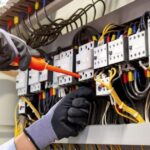
Every year, thousands of Nigerians attempt to fix electrical faults at home to save money. A tripped breaker here, a loose wire there, and before you know it, you are deep inside a wall socket with a screwdriver and a YouTube tutorial. We understand the appeal. But at Energymall, we have seen firsthand what goes wrong when electrical repairs are handled without proper training, and the consequences are far more serious than most people realize. The Real Statistics Behind DIY Electrical Work According to the National Fire Protection Association (NFPA), electrical failures and malfunctions are a leading cause of home fires globally, accounting for an estimated 13% of all residential fires. In Nigeria, the Federal Fire Service has repeatedly linked house fires to faulty wiring and unprofessional electrical installations. These are not freak accidents. Most of them start with a small, seemingly manageable repair that went wrong. Why It Is More Dangerous Than It Looks Electricity does not give warnings. A wire that appears dead can still carry a live current. Without proper testing equipment and training, you cannot reliably tell the difference. Nigeria’s power supply also presents a unique risk: voltage irregularities and sudden power surges from NEPA/PHCN restoration are common. If you are in the middle of a repair when power is restored, the result can be fatal. Beyond the immediate shock risk, improper wiring creates hidden hazards inside walls. Overloaded circuits, loose connections, and wrong wire gauges can cause slow-burning fires that ignite hours or even days after the repair was done. By that time, the connection between the repair and the fire may not even be obvious. Licensing Exists for a Reason Professional electricians in Nigeria are trained and certified through the Council for the Regulation of Engineering in Nigeria (COREN) and related bodies. This training covers load calculation, circuit protection, earthing systems, and safety protocols that no online tutorial can fully replicate. When a certified professional does the work, there is accountability. When you do it yourself, there is only risk. The Hidden Cost of “Saving Money” DIY electrical repairs often lead to higher costs down the line. Insurance companies can deny claims if a fire or damage is traced to unlicensed electrical work. Rewiring a home after preventable damage costs significantly more than hiring a professional from the start. The short-term savings are never worth the long-term liability. What You Should Do Instead If you notice flickering lights, frequently tripping breakers, burning smells, or sparking outlets, do not touch anything. These are warning signs that require professional attention immediately. At Energymall, we provide reliable, certified electrical repair and installation services across Nigeria. Our team is trained, equipped, and ready to handle every electrical challenge safely and efficiently, from minor fixes to full installations. Your safety is not a place to cut corners. Reach out to us today: Visit our website: www.service.energymall.ng WhatsApp us directly: +234 915 223 5721 Let the professionals handle it. That is what we are here for. By Energymall | Nigeria’s Trusted Energy Brand and Service Provider
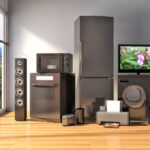
As Nigeria’s dry season sets in, temperatures rise and so do energy bills. Air conditioners, fans, and refrigerators work harder, and before you know it, your electricity costs have doubled. At Energymall, we understand this pain and we are here to help you take control. Here are proven, practical ways to reduce your energy bills this dry season. 1. Switch to Energy-Efficient Appliances Old appliances consume far more electricity than modern, energy-rated alternatives. According to the Energy Commission of Nigeria, energy-efficient appliances can reduce household electricity consumption by up to 30%. If your AC unit, refrigerator, or water heater is more than 8 years old, it is likely costing you more than it should. 2. Use Your Air Conditioner Smartly Set your AC to 24–26°C instead of lower temperatures. The US Department of Energy confirms that every degree below the recommended range increases energy consumption by approximately 3–5%. Use ceiling fans alongside your AC to circulate cool air efficiently, and always close windows and doors while the AC is running. 3. Unplug Appliances When Not in Use Standby power, also called phantom load, accounts for up to 10% of household electricity bills, according to the International Energy Agency (IEA). Televisions, phone chargers, and microwaves left plugged in continue drawing power even when switched off. Make it a habit to unplug. 4. Invest in Solar Energy Solutions The dry season in Nigeria means abundant sunlight — and that is an opportunity, not just a problem. Solar panels and inverter systems allow you to generate and store your own electricity, significantly reducing your dependence on the national grid and diesel generators. This is one of the smartest long-term investments any Nigerian home or business can make today. 5. Insulate Your Space and Block Out Heat Heat entering through windows and rooftops forces your cooling appliances to work overtime. Use blinds, reflective window films, or curtains during the hottest parts of the day, typically between 12pm and 4pm. Proper roof insulation can reduce indoor heat gain by up to 40%, according to energy efficiency research by the Nigerian Building and Road Research Institute (NBRRI). 6. Audit Your Energy Usage You cannot manage what you do not measure. Conduct a simple energy audit by tracking which appliances consume the most power and when. Digital energy meters and smart plugs make this easy and affordable. The Bottom Line Reducing your energy bills during the dry season is not about suffering through the heat, it is about making smarter choices. Whether you are a homeowner, a tenant, or a business owner, every step toward energy efficiency saves you real money and protects the environment. At Energymall, we provide trusted energy products and solutions tailored for Nigerian homes and businesses from solar installations and inverter systems to energy-efficient appliances and expert advice. Ready to cut your energy costs this dry season? Visit us at service.energymall.ng to explore our products and services, or send us a message directly on WhatsApp at +234 915 223 5721. Our team is ready to help you find the right energy solution for your needs. Energymall — Powering Smarter Living.
As a solar system owner in Nigeria, you understand the importance of maintaining your solar inverter to ensure it runs smoothly and efficiently. However, when issues arise, it’s crucial to hire a qualified solar inverter technician to diagnose and repair the problem. In this article, we’ll explore what to look for in a solar inverter technician and what it should cost. What to Look for in a Solar Inverter Technician When hiring a solar inverter technician, consider the following factors: – Experience and Expertise: Look for technicians with extensive experience in solar inverter installation and repair. Check their credentials, certifications, and reviews from previous clients. – Reputation and Reliability: Research the technician’s reputation online, ask for referrals, and check their rating with relevant organizations. – Insurance and Warranty: Ensure the technician has the necessary insurance coverage and offers a warranty on their work. – Communication and Customer Service: Choose a technician who communicates effectively, listens to your concerns, and provides excellent customer service. Cost of Hiring a Solar Inverter Technician The cost of hiring a solar inverter technician in Nigeria varies depending on several factors, including: – Type and Complexity of Repair: The cost of repair can range from ₦50,000 for simple issues to ₦500,000 or more for complex problems requiring replacement parts. – Technician’s Experience and Reputation: More experienced technicians may charge higher rates, but they often provide better quality work and warranties. – Location: Technicians in urban areas like Lagos and Abuja may charge differently compared to those in rural areas. Average Cost of Solar Inverter Installation The average cost of solar inverter installation in Nigeria can range from ₦2,000,000 to ₦8,500,000 or more, depending on the [8/9, 10:13 PM] Meta AI: Hiring a Solar Inverter Technician in Nigeria: A Comprehensive Guide As a solar system owner in Nigeria, you understand the importance of maintaining your solar inverter to ensure it runs smoothly and efficiently. However, when issues arise, it’s crucial to hire a qualified solar inverter technician to diagnose and repair the problem. In this article, we’ll explore what to look for in a solar inverter technician and what it should cost. What to Look for in a Solar Inverter Technician When hiring a solar inverter technician, consider the following factors: – Experience and Expertise: Look for technicians with extensive experience in solar inverter installation and repair. Check their credentials, certifications, and reviews from previous clients. – Reputation and Reliability: Research the technician’s reputation online, ask for referrals, and check their rating with relevant organizations. – Insurance and Warranty: Ensure the technician has the necessary insurance coverage and offers a warranty on their work. – Communication and Customer Service: Choose a technician who communicates effectively, listens to your concerns, and provides excellent customer service. Cost of Hiring a Solar Inverter Technician The cost of hiring a solar inverter technician in Nigeria varies depending on several factors, including: – Type and Complexity of Repair: The cost of repair can range from ₦50,000 for simple issues to ₦500,000 or more for complex problems requiring replacement parts. – Technician’s Experience and Reputation: More experienced technicians may charge higher rates, but they often provide better quality work and warranties. – Location: Technicians in urban areas like Lagos and Abuja may charge differently compared to those in rural areas. Average Cost of Solar Inverter Installation The average cost of solar inverter installation in Nigeria can range from ₦2,000,000 to ₦8,500,000 or more, depending on the system’s size and complexity. Here are some approximate price ranges for different solar inverter installation packages: – 2.5kVA Solar Energy Package: ₦2,000,000 to ₦3,000,000 – 5kVA Solar Energy Package: ₦4,500,000 to ₦6,000,000 – 7.5kVA Solar Energy Package: ₦6,500,000 to ₦8,500,000 – 10kVA Solar Energy Package: ₦6,200,000 to ₦10,000,000 Tips for Hiring a Solar Inverter Technician To ensure you hire the right technician for your solar inverter needs: – Get Multiple Quotes: Compare prices and services from different technicians to find the best fit for your budget and requirements. – Check Online Reviews: Research the technician’s reputation online and ask for referrals from friends, family, or colleagues. – Verify Credentials: Ensure the technician has the necessary certifications, licenses, and experience to work on your solar inverter system. By following these guidelines, you’ll be well-equipped to find a qualified solar inverter technician in Nigeria who can help you maintain and repair your solar inverter system efficiently and effectively.
As a solar system owner in Nigeria, you understand the importance of harnessing renewable energy to power your home or business. However, maintaining your solar inverter is crucial to ensure it runs smoothly and efficiently. Here’s a detailed checklist to help you perform monthly and yearly maintenance tasks. Monthly Maintenance Tasks – Visual Inspection: Start with a quick visual inspection of your solar panels and inverter. Look for dirt buildup, bird droppings, or debris that might be blocking sunlight or affecting the inverter’s performance. – Check Connections and Wiring: Inspect all connections and wiring for signs of wear, damage, or corrosion. Tighten any loose connections and replace damaged cables or connectors. – Clean the Inverter: Gently vacuum or blow away dust and debris from the inverter’s exterior and interior. Ensure proper airflow around the inverter to prevent overheating. – Monitor Performance: Track your inverter’s performance metrics, including voltage and temperature levels. Identify any fluctuations or signs of overheating and address issues promptly. – Inspect Air Vents and Fans: Check that air vents and fans are clear of debris and functioning properly. Clean or replace them as needed to maintain optimal airflow. – Record Voltage and Amperage: Use a multimeter to record voltage and amperage entering and exiting the inverter. Compare readings to the inverter’s specifications to ensure levels remain within the normal operating range. Yearly Maintenance Tasks – Professional Inspection: Schedule a professional inspection with a certified technician to identify potential issues and perform comprehensive maintenance tasks. – Component Testing: Test all major components, including transformers, capacitors, and switching devices, for signs of wear or damage. Replace parts approaching end-of-life before they fail. – Efficiency Analysis: Measure and record power conversion efficiency under various load conditions. Compare results with previous years to track performance trends. – System Upgrade Assessment: Evaluate whether your current inverter setup meets your power needs. Consider upgrades or modifications based on changing requirements. – Firmware Updates: Check for firmware updates and install them as recommended by the manufacturer to ensure optimal performance and security. – Environmental Assessment: Check the ambient temperature and humidity levels in your inverter area. Adjust ventilation or consider dehumidification if conditions fall outside recommended ranges. Additional Tips – Keep a Maintenance Log: Record all maintenance tasks, tests, and repairs. This helps track the health of your inverter over time and provides valuable information for troubleshooting future issues. – Prioritize Safety: Ensure all safety gear is worn, and the power supply is isolated before performing maintenance tasks. – Schedule Regular Maintenance: Set reminders based on usage patterns and manufacturer recommendations to ensure consistent maintenance and prevent unexpected breakdowns.
As a solar system owner in Nigeria, you’re likely no stranger to the importance of harnessing renewable energy. However, solar inverters, the heart of your solar power system, can face technical issues that impact performance. Let’s dive into the top 10 solar inverter problems and explore practical solutions. 1. Solar Inverter Not Turning On Is your solar inverter refusing to turn on? Check if the power switch is on and the inverter is connected properly. Ensure the battery is charged, and look for loose wires. If grid-connected, verify your home’s power supply is working. 2. No Power Output If your inverter is on but not producing power, check the solar panels’ energy output using a multimeter. Inspect wiring and connections between the inverter and panels. Reset the inverter if necessary. 3. Solar Inverter Display Not Working A blank display can be frustrating. Ensure the inverter is receiving power from solar panels or the grid. Check for tripped circuit breakers or blown fuses. If the issue persists, the display may need replacement. 4. Overheating Overheating can reduce efficiency and damage your inverter. Ensure proper airflow around the inverter, clean dust or debris, and move it to a shaded area if necessary. 5. Solar Inverter Making Unusual Noise Unusual noises can indicate internal fan issues or electrical faults. Listen for grinding or buzzing sounds, and check for loose screws or components. Contact a professional technician if needed. 6. Inverter Shutting Down at Peak Sun Hours Grid overload or voltage fluctuations might cause shutdowns. Check grid voltage and adjust settings if needed. Improve cooling and ventilation to prevent overheating. 7. Solar Inverter Not Connecting to WiFi or Monitoring App Poor WiFi signal strength or incorrect network configuration can cause connectivity issues. Reset WiFi settings, reconnect, and update firmware if necessary. 8. Battery Issues Dead batteries or faulty connections can prevent charging. Verify battery health, charge level, and connections. Ensure solar panels generate enough power. 9. Inverter Performance Decreasing Over Time Aging system components, poor maintenance, or degrading solar panels can reduce performance. Regularly inspect and clean the inverter, update firmware, and consider upgrading to a modern, efficient solar inverter. 10. Solar Inverter Showing Fault Codes or Error Messages Refer to the manual to decode error messages. Check for voltage issues, restart the inverter, and consult a professional if needed. Prevention is Key To avoid these issues, prioritize regular maintenance: – Inspect and Clean: Regularly inspect and clean the inverter and surrounding area. – Monitor Performance: Track your inverter’s performance to detect potential issues early. – Update Firmware: Stay up-to-date with the latest firmware to ensure optimal performance. – Ensure Proper Ventilation: Install the inverter in a well-ventilated area to prevent overheating. By following these tips and solutions, you’ll be well-equipped to handle common solar inverter problems and ensure your system runs smoothly. If you’re unsure about any issues or repairs, it’s always best to consult a professional.
As a solar system owner in Nigeria, you’re probably aware of the importance of harnessing renewable energy to power your home or business. But did you know that maintaining your solar inverter is crucial to ensure it runs smoothly and efficiently? In this guide, we’ll walk you through the simple steps to keep your solar inverter in top shape. Why Bother with Maintenance? Think of your solar inverter as the heart of your solar power system. It’s responsible for converting DC power from your panels into usable AC electricity. Regular maintenance not only maximizes efficiency but also extends the lifespan of your inverter. If you neglect maintenance, you might face premature failure, reduced efficiency, and costly repairs. Simple Tips to Keep Your Inverter Running Smoothly – Keep it Cool: Make sure your inverter has enough airflow to prevent overheating. Keep it at least 12 inches away from any walls or obstructions. – Clean the Air Intake Filter: Regularly clean the air intake filter to prevent dust and debris buildup, which can reduce cooling efficiency. – Monitor Performance: Keep an eye on your inverter’s performance and identify potential issues early. – Check for Error Codes: Regularly inspect your inverter for error codes or unusual indicator lights, which can signify issues needing professional attention. Regular Inspections and Cleaning – Take a Look: Regularly inspect your inverter for signs of wear, damage, or corrosion. – Dust It Off: Clean the inverter’s exterior and air vents gently with a soft brush or cloth. – Get into the Nooks and Crannies: Use a cotton bud to clean dust and debris from small crevices between air vents and cooling fans. A Few More Tips – Schedule a Check-up: Have your inverter inspected annually by a certified technician to identify potential issues before they become major problems. – Stay Up-to-Date: Regularly check for firmware updates to ensure your inverter operates with the latest software. – Protect Your Investment: Ensure your inverter operates within recommended temperature and humidity ranges to prevent damage. By following these simple maintenance tips, you’ll be able to keep your solar inverter running smoothly and efficiently, maximizing your energy production and extending the lifespan of your system.