As a solar system owner in Nigeria, you understand the importance of harnessing renewable energy to power your home or business. However, maintaining your solar inverter is crucial to ensure it runs smoothly and efficiently. Here’s a detailed checklist to help you perform monthly and yearly maintenance tasks.
Monthly Maintenance Tasks
– Visual Inspection: Start with a quick visual inspection of your solar panels and inverter. Look for dirt buildup, bird droppings, or debris that might be blocking sunlight or affecting the inverter’s performance.
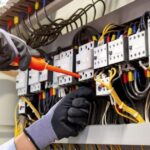
– Check Connections and Wiring: Inspect all connections and wiring for signs of wear, damage, or corrosion. Tighten any loose connections and replace damaged cables or connectors.
– Clean the Inverter: Gently vacuum or blow away dust and debris from the inverter’s exterior and interior. Ensure proper airflow around the inverter to prevent overheating.
– Monitor Performance: Track your inverter’s performance metrics, including voltage and temperature levels. Identify any fluctuations or signs of overheating and address issues promptly.
– Inspect Air Vents and Fans: Check that air vents and fans are clear of debris and functioning properly. Clean or replace them as needed to maintain optimal airflow.
– Record Voltage and Amperage: Use a multimeter to record voltage and amperage entering and exiting the inverter. Compare readings to the inverter’s specifications to ensure levels remain within the normal operating range.
Yearly Maintenance Tasks
– Professional Inspection: Schedule a professional inspection with a certified technician to identify potential issues and perform comprehensive maintenance tasks.
– Component Testing: Test all major components, including transformers, capacitors, and switching devices, for signs of wear or damage. Replace parts approaching end-of-life before they fail.
– Efficiency Analysis: Measure and record power conversion efficiency under various load conditions. Compare results with previous years to track performance trends.
– System Upgrade Assessment: Evaluate whether your current inverter setup meets your power needs. Consider upgrades or modifications based on changing requirements.
– Firmware Updates: Check for firmware updates and install them as recommended by the manufacturer to ensure optimal performance and security.
– Environmental Assessment: Check the ambient temperature and humidity levels in your inverter area. Adjust ventilation or consider dehumidification if conditions fall outside recommended ranges.
Additional Tips
– Keep a Maintenance Log: Record all maintenance tasks, tests, and repairs. This helps track the health of your inverter over time and provides valuable information for troubleshooting future issues.
– Prioritize Safety: Ensure all safety gear is worn, and the power supply is isolated before performing maintenance tasks.
– Schedule Regular Maintenance: Set reminders based on usage patterns and manufacturer recommendations to ensure consistent maintenance and prevent unexpected breakdowns.