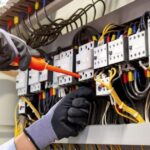
Electrical Safety Tips for Homeowners and Office Managers
Electricity powers our daily lives at home and in the workplace. From lighting and appliances to computers and security systems, we depend on a safe electrical setup. However, electrical accidents remain one of the leading causes of fires and property damage worldwide. Whether you are a homeowner or an office manager, understanding and practicing basic electrical safety tips can protect lives, equipment, and property. Why Electrical Safety Matters Prevents Fire Hazards: Faulty wiring, overloaded sockets, and neglected systems often trigger electrical fires. Protects Lives: Reduces risks of shocks and electrocution. Saves Costs: Prevents equipment damage and expensive repairs. Ensures Compliance: Meets safety regulations and workplace standards. Top Electrical Safety Tips 1. Avoid Overloading Circuits Plugging too many devices into one outlet or extension cord is risky. Overloaded circuits can overheat and spark fires. ✅ Tip: Spread appliances across different outlets and invest in power strips with surge protection. 2. Inspect Cords and Outlets Regularly Frayed, cracked, or exposed wires are dangerous. Loose outlets may cause arcing (sparks). ✅ Tip: Replace damaged cords and repair faulty outlets immediately. Never run cords under rugs or through doors. 3. Use Ground Fault Circuit Interrupters (GFCIs) Bathrooms, kitchens, and outdoor areas are high-risk zones for electric shocks. ✅ Tip: Install GFCIs to cut off power instantly when irregular current is detected. 4. Practice Safe Appliance Use Leaving appliances on for too long or misusing them increases electrical risks. ✅ Tip: Unplug unused devices, avoid using faulty equipment, and follow manufacturer guidelines. 5. Ensure Proper Grounding Without grounding, excess electricity during surges has nowhere to go, increasing the risk of electrocution. ✅ Tip: Hire an electrician to check that your home or office wiring is properly grounded. 6. Schedule Regular Electrical Maintenance Electrical systems deteriorate over time. Regular inspections detect hidden problems before they escalate. ✅ Tip: Homeowners should schedule yearly checks, while office managers should arrange quarterly inspections for safety compliance. 7. Educate Family Members and Staff Many accidents happen due to ignorance such as handling appliances with wet hands or using unsafe shortcuts. ✅ Tip: Train children, employees, and coworkers on electrical safety basics. Safety Checklist for Homeowners and Office Managers Don’t overload outlets Replace damaged cords immediately Install surge protectors and GFCIs Hire licensed electricians for repairs Conduct regular safety inspections Keep water away from electrical equipment Train household members and staff on safety rules Final Thoughts Electrical safety is not optional—it’s essential. By following these simple yet powerful tips, homeowners and office managers can reduce risks, protect valuable equipment, and safeguard lives. Remember: Prevention is always cheaper and safer than dealing with an accident. Invest in electrical safety today for peace of mind tomorrow.