Architecture Is Not Based On Concrete
Industry’s standard dummy text ever since the 1500s, when an unknown printer took a galley of type and scrambled it to make a type specimen book et iusto odio dignissimos…

For many Nigerian homes, a private borehole is more than a convenience. It is the family’s primary source of clean water for drinking, cooking, bathing, and other daily activities. During the peak of the rainy season in July, however, heavy downpours and flash floods can threaten both the reliability and safety of this water supply. A flooded compound may not only damage your pumping system but could also contaminate the water your family depends on every day. Although submersible pumps are designed to operate underwater inside the borehole, not every part of the system is built to withstand floodwater. Components such as the control panel, electrical connections, cable joints, and borehole chamber are vulnerable when rainwater accumulates around them. Without proper flood protection for boreholes, water can enter the electrical system, causing short circuits, damaged control boxes, or complete pump failure. In many cases, homeowners only discover the problem when they suddenly lose access to running water. Floodwater can also carry mud, leaves, sewage, chemicals, and harmful microorganisms. If it seeps into an improperly sealed borehole, these contaminants may find their way into the water source. Homeowners may notice that their tap water becomes cloudy, develops an unusual smell, or contains visible particles after heavy rainfall. Debris entering the system can also clog the pump’s impellers, forcing the motor to work harder and increasing the risk of overheating. What could have been resolved through routine borehole pump maintenance may eventually require expensive submersible pump repair or even a complete replacement. Preventive maintenance is far more affordable than dealing with a failed pump or a contaminated water supply. Regular inspections, proper sealing of the borehole chamber, checking electrical cable connections, raising control panels above likely flood levels, and servicing the pumping system before the rainy season all help reduce the risk of unexpected breakdowns. These simple steps also extend the lifespan of your equipment and improve the reliability of your household water supply. At Energymall, our specialists provide professional water pump installation, borehole pump maintenance, submersible pump repair, waterproofing, and well sanitization services. With timely maintenance and the right flood protection measures, you can enjoy a dependable supply of clean, safe water throughout the rainy season.
There is a very specific Nigerian irony in standing at your bathroom tap during the heaviest rain of the year, waiting for water that just will not come. Outside, the compound is practically flooding. Inside, someone is shouting that there is no water to flush, no water to bathe, no water to wash the dishes, and the family borehole pump, which worked perfectly well in the dry season, has suddenly chosen the wettest month of the year to stop working. It feels completely backwards, but the rainy season is actually one of the most demanding periods for many borehole and water pump systems. Heavy rainfall does not automatically mean your pump has an easier job. In fact, prolonged rain often exposes problems that have been quietly developing for months. Flooding and waterlogged surroundings can affect the borehole environment, while moisture finds its way into electrical connections that were never properly sealed. Storms also bring unstable electricity, and repeated power fluctuations place extra stress on submersible motors. If your pump has been running with worn components or minor electrical faults, the rainy season is often when those hidden issues become full breakdowns. Many homeowners only pay attention to their water pump after it has completely stopped working. Unfortunately, by then, what could have been a simple maintenance visit often turns into an urgent repair or even a costly replacement. Strange noises, weaker water pressure, irregular pumping cycles, or a pump that trips your electrical breaker are all early warning signs that should never be ignored. Routine servicing helps prevent these emergencies. A professional inspection can identify water ingress into electrical components, test pressure and flow performance, assess the condition of the motor, and confirm that your system is operating efficiently before a small issue becomes a major one. The rainy season is stressful enough without adding a dry tap to the list of problems. If your water pump is showing signs of trouble, or you simply want peace of mind before the next heavy downpour, Energymall provides professional water pump repair, submersible pump installation, borehole motor troubleshooting, and preventive maintenance. A properly installed and well-maintained system delivers reliable water when your household needs it most, regardless of how hard the rain is falling outside. To book your water pump installation services, visit service.energymall.ng
When water pumps fail, many people immediately assume the equipment itself was bad. But in reality, many pump failures start from preventable issues and in Nigeria, unstable electricity plays a major role. Common Reasons Water Pumps Fail Early 1. Voltage Fluctuations Unstable electricity puts constant stress on pump motors. 2. Dry Running When pumps run without sufficient water, internal damage increases quickly. 3. Poor Electrical Connections Weak wiring affects pump efficiency. 4. Poor Installation Incorrect setup reduces lifespan significantly. 5. Lack of Maintenance Small issues become bigger problems when ignored. Pumps Need Proper Support Systems Reliable pump performance depends on: Stable power Correct wiring Proper installation Regular inspections Prevention Is Cheaper Than Replacement At Energymall, we help homeowners with: -Water pump installations -Electrical troubleshooting Visit our site today at service.energymall.ng to book any of our installation/maintenance services
Every Nigerian estate WhatsApp group eventually becomes the same thing. One person is complaining about noise. Another person is asking who parked badly. And somehow, there’s always one water pump issue causing confusion. “Who left the pump running since morning?” “Why is the tank still empty?” “Who touched the control panel?” Water pumps are one of those things people rarely think about until they stop working. And in many Nigerian homes and estates, poor installation, electrical faults, and lack of maintenance cause pumps to fail earlier than expected. Common Water Pump Problems in Nigerian Homes 1. The Pump Keeps Running Nonstop This usually happens because of: -Faulty float switches -Electrical connection problems -Pressure control issues Aside from wasting electricity, this can damage the pump completely. 2. Low Water Pressure If water suddenly starts coming out weakly, the issue may not even be the pump itself. It could be: -Blocked pipes -Air leakage -Wiring problems affecting pump performance -Low voltage supply 3. The Pump Trips Constantly This is very common during rainy season. Moisture, unstable power supply, and weak electrical connections can cause repeated tripping. Some people replace entire pumps when the actual issue is electrical. 4. Strange Noises From the Pump Grinding sounds, vibrations, or loud humming should never be ignored. These signs usually mean the pump is under stress. Why Proper Installation Matters A lot of water pump issues start from poor installation. Wrong wiring, exposed electrical connections, weak protection systems, and bad placement all reduce pump lifespan. Professional installation helps avoid unnecessary breakdowns later. Small Fixes Prevent Bigger Expenses Many homeowners wait until the pump completely fails before paying attention. But regular inspections and quick troubleshooting can save a lot of money. At Energymall, we help with: -Water pump installations -Electrical troubleshooting -Pump control setup -Wiring inspections -Repair and upgrade support Because honestly, estate group chats already have enough drama. The water pump shouldn’t become the main character every week
In the rapidly expanding urban landscapes of Lagos and Abuja, high-rise residential and commercial developments are becoming the standard. However, a recurring challenge for developers and facility managers is ensuring consistent water pressure on upper floors. Gravity-fed systems often fall short, leaving penthouse residents and top-floor offices with a weak trickle rather than a steady flow. At Energymall, we understand that efficient water management is as critical as power stability. Solving this issue requires more than just a powerful pump; it requires a strategic installation of pressure boosters designed for vertical demand. The Mechanics of Pressure Boosters in High-Rise Structures In a high-rise environment, water must overcome both friction and static head (the vertical distance it needs to travel). For every 10 meters of height, water pressure drops by approximately 1 bar (14.5 psi) due to gravity alone. A pressure booster system works by detecting a drop in flow or pressure within the pipes. When a faucet is opened on a high floor, the system’s controller activates the pump to maintain a pre-set pressure level. Why Professional Installation is Mandatory Improper pressure pump installation in Nigeria often leads to frequent pipe bursts or “water hammer” (loud banging sounds in the plumbing). Professional installers ensure: Correct Sizing: Calculating the precise flow rate (liters per minute) required during peak usage hours. Variable Speed Drives (VSD): Integrating VSDs allows the pump to run only as fast as necessary, significantly reducing energy consumption and wear on the motor. Check Valve Placement: Strategic placement prevents water from flowing backward when the pump shuts off, protecting the internal components. Key Components of an Effective System To achieve a reliable water supply, the installation must go beyond a simple surface pump. Most modern Nigerian high-rises utilize a combination of these technologies: | Component | Function | | : – | : – | | Submersible Pumps | Often the primary source, submersible pump installation in Nigeria is used to lift water from boreholes or underground tanks to the booster station. | | Multi-stage Pumps | These use multiple impellers to build the high pressure needed to reach heights exceeding 20 or 30 meters. | | Pressure Tanks | These maintain a small reserve of pressurized water so the pump doesn’t have to cycle on and off for every glass of water poured. | Addressing the Local Environment Water pump installers in Nigeria must account for specific local variables. Sediment in the water supply can quickly erode pump impellers, leading to a loss of efficiency. At Energymall, we recommend high-grade stainless steel impellers and integrated filtration systems to prolong the lifespan of the installation. Furthermore, integrating these systems with specialized inverters or backup power is essential. Without a stable power source, even the most advanced pressure system remains dormant, leaving the upper floors without water during outages. Verification and Technical Standards Performance and safety must be verified post-installation through rigorous testing: Hydrostatic Testing: Pressurizing the pipes to 1.5 times the working pressure for at least two hours to ensure no leaks exist. Dry-Run Protection: Verifying that sensors automatically shut down the pump if the water source (tank or borehole) runs dry, preventing motor burnout. Ensuring high-rise water pressure is an engineering task that directly impacts the value of a property. By prioritizing professional installation and high-quality components, developers can provide a seamless experience for all occupants, regardless of which floor they call home. To book our water pump installation services, visit service.energymall.ng today!
In the demanding landscape of Nigerian industry, water is more than a utility, it is a critical input for manufacturing, large-scale hospitality, and high-net-worth residential estates. However, the combination of a tropical climate, fluctuating power quality, and varying groundwater chemistry creates a hostile environment for standard pumping equipment. At Energymall , we have observed that while many brands offer temporary solutions, Grundfos remains the undisputed gold standard for those prioritizing long-term operational efficiency and durability. Engineering for Resilience: The Grundfos Advantage The primary challenge for any submersible pump installation in Nigeria is the corrosive nature of diverse water tables and the mechanical stress of heat. Grundfos addresses this through high-grade stainless steel construction. Specifically, their SP series pumps are crafted using thin-plate stainless steel (grades EN 1.4301 and EN 1.4401), which provides superior resistance to sand abrasion and aggressive mineral content found in many Nigerian boreholes. Beyond material science, the integration of advanced motor protection is vital. Grundfos motors are designed to handle voltage fluctuations—a common occurrence in the Nigerian power grid. When paired with the Grundfos MP 204 control unit, these systems monitor motor temperature, power consumption, and insulation resistance in real-time, preventing the common “burnouts” that plague inferior brands. Precision in Grundfos Pump Installation in Nigeria An industrial-grade pump is only as effective as its installation. At Energymall, our technical team emphasizes a systems-thinking approach. A proper grundfos pump installation in Nigeria involves more than just lowering a motor into a borehole; it requires precise hydraulic calculations to match the pump’s “duty point” with the facility’s specific head and flow requirements. Key technical verification steps during installation include: * Cooling Sleeve Integration: Ensuring the motor remains within its thermal limits even during continuous industrial cycles. * Variable Speed Drive (VSD) Calibration: Utilizing Grundfos CUE drives to adjust pump speed based on demand, which can reduce energy consumption by up to 50% . * Phase Protection: Verifying electrical connectivity to prevent single-phasing, which is a leading cause of motor failure in industrial zones. Long-Term Reliability and the Grundfos Service Center One of the strongest arguments for Grundfos is the robust after-sales infrastructure. Investing in high-end equipment is only logical if genuine spare parts and expert maintenance are accessible. The presence of an authorized grundfos service center network in Nigeria ensures that industrial clients are not left stranded. From mechanical seal replacements to motor rewinding using original specifications, the availability of technical support minimizes downtime. At Energymall, we bridge this gap by providing procurement and professional maintenance services that adhere to Grundfos’ global engineering standards. The Verdict: Efficiency Meets Longevity For industrial stakeholders and estate developers, the “Total Cost of Ownership” (TCO) is the metric that matters most. While the initial capital expenditure for a Grundfos system may be higher than entry-level alternatives, the extended service life and reduced energy bills offer a significantly higher Return on Investment (ROI). By choosing Grundfos, you are not just buying a pump; you are investing in European engineering precision optimized for the Nigerian environment. Whether it is for high-pressure boosting, wastewater management, or deep-well extraction, Grundfos remains the benchmark for reliability. Ready to upgrade your water infrastructure? Explore our range of Grundfos solutions here and request a professional consultation for your next installation project at service.energymall.ng.
Securing a reliable water supply is a critical infrastructure requirement for Nigerian homes and businesses. However, the transition from a newly drilled borehole to a functional tap requires more than just lowering a pump into the ground. At Energymall, we have observed that the longevity of your water system depends heavily on the transition from manual, traditional methods to modern, automated standards. This guide provides a verified walkthrough of the professional submersible pump installation in nigeria , focusing on efficiency, protection, and automation. 1. Pre-Installation Site Assessment Before any equipment is purchased, a professional installer must verify the borehole’s parameters. Using “assumed” depths often leads to motor burnout. Total Depth and Static Water Level: Verification of the water level ensures the pump is placed deep enough to remain submerged during dry seasons but high enough to avoid sucking up silt. Yield Testing: This determines how many liters per minute the borehole can sustainably provide, which dictates the horsepower ($HP$) of the pump required. 2. The Modern Equipment Stack Modern water pump installation in nigeria now prioritizes system protection over simple functionality. A standard professional setup includes: The Submersible Pump: Typically a stainless steel multistage centrifugal pump. Submersible Cable: Waterproof (3-core or 4-core) cables specifically rated for underwater use. Control Box: This contains the starting capacitor and thermal overload protection. Safety Rope: High-tensile nylon or stainless steel wire to support the weight of the pump, preventing strain on the piping. 3. Step-by-Step Installation Process Phase A: Coupling and Waterproofing The pump motor is coupled with the pump end. The most critical technical step here is the splice kit application . Installers use resin-filled heat-shrink kits to ensure the electrical connection is 100% watertight. A minor leak here causes a “ground fault,” tripping your circuit breakers or damaging the motor. Phase B: Piping and Lowering Professional water pump installers in nigeria utilize high-pressure uPVC or HDPE pipes. As the pump is lowered, the submersible cable is secured to the pipe at 2-meter intervals using waterproof tape. This prevents the cable from tangling or rubbing against the borehole casing. Phase C: The Modern Edge (Automation and Protection) Unlike traditional manual setups, a modern installation integrates “smart” components: Dry-Run Protection: Sensors detect if the water level drops too low and automatically shut off the pump to prevent the motor from overheating. Float Switches: These are installed in the overhead tank to signal the pump to start when the tank is low and stop when it is full. Voltage Protectors: Given the power fluctuations in the Nigerian grid, an external voltage guard is installed to shield the control box from surges. – 4. Verification and Testing Once the pump is seated, the following checks are mandatory: 1. Insulation Resistance Test: Using a Megger meter to ensure there is no electrical leakage to the water. 2. Amperage Check: Measuring the current draw during operation to ensure it matches the manufacturer’s specifications. 3. Flow Rate Verification: Ensuring the “tap-to-tank” time aligns with the pump’s rated capacity. Why Professional Installation Matters The cost of a submersible pump installation in nigeria is an investment in your property’s value and daily comfort. While DIY or “informal” methods might save initial costs, they frequently result in “short-circuiting” or “dry-running,” which can destroy a pump in minutes. By choosing certified water pump installers in Nigeria , you ensure that your system uses the correct cable gauges, pressure-rated pipes, and essential automation. At Energymall, we focus on delivering these modern standards to ensure that when you turn on your tap, the water is always there. Looking for a reliable water solution? Visit us at Service.energymall.ng for long-term durability and energy efficiency.
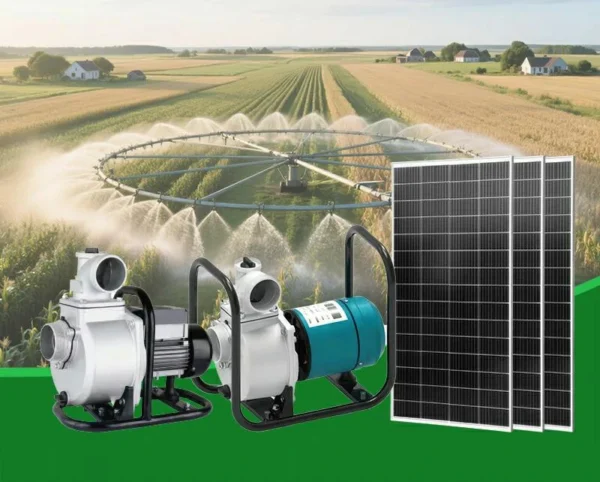
The landscape of Nigerian agriculture is undergoing a radical shift. For decades, the “heartbeat” of many farms was the rhythmic, often problematic, thrum of diesel engines. However, with fuel prices in early 2026 hovering between **₦1,000 and ₦1,200 per liter**, the cost of traditional irrigation has become a barrier to survival rather than a tool for growth. At Energymall, we see a new future: one powered by the 300 days of abundant sunshine Nigeria receives annually. Solar water pump installation is no longer an “alternative” technology; it is the financial and operational backbone of modern, profitable farming. The Economic Reality: Solar vs. Diesel To understand why solar is the future, we must look at the hard data. Traditional petrol or diesel pumps require a constant “tax” on your productivity. | Feature | Diesel Powered Pumps | Solar Powered Pumps | | — | — | — | | **Initial Cost** | Lower upfront investment | Higher upfront investment | | **Daily Fuel Cost** | **₦4,500 – ₦6,000** (Avg. 6hrs/day) | **₦0 (Free)** | | **Annual Maintenance** | High (Oil, filters, engine wear) | Minimal (Panel cleaning) | | **Break-even Period** | Never (Ongoing expense) | **6 to 18 Months** | | **Lifespan** | 3–7 years (with overhauls) | 20+ years (Panels) | For a standard 3 HP pump running 6 hours a day, a Nigerian farmer spends approximately **₦1.5 million annually** on fuel alone. By transitioning to solar, that entire expense is redirected into profit or farm expansion. Why Solar Pumping is Vital for Nigeria in 2026 1. Conquering the Dry Season In Nigeria, the highest demand for irrigation occurs during the dry season—precisely when solar irradiance is at its peak. This natural alignment ensures that your crops receive maximum water when the sun is harshest. Research indicates that solar-powered irrigation can increase farming cycles from **1.4 to nearly 2.0 cycles per year**, effectively allowing for year-round cultivation and doubling annual output. 2. Energy Sovereignty Fuel scarcity and price volatility are recurring challenges in the Nigerian market. Solar water pumps decouple food production from the grid and the filling station. When the local station runs dry or prices spike overnight, a solar-powered system ensures your crops stay hydrated without interruption. 3. Boosting Crop Yields and Quality Precision is the key to modern agriculture. Whether it is a deep-well submersible pump for a borehole or a surface pump for a stream, solar systems provide a consistent flow rate. In states like Kaduna and Kano, farmers utilizing solar irrigation have reported yield increases of up to **31.5%** compared to those relying on rain-fed or erratic manual methods. Verification and Policy Support The shift is backed by significant institutional momentum. In late 2025, the **National Economic Council (NEC)** endorsed the national rollout of solar-powered irrigation pumps to replace petrol-powered versions. Furthermore, the **National Agency for Science and Engineering Infrastructure (NASENI)** has begun deploying thousands of units to facilitate the cultivation of up to **one million hectares** of irrigated farmland across the country. These are not just environmental goals; they are national food security mandates. By adopting solar, Nigerian farmers are aligning with a federal shift toward “climate-smart” agriculture that reduces the national carbon footprint by an estimated 4,000,000 metric tons of $CO_2$ annually. Your Partner in Agricultural Growth: Energymall Transitioning to solar is a significant investment, and it requires technical precision. At Energymall, we don’t just sell equipment; we design solutions tailored to the Nigerian terrain. *Borehole & Submersible Expertise:* We size systems based on your specific water depth and flow requirements. *Drip Irrigation Integration:** We combine solar pumps with pressure-regulated drip systems to maximize water-use efficiency. *Maintenance & Support:** Our systems are built with durable, high-efficiency components designed to last 20+ years. The sun is Nigeria’s most reliable partner. It is time your farm started using it. To see our installation and equipment maintenance solutions, visit service.energymall.ng
Smart home appliances have revolutionized how we interact with technology in our living spaces. From refrigerators that can order groceries to thermostats that learn our temperature preferences, these devices offer convenience and efficiency. However, to maintain their performance and longevity, proper maintenance is crucial. General Maintenance Principles 1. Regular Software Updates Smart devices rely heavily on firmware and software: Enable automatic updates when possible Manually check for updates monthly Ensure your home network supports the latest device firmware Review update release notes for new features or security improvements 2. Network and Connectivity Management Maintain a robust network environment for smart devices: Use a dedicated IoT network if possible Regularly restart your router Ensure strong, consistent Wi-Fi signal Use mesh network systems for larger homes Specific Appliance Maintenance Tips Smart Refrigerators Clean condenser coils every six months Check door seals for proper alignment Maintain optimal temperature settings Clear cache and reset smart features annually Clean touchscreens with microfiber cloths Smart Thermostats Replace batteries in wireless sensors Clean dust from external surfaces Calibrate temperature sensors annually Check and replace HVAC filters regularly Verify location doesn’t impact temperature readings Smart Washing Machines and Dryers Run monthly cleaning cycles Check and clean door seals Inspect water inlet hoses for wear Clear lint filters after every use Update firmware to improve wash cycle efficiency Smart Ovens and Ranges Clean touchscreens and sensors carefully Use manufacturer-recommended cleaning solutions Check door seals and hinges Calibrate temperature settings periodically Clear cache and reset smart features annually Smart Security Cameras Clean lens with specialized camera cleaning solutions Check and replace batteries in wireless devices Update firmware regularly Adjust motion detection sensitivity Ensure proper weatherproofing for outdoor units Cybersecurity Maintenance Password and Access Management Change default passwords immediately Use strong, unique passwords for each device Enable two-factor authentication Regularly review connected devices Disconnect unused or unnecessary device connections Network Security Use a separate IoT network Enable firewall protections Regularly update router firmware Use VPN for additional security Monitor network traffic Battery and Power Management Battery-Powered Devices Use manufacturer-recommended batteries Remove batteries during long periods of non-use Store in cool, dry environments Avoid complete battery drainage Consider rechargeable options Electrical Connections Inspect power cables for wear Use surge protectors Avoid overloading electrical circuits Ensure proper ventilation for devices Troubleshooting Common Issues Performance Optimization Factory reset devices experiencing persistent issues Check compatibility with other smart home systems Consult manufacturer support for complex problems Monitor device performance metrics When to Seek Professional Help Unusual noises or performance drops Persistent connectivity issues Physical damage to devices Complex system integration problems Cost-Effective Maintenance Strategies
Solar water pumps represent a transformative technology for rural and agricultural communities in Nigeria, offering a sustainable solution to water access challenges. By harnessing solar energy, these systems provide a reliable water supply without dependence on electrical grids or fossil fuels. This comprehensive guide will walk you through the process of installing a solar water pump in Nigeria. Pre-Installation Assessment Site Evaluation Before beginning installation, conduct a thorough site assessment: Determine water source location (borehole, well, river) Measure water depth and required pumping height Assess daily water requirements Analyze solar radiation levels in the specific region Equipment Selection Choose appropriate components based on site-specific needs: Solar panels (monocrystalline recommended for Nigerian climate) Submersible or surface pump Mounting structures Batteries (optional for storage) Controller and inverter Installation Steps 1. Prepare the Site Clear and level the ground for solar panel installation Ensure proper drainage Create a stable foundation for mounting structures 2. Solar Panel Mounting Position panels to maximize sun exposure Typically facing south with a tilt angle matching local latitude Secure mounting structures firmly to prevent wind damage Ensure panels are at optimal angle for maximum solar radiation 3. Pump and Piping Installation Install submersible pump in well or borehole Use high-quality, corrosion-resistant piping Ensure proper sealing and connection Check for potential leakage points 4. Electrical Connection Connect solar panels to charge controller Link controller to pump system Install protective grounding Use waterproof electrical connections 5. System Testing Conduct initial system startup Verify water flow and pressure Check electrical connections Monitor performance during different sunlight conditions Maintenance Recommendations Regular Maintenance Clean solar panels monthly Inspect electrical connections quarterly Check pump performance annually Replace components as needed Common Troubleshooting Monitor water output Check battery health (if applicable) Inspect for mechanical wear Address any performance drops immediately Cost Considerations Initial Investment Solar panel system: ₦500,000 – ₦2,000,000 Pump and installation: ₦300,000 – ₦1,500,000 Total estimated cost: ₦800,000 – ₦3,500,000 Long-Term Benefits Zero fuel costs Minimal maintenance expenses Environmentally friendly Reliable water supply Potential Challenges in Nigeria Harsh weather conditions Dust accumulation Potential theft of equipment Limited technical expertise Recommended Mitigation Strategies Use robust, weather-resistant equipment Install security measures Provide local training Choose reputable suppliers