Cost of Installing a Solar Water Pump in Nigeria (2025 Price Breakdown)
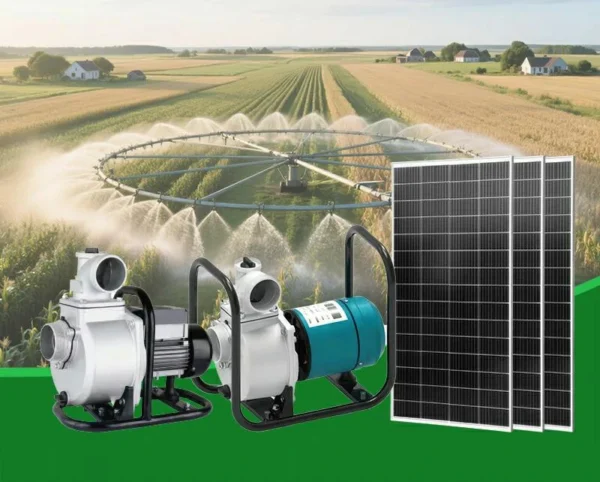
As Nigeria continues to grapple with unreliable grid power and rising fuel costs, solar water pumps are emerging as the smart, sustainable solution for homes, farms, and communities. But before you take the plunge, one critical question remains: How much will it cost? This 2025 guide breaks down the real cost of installing a solar water pump in Nigeria — including system components, labor, maintenance, and hidden fees so you can budget wisely and make an informed investment. — ## 💡 Why Go Solar for Water Pumping? Before diving into pricing, let’s quickly recap why solar water pumps are gaining traction: – *Zero fuel cost* — sunlight is free! – *Low maintenance* — no moving engine parts like diesel pumps. – *Eco-friendly* — reduces carbon emissions. – *Grid-independent* — works even during blackouts. – *Long-term savings* — pays for itself in 2–4 years. Now, let’s talk numbers. — ## 📊 2025 Solar Water Pump Installation Cost Breakdown (Nigerian Market) The total cost depends heavily on your *water demand, **source depth (borehole/well depth), **daily water volume needed, and **system quality*. Below is a realistic price range based on current 2024 trends and projected 2025 inflation (estimated 15–20% increase). > 💰 All prices are in Nigerian Naira (₦) unless otherwise stated. — ### ✅ 1. SYSTEM CAPACITY & PRICE RANGES (2025 ESTIMATES) | System Size (HP) | Daily Water Output* | Ideal For | Estimated Total Cost (₦) | |——————|———————|————————|—————————| | 0.5 HP | 1,000 – 2,000 Liters | Small homes, gardens | ₦350,000 – ₦600,000 | | 1.0 HP | 3,000 – 5,000 Liters | Medium homes, small farms | ₦700,000 – ₦1,200,000 | | 2.0 HP | 6,000 – 10,000 Liters | Large farms, poultry, community use | ₦1,300,000 – ₦2,500,000 | | 3.0+ HP | 12,000+ Liters | Commercial farms, irrigation schemes | ₦2,800,000 – ₦6,000,000+ | *Output varies based on borehole depth, sunlight hours, and pump efficiency. — ### 🔧 2. COMPONENT COST BREAKDOWN (1.0 HP Example — Mid-Range) Here’s what you’re paying for inside that ₦700,000–₦1.2M package: | Component | Description | Estimated Cost (₦) | |————————|———————————————-|——————–| | *Solar Panels* | 2–4 panels (330W–400W each) | ₦250,000 – ₦400,000 | | *DC/AC Water Pump* | Submersible or surface pump (1 HP) | ₦180,000 – ₦300,000 | | *Controller/Inverter*| MPPT charge controller + pump driver | ₦80,000 – ₦150,000 | | *Mounting Structure* | Aluminum or galvanized steel frame | ₦40,000 – ₦70,000 | | *Cables & Wiring* | PV cables, waterproof connectors, conduits | ₦30,000 – ₦60,000 | | *Installation Labor* | Professional setup, wiring, testing | ₦50,000 – ₦100,000 | | *Transport & Misc.* | Delivery, permits (if any), small tools | ₦20,000 – ₦50,000 | | *Optional Add-ons* | Storage tank, float switch, remote monitor | ₦50,000 – ₦200,000 | > 💡 Note: Prices vary by brand (Chinese vs. European), warranty, and vendor location (Lagos may be cheaper than rural areas due to competition). — ### 🌍 3. Regional Price Variations in Nigeria – *Lagos, Abuja, Port Harcourt*: More vendors = competitive pricing. Expect 5–10% lower costs. – *Northern States (Kano, Kaduna)*: Higher transport/logistics costs may add ₦50,000–₦150,000. – *Rural/Remote Areas*: Limited technicians = higher labor fees. May require advance booking. — ### ⚠ 4. Hidden Costs to Watch Out For Many first-time buyers get surprised by these: – *Borehole/Water Source Prep*: If your borehole isn’t ready or needs casing repair, add ₦100,000–₦500,000. – *Storage Tank*: Not always included. A 1,000–5,000L plastic tank costs ₦80,000–₦300,000. – *Extended Warranty*: Basic warranty is 1 year. Extended (3–5 years) may cost extra. – *Maintenance Contracts*: Optional annual service (cleaning panels, checking pump) — ₦20,000–₦50,000/year. — ### 💰 5. Financing & Government Support (2025 Update) Good news: You don’t have to pay everything upfront. – *Bank Loans*: Some banks (e.g., BOI, FCMB Agric Desk) offer green energy loans at 5–10% interest. – *Government Grants*: Check REA (Rural Electrification Agency) and state-level agricultural programs. – *Vendor Installment Plans*: Many solar companies now offer 3–6 month payment plans (with 10–20% deposit). – *Cooperative Schemes*: Farming co-ops can pool resources for larger community systems. — ## 📈 ROI: How Long Until It Pays for Itself? Let’s compare a 1.0 HP solar pump (₦1M) vs. a diesel pump: | Cost Factor | Diesel Pump (Monthly) | Solar Pump (Monthly) | |——————–|————————|———————–| | Fuel | ₦60,000 | ₦0 | | Maintenance | ₦15,000 | ₦2,000 | | Engine Overhaul | ₦50,000 (every 6 mo) | ₦0 | | *Total Monthly* | *₦125,000 avg* | *₦2,000* | 👉 *Break-even point: 8–12 months!* After that, you’re saving over ₦1.2 million per year. — ## ✅ Tips to Reduce Your Installation Cost 1. *Get Multiple Quotes* — Compare at least 3 reputable vendors. 2. *Buy Off-Season* — Install during rainy season (lower demand = better deals). 3. *Go Local Brands* — Consider Nigerian or Indian brands (e.g., Luminous, Sukam) for mid-range budgets. 4. *DIY Mounting?* — Only if you’re technically skilled. Mistakes can void warranties. 5. *Bundle Deals* — Ask if they offer discounts when buying panels + pump + tank together. — ## 📍 Where to Buy in Nigeria (Trusted Vendors 2025) – *Lumos Nigeria* (Home & SME solutions) – *Arnergy Solar* (Commercial & agri-focused) – *Daystar Power* (Industrial & farm scale) – *Green Village Energy (GVE) Projects* (Rural & community projects) – *JinkoSolar / Canadian Solar Distributors* (For premium panel brands) Always check for NEMSA certification and customer reviews. — ## 🌞 Final Verdict: Is It Worth It in 2025? *Absolutely.* With rising diesel prices, worsening power outages, and increasing climate awareness, a solar water pump is no longer a luxury — it’s a necessity for productivity, health, and financial freedom. While the upfront cost may seem steep, the long-term savings, reliability, and environmental benefits make it one of the wisest investments a Nigerian household, farmer, or community leader can make in 2025. — *📌 Pro Tip:* Start small. Even a 0.5HP system for home use can save you ₦50,000/month on fuel and electricity.