Architecture Is Not Based On Concrete
Industry’s standard dummy text ever since the 1500s, when an unknown printer took a galley of type and scrambled it to make a type specimen book et iusto odio dignissimos…

There is something special about football nights during the rainy season in Nigeria. Friends gather early, the drinks are chilled, the small chops are ready, and everyone settles in front of the television with high expectations. Outside, rain has been falling steadily since afternoon, the kind that floods streets in Lagos, Port Harcourt, and many other cities, making movement difficult and keeping people indoors. Then it happens. Just before kickoff, or even worse, seconds after your team scores, the power goes out. No problem, you think. That is exactly why the generator is there. You pull the starter or press the ignition. It coughs once. It sputters twice. Then nothing. For many Nigerian homes and viewing centres, this is an all too familiar story. What feels like terrible timing is often the result of problems that have been building quietly for weeks or even months. Rainy weather creates the perfect conditions for generator issues. Moisture can find its way into fuel systems, while condensation affects sensitive engine components. Humidity also puts extra strain on batteries that may already be weak from months of use. At the same time, generators work harder during the rainy season because families spend more time indoors watching television, charging devices, and running appliances for longer hours. Football season only adds to the pressure. Late night matches, crowded viewing centres, and uninterrupted entertainment demand expose generators that have not been properly maintained. A machine that managed through the dry season may suddenly refuse to cooperate when it is needed most. The good news is that many emergency breakdowns are preventable. Routine servicing allows technicians to inspect the battery, fuel lines, spark plugs, filters, oil level, and other critical components before small faults become expensive failures. Identifying moisture-related issues early can also prevent unexpected shutdowns during heavy rains. If you rely on uninterrupted power for football nights, family entertainment, or your business, preparation is always cheaper than emergency repairs. Pairing your setup with an inverter for your TV and sound system also provides an extra layer of backup, allowing you to keep watching even while your generator is being started or serviced. Before the next big match, let Energymall’s technicians carry out a proper generator health check. From generator troubleshooting and preventive maintenance to reliable power backup solutions, we help ensure the only thing keeping you on the edge of your seat is the action on the pitch, not a generator that refuses to start.
There are problems in Nigerian homes that are so common, people no longer question them. They just adjust. Like: Lights flickering slightly in certain rooms. Sockets that only work if you “position the plug well.” Appliances that reset after power comes back. Fans that slow down randomly. Generators that behave differently depending on mood of the day. Over time, these things become “normal.” But they are not normal. They are symptoms. Symptoms of wiring issues, unstable power flow, poor installations, or overloaded systems. The problem is not always dramatic enough to demand immediate attention. So people live with it. But these small issues are often early warnings of bigger failures waiting to happen. And because they are ignored, they eventually escalate into full breakdowns. That is why routine electrical inspection and proper system setup matters more than emergency repairs. Because most home problems don’t start big. They start small and consistent. Visit service.energymall.ng
Smart home technology is no longer a futuristic concept in Nigeria; it is a functional investment in comfort and energy efficiency. However, many homeowners view a smart home as a “set and forget” system. In reality, the technical lifespan of smart devices is heavily influenced by the Nigerian energy climate characterized by voltage fluctuations, high humidity, and heat. Neglecting the maintenance and repair of these systems does more than just cause a temporary inconvenience. It leads to a compounding financial and technical burden that far exceeds the price of a routine service call. The Technical Reality of Smart Home Lifespans Every component of a smart home —from automated lighting modules to smart distribution boards—has a rated operational life. For instance, high-quality smart switches are typically rated for 100,000 cycles. However, in Nigeria, the “real-world” lifespan is often dictated by external stressors: 1. Voltage Instability: Frequent surges and “brownouts” can degrade the capacitors within smart sensors and actuators. Without voltage protection or timely repair, a single faulty component can cause a communication breakdown across a Zigbee or Z-Wave network. 2. Environmental Degradation: Dust accumulation in smart HVAC controllers or salt-air exposure in coastal areas like Lagos can lead to circuit board corrosion. 3. Firmware Desync: A smart home is a fusion of hardware and software. Neglecting updates or failing to recalibrate sensors after a power failure can lead to “ghost” energy consumption, where devices remain active or “searching” for a signal, drawing unnecessary power. The Financial Impact of Neglect When you bypass a professional home automation repair in Nigeria , you face three specific financial risks: Total System Replacement: Minor faults, such as a localized short circuit in a motorized curtain track, can eventually strain the central hub. Replacing a single motor is affordable; replacing a fried central processor is a significant capital expense. Energy Inefficiency: One of the primary reasons for choosing a home automation installation company is to reduce electricity bills through scheduling and occupancy sensing. A malfunctioning sensor that fails to turn off an AC unit can cost a homeowner thousands of Naira in wasted energy over just one month. Security Vulnerabilities: Smart locks and security cameras are the frontline of modern home defense. Hardware lag or mechanical friction in an automated gate motor—if left unaddressed—compromises the physical security of the premises. Why a Reliable Repair Partner Matters Home automation is an ecosystem, not a collection of isolated gadgets. Diagnostic accuracy is the difference between a quick fix and a botched DIY attempt that voids your warranty. As a dedicated home automation installation company , Energymall emphasizes that “installation” is merely day one. A reliable repair partner understands the specific wiring standards used in Nigerian construction and can distinguish between a software glitch and a hardware failure caused by a neutral wire fault. The Verification Checklist for Homeowners: Regular Calibration: Sensors should be tested every six months to ensure accuracy. Surge Protection: Verify that your automation hub is behind a dedicated surge protector or a pure sine wave inverter system. Professional Audits: Annual technical audits can identify overheating components before they fail. A smart home is an asset that requires stewardship. While the initial investment focuses on the “wow” factor of automation, the long-term value is found in reliability. Prioritizing home automation repair in Nigeria ensures that your system remains an asset rather than a liability. At Energymall, we believe that staying smart means staying maintained. Don’t wait for a total system blackout to realize the importance of technical upkeep. To book more of our installation services, visit service.energymall.ng
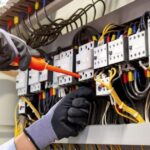
Every year, thousands of Nigerians attempt to fix electrical faults at home to save money. A tripped breaker here, a loose wire there, and before you know it, you are deep inside a wall socket with a screwdriver and a YouTube tutorial. We understand the appeal. But at Energymall, we have seen firsthand what goes wrong when electrical repairs are handled without proper training, and the consequences are far more serious than most people realize. The Real Statistics Behind DIY Electrical Work According to the National Fire Protection Association (NFPA), electrical failures and malfunctions are a leading cause of home fires globally, accounting for an estimated 13% of all residential fires. In Nigeria, the Federal Fire Service has repeatedly linked house fires to faulty wiring and unprofessional electrical installations. These are not freak accidents. Most of them start with a small, seemingly manageable repair that went wrong. Why It Is More Dangerous Than It Looks Electricity does not give warnings. A wire that appears dead can still carry a live current. Without proper testing equipment and training, you cannot reliably tell the difference. Nigeria’s power supply also presents a unique risk: voltage irregularities and sudden power surges from NEPA/PHCN restoration are common. If you are in the middle of a repair when power is restored, the result can be fatal. Beyond the immediate shock risk, improper wiring creates hidden hazards inside walls. Overloaded circuits, loose connections, and wrong wire gauges can cause slow-burning fires that ignite hours or even days after the repair was done. By that time, the connection between the repair and the fire may not even be obvious. Licensing Exists for a Reason Professional electricians in Nigeria are trained and certified through the Council for the Regulation of Engineering in Nigeria (COREN) and related bodies. This training covers load calculation, circuit protection, earthing systems, and safety protocols that no online tutorial can fully replicate. When a certified professional does the work, there is accountability. When you do it yourself, there is only risk. The Hidden Cost of “Saving Money” DIY electrical repairs often lead to higher costs down the line. Insurance companies can deny claims if a fire or damage is traced to unlicensed electrical work. Rewiring a home after preventable damage costs significantly more than hiring a professional from the start. The short-term savings are never worth the long-term liability. What You Should Do Instead If you notice flickering lights, frequently tripping breakers, burning smells, or sparking outlets, do not touch anything. These are warning signs that require professional attention immediately. At Energymall, we provide reliable, certified electrical repair and installation services across Nigeria. Our team is trained, equipped, and ready to handle every electrical challenge safely and efficiently, from minor fixes to full installations. Your safety is not a place to cut corners. Reach out to us today: Visit our website: www.service.energymall.ng WhatsApp us directly: +234 915 223 5721 Let the professionals handle it. That is what we are here for. By Energymall | Nigeria’s Trusted Energy Brand and Service Provider
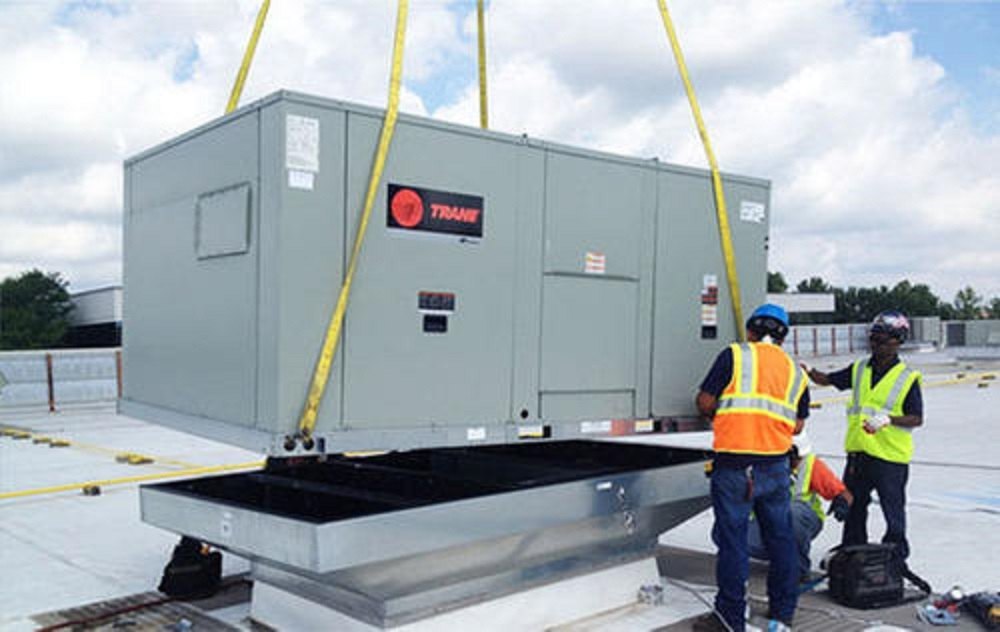
Nigeria’s dry season peaks between February and April, pushing temperatures above 35 degrees Celsius in many regions. According to the Nigerian Meteorological Agency (NiMet), March consistently ranks among the hottest months across Lagos, Abuja, Kano, and Port Harcourt. If your air conditioner breaks down during this period, you are not just uncomfortable. You are dealing with a health risk, lost productivity, and expensive emergency repair costs. At Energymall, we have seen firsthand how preventable AC failures disrupt homes and businesses across Nigeria every year. The good news is that your air conditioner will almost always warn you before it completely gives out. Here are the top five signs you need to act now, before the heat takes full control. 1. Warm Air Blowing from the Vents This is the most obvious warning sign, yet many people ignore it hoping the issue will fix itself. If your AC is set to cool mode but blowing warm or room-temperature air, the unit has a problem. Common causes include a refrigerant leak, a failing compressor, or restricted airflow through dirty filters. Refrigerant (commonly R-22 or R-410A) is the chemical responsible for cooling air inside your system. According to the American Society of Heating, Refrigerating and Air-Conditioning Engineers (ASHRAE), a system low on refrigerant cannot perform efficient heat exchange and must be inspected and recharged by a licensed technician. Do not attempt to recharge refrigerant yourself. It requires proper certification and handling. 2. Unusual Noises During Operation A well-maintained AC unit runs with a low, consistent hum. If you are hearing grinding, rattling, hissing, banging, or squealing sounds, something is mechanically wrong. Grinding often points to worn motor bearings. Hissing can indicate a refrigerant leak. Banging usually means a loose or broken component inside the compressor. These noises do not go away on their own. Operating a noisy AC without inspection typically leads to total compressor failure, which is the most expensive component to replace in any air conditioning system. 3. Water Leaks or Excess Moisture Around the Unit Some condensation around your AC is normal in humid Nigerian weather. However, pooling water, visible ice on the refrigerant lines, or moisture damage on walls near the unit are not normal. These symptoms indicate a blocked condensate drain line or a frozen evaporator coil, both of which reduce cooling efficiency and can cause water damage to your walls and ceilings. A blocked drain line can also become a breeding ground for mold, which poses direct respiratory health risks, particularly for children and elderly occupants. 4. Skyrocketing Electricity Bills Without Increased Usage If your electricity consumption from your Distribution Company (DisCo) or inverter system has increased significantly but your usage habits have not changed, your AC may be losing efficiency. A unit working harder than it should to maintain temperature draws more power without delivering better cooling. According to the Energy Commission of Nigeria, an inefficient air conditioner can consume up to 30 percent more electricity than a properly maintained unit operating at the same capacity. In a country where energy costs continue to rise, this represents a significant financial drain that a timely service call can prevent. 5. Foul or Musty Odours When the AC Runs A burning smell could mean electrical components are overheating. A musty or mildew odour is a strong indicator of mold growth inside the unit or ductwork. Both scenarios are serious. Mold inside an AC system spreads spores directly into your living or working space every time the unit runs. Nigeria’s humid climate, particularly in coastal cities like Lagos and Warri, creates ideal conditions for mold growth inside air conditioning systems that are not regularly cleaned and serviced. If you notice any unusual smell, turn off the unit and contact a qualified technician immediately. Do Not Wait for a Breakdown AC repair costs increase significantly when a fault worsens over time. A compressor replacement can cost three to five times more than a routine service call that could have caught the problem early. Energymall provides trusted AC servicing, repair, and installation across Nigeria, backed by qualified engineers and genuine parts. Book your AC inspection today at service.energymall.ng before March heat hits or send us a DM via whatsapp on this number: +234 915 223 5721. Stay cool, stay efficient. By Energymall