Service by Energymall

A Step-by-Step Guide to Planning and Installing an Integrated Smart Security System

As safety concerns continue to rise in Nigeria, homeowners and businesses are turning to integrated smart security systems for round-the-clock protection. But for many, the idea of planning and installing such systems can feel overwhelming. The good news? With the right approach, you can build a reliable, connected, and easy-to-manage solution.   Here’s a step-by-step guide to help you get started. Step 1: Assess Your Security Needs Before buying any device, identify the specific risks you want to address. Is your goal to prevent burglary, monitor staff, or control visitor access? Do you need indoor, outdoor, or perimeter coverage? What areas are most vulnerable — gates, entrances, storage rooms, or offices? A clear needs assessment prevents overspending and ensures the system fits your lifestyle or business operations. Step 2: Set a Realistic Budget Smart security is an investment, but it doesn’t have to break the bank. Decide how much you’re willing to spend upfront and plan for gradual upgrades. For example, start with CCTV and motion sensors, then add access control and smart alarms later. Step 3: Choose the Right Devices An integrated system works best when devices complement each other. Key components include: CCTV Cameras for real-time monitoring. Motion Sensors for instant alerts. Smart Door Locks & Access Control for secure entry. Alarms & Sirens to deter intruders. Smart Lighting for visibility and deterrence. Smoke & Gas Detectors for safety beyond intrusions. Step 4: Ensure Compatibility Not all devices “speak the same language.” To avoid issues, select products designed for integration or purchase from providers that offer bundled solutions. Compatibility ensures smooth communication between cameras, sensors, and alarms. Step 5: Plan for Connectivity and Power Smart systems rely on internet and electricity. In Nigeria, where outages are common, integration with backup power (inverters, UPS, or solar bundles) is essential. Ensure your Wi-Fi and power infrastructure can support the devices you’re installing. Step 6: Professional Installation and Setup While DIY is possible for some devices, professional installation ensures correct wiring, placement, and system integration. A trained installer can also configure the mobile app or control hub so you can easily monitor everything from one dashboard. Step 7: Test and Train Once installed, test all devices thoroughly. Trigger motion sensors, check camera feeds, and verify alarms. Train family members or staff on how to use the system effectively, including responding to alerts. Step 8: Maintain and Update Like any technology, smart systems need regular maintenance. Update device software, clean camera lenses, and replace worn-out parts. Routine checks guarantee long-term reliabilit

Challenges of Smart Security System Integration

Smart security systems are rapidly transforming how Nigerians protect their homes and businesses. By integrating devices like CCTV cameras, smart locks, alarms, and sensors into a unified platform, users enjoy real-time monitoring, improved control, and enhanced safety. However, while the benefits are clear, integration comes with its own set of challenges. Understanding these issues — and how to overcome them — is key to building a truly effective and reliable security solution.   1. Compatibility Issues The challenge: Not all security devices are designed to work together. Mixing different brands or outdated models often results in systems that fail to communicate seamlessly. The solution: Invest in devices built with open standards and choose a trusted provider who understands integration. Bundling products from reliable vendors, like Energymall’s curated solutions, reduces the risk of mismatched systems. 2. High Upfront Costs The challenge: The initial investment for a complete smart security setup can feel overwhelming, especially for small businesses or homeowners. The solution: Think of integration as a long-term investment. Start with the essentials — such as cameras and motion sensors — and gradually expand. Financing options, warranties, and energy-efficient devices also reduce long-term costs. 3. Technical Complexity The challenge: Setting up and managing multiple devices, apps, and platforms can be confusing for users who aren’t tech-savvy. The solution: Use a central hub or mobile app that unifies all devices into a single interface. Choose vendors that provide installation support, training, and after-sales service to simplify the process. 4. Cybersecurity Risks The challenge: As systems become connected, they are vulnerable to hacking and unauthorized access. Weak passwords or unsecured networks create loopholes for attackers. The solution: Always update device firmware, use strong passwords, and enable two-factor authentication. Partnering with trusted providers ensures data is encrypted and systems are regularly patched. 5. Power Supply Dependence The challenge: Nigeria’s erratic power supply can disrupt smart security operations, especially for internet-dependent systems. The solution: Integrate your security with backup power solutions — such as inverters, UPS, or solar bundles. This ensures 24/7 functionality regardless of NEPA outages. Final Thoughts While integrating smart security systems may come with challenges, each one has a practical solution. By addressing compatibility, cost, technical complexity, cybersecurity, and power concerns, Nigerian homes and businesses can unlock the full potential of smart security. At Energymall, we don’t just sell products we deliver integrated solutions that keep your spaces safe, efficient, and always powered.

Top Smart Security Devices to Include in Your Integration Plan

When it comes to protecting your home or business, a piecemeal approach is no longer enough. The true strength of modern security lies in integration — bringing multiple smart devices together to create a seamless, proactive safety net. But with so many options on the market, which devices should you prioritize in your integration plan?     Here are the top smart security devices to consider: 1. Smart CCTV Cameras These are the backbone of any modern security system. Today’s smart cameras offer high-definition video, night vision, motion detection, and cloud storage. Some even feature two-way audio, allowing you to see, hear, and speak to anyone at your door — all from your phone. 2. Motion Sensors Motion detectors provide instant alerts when unusual movement is detected in restricted zones. Integrated with cameras and alarms, they ensure quick responses to potential threats and help deter intruders before they can act. 3. Smart Door Locks & Access Control Keyless entry systems — using biometrics, PINs, or mobile apps — enhance convenience while boosting security. For businesses, access control systems ensure only authorized staff can enter sensitive areas, improving accountability. 4. Alarm Systems & Sirens No integration plan is complete without alarms. A triggered alarm not only scares away intruders but can also notify you and security teams immediately. When combined with motion sensors and cameras, it creates a strong layered defense. 5. Smart Lighting Lighting is more than convenience — it’s a deterrent. Integrated smart lights can turn on automatically when motion is detected, making it difficult for intruders to hide. They also help you navigate safely at night. 6. Video Doorbells Perfect for homes and offices alike, video doorbells let you see and speak to visitors before granting access. They’re especially useful in Nigeria, where unexpected visits are common and screening is essential. 7. Networked Smoke & Gas Detectors Security is not only about preventing intrusions — it’s also about protecting lives. Smart smoke and gas detectors can alert you early to fire or leaks, automatically triggering alarms or even connecting with ventilation systems. 8. Control Hubs & Mobile Apps All these devices become truly powerful when controlled from a single hub or mobile app. A unified dashboard allows you to monitor, adjust, and respond instantly, whether you’re at home, in the office, or abroad.   The future of safety lies in smart integration, not isolated gadgets. By combining cameras, sensors, access controls, alarms, and other devices into one intelligent system, Nigerian homes and businesses can enjoy a new level of convenience, protection, and peace of mind. At Energymall, we provide not just the products but also the expertise to help you build a security integration plan that fits your unique needs.

Benefits of Integrating Smart Security Systems in Nigerian Homes and Businesses

In Nigeria today, security is one of the top concerns for families, entrepreneurs, and organizations. With rising cases of burglary, vandalism, and workplace risks, the demand for smarter, more reliable protection is stronger than ever. Traditional measures like locks, gates, or even manual guards are no longer enough. The future lies in integrated smart security systems — solutions that combine technology, connectivity, and automation to deliver unmatched safety. 1. Real-Time Monitoring and Control With CCTV cameras, motion sensors, and access systems integrated into one platform, homeowners and business managers can monitor activities in real time, right from their smartphones or computers. Whether you’re at home, in the office, or abroad, you remain in full control of your environment. 2. Improved Deterrence and Faster Response Smart security systems don’t just record — they react. Motion detectors can trigger alarms, send instant notifications, and even turn on floodlights when suspicious activity occurs. This quick response both scares off intruders and gives you the chance to act fast. 3. Enhanced Access Control For businesses, especially in urban centers like Lagos and Abuja, controlling who enters sensitive areas is critical. Integrated systems allow for biometric or card-based access, reducing the risk of unauthorized entry and increasing accountability within the workplace. 4. Peace of Mind for Families Parents can check in on their children, track arrivals and departures, and rest assured that their loved ones are safe. Smart doorbells and remote viewing make it possible to see and communicate with visitors before granting access. 5. Cost-Effectiveness Over Time While the initial investment in smart security systems may seem high, it saves money in the long run by reducing losses from theft, lowering insurance premiums, and cutting down the need for excessive manual security staff. 6. Seamless Integration with Other Smart Solutions One of the greatest advantages of integrated systems is their compatibility with other smart technologies. For instance, your security system can connect with energy solutions, enabling lights and alarms to work alongside solar power systems for reliable, round-the-clock protection. In a country where safety challenges remain real, integrating smart security systems is no longer a luxury it’s a necessity. For Nigerian homes and businesses, these systems provide not just protection but also convenience, accountability, and long-term savings. At Energymall, we’re committed to powering your spaces and securing your future with reliable, modern solutions designed for Nigeria’s unique environment.

The Future of Safety: How Smart Security System Integration Transforms Homes and Offices

  In today’s fast-changing world, safety is no longer just about locks, gates, or a night guard. With the rise of technology and smart solutions, homes and offices can now enjoy 24/7 protection, real-time monitoring, and seamless control like never before. Smart security system integration is redefining how we protect what matters most, and the future looks even brighter. What Is Smart Security Integration? Smart security system integration simply means combining different safety tools — CCTV cameras, motion sensors, alarms, access controls, and even lighting — into a single, connected platform. Instead of managing each system separately, integration allows everything to work together intelligently. For example, a CCTV camera can detect unusual activity, trigger motion-sensor lights, and send instant alerts to your phone or office security desk. All in real time. Why It Matters for Homes For homeowners, smart security means more than just keeping out intruders. It’s about peace of mind Imagine being at work and still being able to: * Check who’s at your front door through your phone. * Get notified if your children arrive home safely. * Monitor suspicious activity in your compound. * Automatically lock doors or turn on floodlights at night. These features not only improve security but also add convenience and confidenceto everyday life. Why It Matters for Offices Businesses in Nigeria and beyond face growing risks, from theft to unauthorized access. With smart security integration, offices can: * Control who enters specific areas using biometric access systems. * Monitor employees and visitors in real time. * Store security footage safely in the cloud for review. * Reduce reliance on manpower while increasing efficiency. The result is a safer workplace that also saves costs in the long run. The Future of Smart Security The future points toward AI-powered security systems capable of learning and predicting threats before they happen. Soon, systems won’t just record incidents they will analyze patterns, spot risks early, and even integrate with smart energy systems to optimize both safety and efficiency. With Internet of Things (IoT) connectivity, we’re moving into an era where your entire home or office ecosystem — lights, doors, alarms, and surveillance — speaks the same language.   Security is no longer an option; it’s a necessity. But with smart system integration, safety doesn’t have to mean stress. Instead, it becomes intelligent, automated, and reliable. Whether it’s a family home or a corporate office, the future of safety lies in embracing smart, connected solutions that not only protect but also empower us to live and work with confidence. At Energymall, we believe that powering lives goes beyond electricity — it’s also about providing peace of mind through security solutions that evolve with the times.

Electrical installation

Electrical Safety Tips for Homeowners and Office Managers

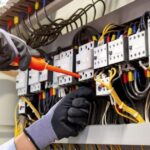
Electricity powers our daily lives at home and in the workplace. From lighting and appliances to computers and security systems, we depend on a safe electrical setup. However, electrical accidents remain one of the leading causes of fires and property damage worldwide. Whether you are a homeowner or an office manager, understanding and practicing basic electrical safety tips can protect lives, equipment, and property. Why Electrical Safety Matters Prevents Fire Hazards: Faulty wiring, overloaded sockets, and neglected systems often trigger electrical fires. Protects Lives: Reduces risks of shocks and electrocution. Saves Costs: Prevents equipment damage and expensive repairs. Ensures Compliance: Meets safety regulations and workplace standards. Top Electrical Safety Tips 1. Avoid Overloading Circuits Plugging too many devices into one outlet or extension cord is risky. Overloaded circuits can overheat and spark fires. ✅ Tip: Spread appliances across different outlets and invest in power strips with surge protection. 2. Inspect Cords and Outlets Regularly Frayed, cracked, or exposed wires are dangerous. Loose outlets may cause arcing (sparks). ✅ Tip: Replace damaged cords and repair faulty outlets immediately. Never run cords under rugs or through doors. 3. Use Ground Fault Circuit Interrupters (GFCIs) Bathrooms, kitchens, and outdoor areas are high-risk zones for electric shocks. ✅ Tip: Install GFCIs to cut off power instantly when irregular current is detected. 4. Practice Safe Appliance Use Leaving appliances on for too long or misusing them increases electrical risks. ✅ Tip: Unplug unused devices, avoid using faulty equipment, and follow manufacturer guidelines. 5. Ensure Proper Grounding Without grounding, excess electricity during surges has nowhere to go, increasing the risk of electrocution. ✅ Tip: Hire an electrician to check that your home or office wiring is properly grounded. 6. Schedule Regular Electrical Maintenance Electrical systems deteriorate over time. Regular inspections detect hidden problems before they escalate. ✅ Tip: Homeowners should schedule yearly checks, while office managers should arrange quarterly inspections for safety compliance. 7. Educate Family Members and Staff Many accidents happen due to ignorance such as handling appliances with wet hands or using unsafe shortcuts. ✅ Tip: Train children, employees, and coworkers on electrical safety basics. Safety Checklist for Homeowners and Office Managers Don’t overload outlets Replace damaged cords immediately Install surge protectors and GFCIs Hire licensed electricians for repairs Conduct regular safety inspections Keep water away from electrical equipment Train household members and staff on safety rules Final Thoughts Electrical safety is not optional—it’s essential. By following these simple yet powerful tips, homeowners and office managers can reduce risks, protect valuable equipment, and safeguard lives. Remember: Prevention is always cheaper and safer than dealing with an accident. Invest in electrical safety today for peace of mind tomorrow.

Modern Wiring Solutions for Smart Homes and Offices

  The way we live and work has changed dramatically in the last decade. With the rise of smart devices, home automation, and energy-efficient technologies, the need for modern wiring solutions has never been greater. Outdated electrical systems are no longer enough to power the demands of today’s smart homes and digital offices. In this article, we’ll explore the importance of upgrading wiring systems, the features of modern wiring, and how it supports a safe, efficient, and future-ready lifestyle. Why Modern Wiring Matters Traditional wiring was designed to handle basic electrical loads lights, fans, and a few appliances. But today, homes and offices rely on: Smart lighting and voice-controlled devices Multiple laptops, smart TVs, and gaming consoles High-speed internet and data cabling Energy-efficient appliances and HVAC systems Security systems and CCTV cameras Without modern wiring, these systems can cause frequent power trips, overheating, or even fire hazards. Key Features of Modern Wiring Solutions 1. Structured Cabling Systems A structured cabling setup neatly organizes power, data, and communication lines in one system. This makes offices more efficient and reduces clutter in smart homes. 2. Smart Switches and Sockets Modern wiring supports smart switches and sockets that allow remote control of lights, fans, and appliances via mobile apps or voice assistants like Alexa and Google Home. 3. Energy-Efficient Wiring High quality copper wiring, combined with proper load management, reduces energy waste and lowers electricity bills while improving safety. 4. Integration with Renewable Energy With the rise of solar energy systems, modern wiring makes it easier to connect panels, inverters, and backup batteries seamlessly into your electrical setup. 5. Future Ready Design Modern wiring accounts for future technology needs, such as electric vehicle (EV) charging stations, IoT (Internet of Things) devices, and home automation upgrades. Benefits of Upgrading to Modern Wiring Safety: Reduces risks of shocks, surges, and electrical fires. Convenience: Enables automation and remote control of devices. Energy Savings: Supports efficient power distribution. Connectivity: Ensures reliable internet, communication, and device integration. Property Value: Increases the market value of homes and makes offices more attractive to tenants or employees. Smart Wiring Tips for Homes and Offices Plan Ahead: Consider both current and future needs before wiring. Use Quality Materials: Always choose wires, switches, and circuit breakers from trusted brands. Hire Professionals: Avoid DIY wiring certified electricians ensure compliance with safety codes. Schedule Maintenance: Regular electrical inspections prevent hazards and extend system lifespan. Final Thoughts As homes and offices become smarter, the demand for modern wiring solutions will only increase. Upgrading your wiring today not only enhances safety and efficiency but also prepares your property for the future of technology.

Common Wiring Mistakes in Homes and Offices and How to Avoid Them

    Electrical wiring is the backbone of every modern building. From powering lights and appliances at home to supporting computers and heavy machinery in offices, safe wiring ensures smooth operations and protects lives. Unfortunately, many electrical accidents stem from common wiring mistakes that could have been prevented with the right knowledge and professional help. In this article, we’ll explore the most frequent wiring errors found in homes and offices and how to avoid them. 1. Using Wrong Wire Sizes Mistake: Many DIY installations or rushed jobs use wires that are too small for the amount of current they carry. This creates overheating, which can lead to fires. Solution: Always use wires that match the load requirements. For instance, heavy appliances like air conditioners, heaters, and refrigerators require thicker wires. Consulting an electrician ensures you use the correct gauge for safety. 2. Overloading Power Outlets Mistake: Plugging too many devices into one outlet or extension cord is common in offices and homes with multiple gadgets. This overloads the circuit and increases the risk of short circuits and fire outbreaks. Solution: Distribute electrical loads across different outlets and circuits. Where necessary, install additional outlets instead of depending on one power strip. 3. Poor or Loose Connections Mistake: Loose connections inside sockets, switches, or junction boxes can cause arcing (sparks), leading to overheating and eventual fire. Solution: Ensure all connections are tight and secure. A qualified technician should regularly check for signs of burnt outlets, flickering lights, or buzzing sounds warning signs of loose wiring. 4. Ignoring Grounding Mistake: Some homes and offices lack proper grounding, which means excess electricity has nowhere to go during a surge. This puts people and equipment at risk. Solution: Always install a proper grounding system. Grounding protects both humans and sensitive electronics from electric shock and damage. 5. Hiding or Burying Junction Boxes Mistake: To achieve a “neat” look, some people cover or bury junction boxes behind walls or ceilings. This makes it difficult to troubleshoot wiring problems later. Solution: Junction boxes should always remain accessible. They protect connections and allow easy repairs when needed. 6. Mixing Old and New Wiring Mistake: Renovated buildings often combine old, outdated wiring with new installations. This mismatch can create imbalances and hidden dangers. Solution: If renovating, replace outdated wiring with modern, insulated wires that meet current safety standards. A full rewiring may seem expensive but is far cheaper than fire damage. 7. DIY Electrical Work Mistake: Many homeowners and small business owners attempt electrical wiring themselves without proper training. This often leads to unsafe shortcuts and dangerous results. Solution: Always hire a licensed electrician for installations, repairs, and inspections. Professional work ensures compliance with safety codes and reduces risks. Why Avoiding Wiring Mistakes Matters Safety first: Prevents shocks, burns, and fire hazards. Cost savings: Protects appliances and equipment from damage. Energy efficiency: Proper wiring reduces waste and lowers electricity bills. Peace of mind: Knowing your system is safe reduces stress at home or work.

Electrical installation

The Importance of Regular Electrical Maintenance: Preventing Hazards Before They Happen

Electricity powers nearly every aspect of modern life from the lights in our homes and offices to the equipment that keeps businesses running. Yet, many people only think about their electrical systems when something goes wrong. Unfortunately, by the time a problem becomes obvious, it may already have caused costly damage or posed serious safety risks. This is why regular electrical maintenance is not just important, but essential for both homes and businesses. 1. Preventing Electrical Hazards Faulty wiring, overloaded circuits, and outdated electrical components are some of the leading causes of electrical fires and accidents. Regular inspections help detect these hidden dangers early. A licensed professional can identify issues such as frayed wires, loose connections, or improper grounding before they escalate into fire outbreaks, electric shocks, or system failures. 2. Reducing Downtime and Costly Repairs For businesses, unexpected electrical breakdowns can halt operations, leading to lost revenue. At home, they can damage appliances and disrupt daily life. Regular maintenance helps ensure that systems run efficiently, reducing the risk of sudden failures and saving money in the long run by avoiding major repairs or replacements. 3. Prolonging Equipment Lifespan Electrical appliances, machinery, and even the wiring infrastructure itself last longer when properly maintained. Dust buildup, overheating, and power surges can shorten the life of expensive equipment. Preventive maintenance ensures that everything runs within safe limits, extending the service life of both small household devices and large industrial machines. 4. Improving Energy Efficiency Poorly maintained electrical systems often consume more energy than necessary. For example, faulty wiring or outdated systems can lead to power leaks and higher utility bills. Regular servicing ensures that your system operates efficiently, helping you save money while reducing your environmental footprint. 5. Staying Compliant with Safety Standards In many industries, regular electrical maintenance is not just recommended—it’s required by law. Compliance with safety standards protects workers, customers, and property. Regular checks ensure you meet regulatory requirements, avoid penalties, and maintain a safe working environment. 6. Peace of Mind Perhaps the most important benefit is peace of mind. Knowing that your electrical system has been inspected and cleared of potential hazards allows you to focus on work, family, and other priorities without worrying about hidden dangers. Regular electrical maintenance is not an expense.it’s an investment in safety, efficiency, and reliability. By scheduling routine inspections and servicing, you protect lives, safeguard property, and avoid unnecessary costs. Whether at home or in the workplace, prevention is always better than cure, especially when it comes to electricity.

Home Automation

Smart Home Appliances Installation in Nigeria: What You Need to Know Before Getting Started

  As technology advances, smart home appliances are becoming increasingly popular in Nigeria. However, installing these devices comes with unique challenges and considerations specific to the Nigerian context. This comprehensive guide will help you navigate the complexities of smart home technology in Nigeria. Current Smart Home Landscape in Nigeria Market Overview Growing urban adoption of smart technologies Increasing middle-class interest in home automation Challenges with infrastructure and connectivity Emerging local and international smart device markets Key Considerations Before Installation 1. Electrical Infrastructure Critical factors to address: Unstable power supply Frequent voltage fluctuations Need for robust surge protection Recommended backup power solutions: Inverter systems Uninterruptible Power Supply (UPS) Solar power integration 2. Internet Connectivity Essential connectivity requirements: Reliable high-speed internet Minimum recommended speeds: 10 Mbps for basic smart devices 25 Mbps for advanced home automation Consider multiple internet service providers Invest in reliable Wi-Fi routers Explore mobile data backup options Essential Smart Home Devices for Nigerian Homes Recommended Starter Devices Smart security cameras Smart thermostats Smart plugs and switches Smart lighting systems Smart refrigerators Smart door locks Installation Preparation Checklist Technical Requirements Stable electrical connections Consistent internet connectivity Proper grounding systems Surge protection devices Compatible electrical outlets Adequate network coverage Budget Considerations Initial device costs Installation expenses Ongoing maintenance Potential electricity consumption Recommended budget range: ₦500,000 – ₦2,000,000 Connectivity and Compatibility Network Setup Use dual-band routers (2.4 GHz and 5 GHz) Create separate IoT network Implement strong network security Use VPN for additional protection Device Compatibility Check local frequency standards Verify international device compatibility Consider devices with multiple connectivity options Prioritize devices with local language support Potential Challenges Infrastructure Limitations Inconsistent power supply Limited technical support Potential import challenges Higher device costs compared to international markets Mitigation Strategies Invest in quality surge protectors Purchase devices with battery backup Choose locally available brands Develop relationship with reliable technical support Security Considerations Cybersecurity Measures Use strong, unique passwords Enable two-factor authentication Regularly update device firmware Monitor network traffic Use dedicated IoT security solutions Physical Security Secure device installations Protect against potential theft Use tamper-resistant mounting Implement comprehensive home security systems Cost-Effective Implementation Strategies Phased Approach Start with essential devices Gradually expand smart home ecosystem Budget for incremental upgrades Prioritize high-impact devices Local vs. Imported Devices Compare local and imported options Consider warranty and support Evaluate long-term maintenance costs Check import regulations and taxes Recommended Local and International Brands Reliable Smart Home Brands Local Brands: Jumia Smart Home Konga Electronics International Brands: Google Nest Amazon Echo Philips Hue Samsung SmartThings Professional Installation Services When to Seek Professional Help Complex system integration Large-scale home automation Advanced security requirements Limited technical expertise Finding Reliable Installers Check professional certifications Read customer reviews Verify technical expertise Request comprehensive quotes Confirm after-sales support Maintenance and Support Regular Maintenance Tips Monthly system checks Firmware updates Network security audits Performance monitoring Battery and device replacement Conclusion Smart home appliance installation in Nigeria requires careful planning, investment, and understanding of local technological landscapes. By following this comprehensive guide, you can successfully navigate the challenges and enjoy the benefits of home automation.