Service by Energymall

Solar water pumps

The Right Pump for the Job: Choosing Between Submersible, Surface, and Booster Solar Water Pumps

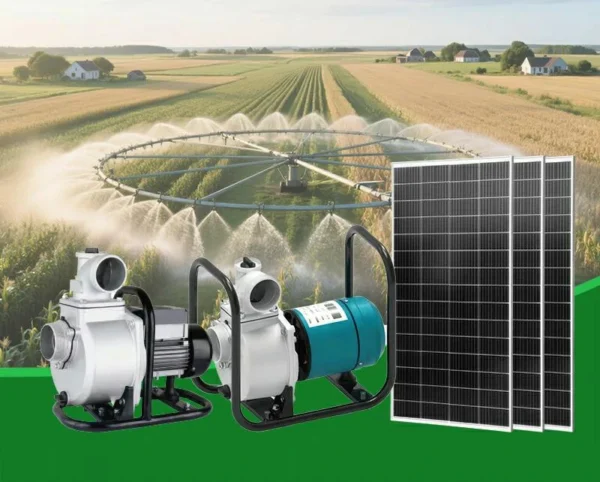
  When it comes to solar water pumps, there are several options to choose from, each with its own unique characteristics and benefits. Whether you’re a farmer, a homeowner, or a business owner, selecting the right solar water pump can be a daunting task. In this article, we’ll explore the differences between submersible, surface, and booster solar water pumps, and help you choose the best one for your needs. Submersible Solar Water Pumps Submersible solar water pumps are designed to be submerged in water, making them ideal for deep wells or boreholes. They’re often used for irrigation, livestock watering, and drinking water supply. Here are some benefits of submersible solar water pumps: – Efficient: Submersible pumps are efficient and can pump water from deep depths. – Low Maintenance: They’re designed to be durable and require minimal maintenance. – Quiet Operation: Submersible pumps operate quietly, making them suitable for residential areas. Surface Solar Water Pumps Surface solar water pumps are installed above ground and are suitable for shallow water sources. They’re often used for irrigation, drainage, and water supply. Here are some benefits of surface solar water pumps: – Easy to Install: Surface pumps are relatively easy to install and maintain. – Accessible: They’re accessible for maintenance and repairs. – Flexible: Surface pumps can be used for a variety of applications. Booster Solar Water Pumps Booster solar water pumps are designed to increase water pressure in existing systems. They’re often used in irrigation systems, water supply systems, and firefighting systems. Here are some benefits of booster solar water pumps: – Increased Pressure: Booster pumps increase water pressure, making them ideal for systems that require high pressure. – Improved Flow Rate: They can improve the flow rate of water in existing systems. – Energy Efficiency: Booster pumps can be energy-efficient, especially when powered by solar energy. Choosing the Right Pump When choosing a solar water pump, consider the following factors: – Water Source: Determine the type of water source you have, such as a well, borehole, or surface water. – Head and Flow Rate: Calculate the head and flow rate required for your system. – Power Requirements: Determine the power requirements of your pump and ensure that your solar panel system can meet those requirements. – Application: Consider the specific application of the pump, such as irrigation, drinking water supply, or industrial use.

Don’t Let These Mistakes Drain Your Budget: Top 5 Mistakes to Avoid When Installing a Water Pump

  Installing a water pump can be a daunting task, especially when you’re dealing with a solar or electric system. One wrong move, and you could end up with a system that’s inefficient, unreliable, or even hazardous. Mistake #1: Incorrect Sizing Choosing the right size of water pump is crucial for efficient operation. A pump that’s too small won’t be able to meet your water needs, while a pump that’s too large will waste energy and increase costs. To avoid this mistake, calculate your water requirements carefully and choose a pump that matches your needs. Mistake #2: Poor Location The location of your water pump can significantly impact its performance and longevity. Avoid installing your pump in areas that are prone to flooding, extreme temperatures, or dust. Also, ensure that the pump is easily accessible for maintenance and repairs. Mistake #3: Inadequate Power Supply A stable power supply is essential for the proper functioning of your water pump. Ensure that your power supply matches the pump’s requirements, and consider investing in a backup power source, such as a battery or generator, to ensure continuous operation during power outages. Mistake #4: Incorrect Piping The piping system is a critical component of your water pump installation. Ensure that the pipes are sized correctly, and that they’re installed properly to avoid leaks, kinks, and other issues. Also, consider using pipes that are resistant to corrosion and damage. Mistake #5: Lack of Maintenance Planning Regular maintenance is essential to ensure the longevity and efficiency of your water pump. Develop a maintenance plan that includes regular checks, cleaning, and repairs. This will help you identify and address issues before they become major problems. Final Tips – Consult a Professional: If you’re not experienced in installing water pumps, consider consulting a professional to ensure a successful installation. – Follow Manufacturer Instructions: Always follow the manufacturer’s instructions for installation, maintenance, and repair. – Test the System: Test the system thoroughly before putting it into operation to ensure it’s working correctly.  

Solar water pumps

The Great Debate: Solar vs Diesel Water Pumps for Rural Water Supply

  When it comes to providing a reliable source of water for rural communities, the choice between solar and diesel water pumps is a crucial one. Both options have their pros and cons, but which one is better suited for rural water supply? In this article, we’ll explore the differences between solar and diesel water pumps, and help you decide which one is the best fit for your needs. The Challenges of Rural Water Supply Rural communities often face significant challenges when it comes to accessing clean and reliable water. Diesel-powered water pumps have been a common solution, but they come with their own set of problems. Diesel pumps require regular fuel deliveries, which can be expensive and logistically challenging. Additionally, diesel pumps contribute to greenhouse gas emissions and air pollution, which can have negative impacts on both human health and the environment. The Benefits of Solar Water Pumps Solar water pumps offer a promising alternative to diesel pumps. Here are some benefits of solar water pumps: – Renewable Energy Source: Solar water pumps harness the power of the sun, providing a clean and renewable source of energy. – Zero Fuel Costs: With solar water pumps, you don’t need to worry about fuel costs or logistics. – Low Maintenance: Solar water pumps have fewer moving parts than diesel pumps, which means they require less maintenance and are less prone to breakdowns. – Environmental Benefits: Solar water pumps produce no greenhouse gas emissions or air pollution, making them a more sustainable option. The Benefits of Diesel Water Pumps While solar water pumps have their advantages, diesel water pumps also have their own benefits. Here are some of the benefits of diesel water pumps: – High Power Output: Diesel water pumps can provide high power output, making them suitable for large-scale water supply projects. – Reliability: Diesel water pumps are often more reliable than solar water pumps, especially in areas with limited sunlight. – Wide Availability: Diesel water pumps are widely available and can be easily sourced from local markets. Comparison of Solar and Diesel Water Pumps When comparing solar and diesel water pumps, it’s essential to consider the following factors: – Cost: While diesel water pumps may be cheaper to purchase upfront, solar water pumps can save you money in the long run by eliminating fuel costs. – Reliability: Diesel water pumps may be more reliable in areas with limited sunlight, but solar water pumps can provide a reliable source of water during the day. – Environmental Impact: Solar water pumps are a more sustainable option, producing no greenhouse gas emissions or air pollution.   Both solar and diesel water pumps have their pros and cons. Solar water pumps offer a clean and renewable source of energy, while diesel water pumps provide high power output and reliability. When choosing between the two, it’s essential to consider your specific needs and circumstances. If you’re looking for a sustainable and cost-effective solution for rural water supply, solar water pumps may be the better option. However, if you need high power output and reliability, diesel water pumps may be more suitable. Ultimately, the choice between solar and diesel water pumps depends on your specific requirements and priorities. By considering the benefits and drawbacks of each option, you can make an informed decision that meets your needs and contributes to a more sustainable future.

Solar water pumps

Harnessing the Power of the Sun: A Step-by-Step Guide to Installing a Solar Water Pump System

  Imagine having a reliable source of water for your crops or household, powered by the sun’s energy. No more worrying about fuel costs or environmental impact. With a solar water pump system, you can enjoy a sustainable and cost-effective solution for your water needs. Step 1: Assess Your Water Requirements Before diving into the installation process, it’s essential to determine your water requirements. Consider factors like: – Water Source: Identify the source of water, whether it’s a well, borewell, or pond. – Daily Water Needs: Calculate the volume of water required for your crops or household. – Head and Flow Rate: Determine the total head (depth) and flow rate required for your pump. Step 2: Choose the Right Solar Water Pump With your water requirements in mind, select a solar water pump that meets your needs. Consider: – Pump Type: Submersible or surface pumps, each designed for specific applications. – Power Capacity: Match the pump’s power requirements with the solar panel capacity. – Flow Rate and Head: Ensure the pump can handle the required flow rate and head. Step 3: Select and Install Solar Panels Solar panels are the heart of your solar water pump system. Consider: – Panel Capacity: Choose panels that match the pump’s power requirements. – Panel Orientation: Optimize panel orientation for maximum sunlight exposure. – Mounting Structure: Install a sturdy mounting structure to hold the panels in place. Step 4: Install the Pump and Connect Components Install the pump and connect the components, including: – Pump Installation: Follow the manufacturer’s instructions for installing the pump. – Pipeline Connection: Connect the suction and delivery pipelines to the pump. – Wiring: Connect the solar panels to the pump controller and ensure proper wiring. Step 5: Set Up Water Storage and Distribution Efficient water storage and distribution are crucial for maximizing the benefits of your solar water pump system. Consider: – Water Storage Tanks: Install tanks to store pumped water for later use. – Distribution Network: Set up a network of pipes, valves, and sprinklers to distribute water. Step 6: Test and Commission the System Once all components are installed, test and commission the system: – Initial Checks: Verify the system’s functionality and performance. – Performance Monitoring: Monitor the system’s performance and make adjustments as needed. Step 7: Maintain and Monitor the System Regular maintenance is essential to ensure the system’s longevity: – Panel Cleaning: Clean the panels regularly to maintain efficiency. – System Checks: Perform regular checks on the system’s components. – Troubleshooting: Identify and address any issues promptly.

Solar water pumps

The Sunshine Solution: How Solar Water Pumps Are Changing Lives in Nigeria

  Can you imagine being a farmer in Nigeria, struggling to grow your crops due to unpredictable rainfall and high fuel costs? For many Nigerian farmers, this is a harsh reality. But, there’s a new dawn breaking – solar water pumps are revolutionizing agriculture in Nigeria, offering a reliable, cost-effective, and eco-friendly solution. The Pain of Traditional Irrigation Methods Traditional irrigation methods in Nigeria rely on fuel-powered pumps, which are expensive and contribute to greenhouse gas emissions. The cost of fuel is a significant burden for many farmers, and the environmental impact is a growing concern. With climate change making rainfall patterns unpredictable, farmers struggle to plan and manage their crops effectively. The Joy of Solar Water Pumps Solar water pumps are a game-changer for Nigerian farmers. By harnessing the power of the sun, these pumps provide a reliable and cost-effective way to irrigate crops. Here are just a few benefits: – Save Money: No more fuel costs! Solar water pumps eliminate the need for expensive fuel, increasing profit margins for farmers. – Boost Productivity: With a reliable source of water, farmers can plan and manage their crops more effectively, leading to increased productivity and better yields. – Help the Environment: Solar water pumps are a clean and renewable source of energy, reducing greenhouse gas emissions and mitigating the impact of climate change. – Improve Food Security: By increasing crop yields and improving agricultural productivity, solar water pumps can help improve food security in Nigeria. Real-Life Success Stories Meet Alex Oparinde and Kehinde Lawrence, two Nigerian farmers who’ve experienced the benefits of solar water pumps firsthand. Alex, a farmer in Oyo State, used solar energy to irrigate his crops, ensuring a consistent water supply and increasing his yields. Kehinde, a farmer in Ogun State, hosts farm visits to showcase the benefits of solar-powered irrigation and encourages other farmers to adopt this technology. Government Support The Nigerian government is also playing a role in promoting the adoption of solar water pumps. The National Agency for Science and Engineering Infrastructure (NASENI) has developed a cost-effective solar irrigation pump that provides a sustainable and reliable source of water for crops. This initiative aims to increase agricultural productivity, reduce operational costs, and improve farmers’ livelihoods. Challenges and Opportunities While solar water pumps offer many benefits, there are still challenges to overcome. The high upfront cost of solar panels and pumps can be a barrier for many farmers. Additionally, theft and lack of awareness about the benefits of solar technology pose significant challenges. However, with the right support and incentives, solar water pumps can become a vital tool for Nigerian farmers, helping to improve agricultural productivity and food security. The Future is Bright Solar water pumps are transforming agriculture in Nigeria, providing a reliable, cost-effective, and environmentally friendly solution for farmers. With the benefits of reduced costs, increased productivity, and improved food security, solar water pumps are poised to play a critical role in Nigeria’s agricultural sector. As the government and private sector continue to promote the adoption of solar water pumps, we can expect to see a significant impact on the lives of Nigerian farmers and the country’s food security.

Installing a Smart Lighting System on a Budget: A Guide for Nigerian Homes

Smart lighting is no longer reserved for luxury homes or tech enthusiasts. With affordable options now available in Nigeria, even budget-conscious homeowners can enjoy the benefits of automated lighting—such as energy savings, added security, and modern convenience. If you’re looking to install a smart lighting system without overspending, this guide is for you. Step 1: Start Small and Prioritise Key Areas You don’t need to overhaul your entire home at once. Begin with one or two rooms—preferably high-traffic areas like your living room, entrance, or bedroom. This helps you manage costs while still experiencing the convenience of smart lighting. Step 2: Choose Budget-Friendly Brands Several affordable smart lighting brands are available in Nigeria, including Tuya, Sonoff, Sollactec, and Xiaomi. These brands offer reliable smart bulbs, plugs, and switches that work well with popular platforms like Google Assistant and Amazon Alexa. •Tuya Smart Bulbs: Widely available and easy to set up. •Sonoff Smart Switches: Good for converting existing wall switches into smart ones. •Sollactec LED Bulbs: Local brand with competitive pricing. •Xiaomi LED Strips and Bulbs: Offers sleek designs and long-lasting performance. Prices typically range from ₦5,000 to ₦15,000 per device, making it possible to build your system gradually. Step 3: Use Smart Plugs for Existing Fixtures If you already have lamps or light fixtures, a smart plug is a cost-effective way to control them remotely. Simply plug your lamp into the smart plug, connect it to your Wi-Fi through a compatible app, and you’re good to go—no electrician needed. Step 4: Download a Free Smart Home App Most smart devices are controlled through free apps like Tuya Smart, Smart Life, or Mi Home. These apps allow you to: •Turn lights on/off remotely •Set timers and schedules •Group lights by room or function •Integrate with voice assistants if available Step 5: DIY Installation Where Possible Smart bulbs are plug-and-play—just screw them in like regular bulbs. Smart plugs are equally simple. If you’re installing smart switches and you’re unsure about wiring, hire a local electrician for safety. Final Thoughts Installing a smart lighting system in Nigeria doesn’t have to cost a fortune. With strategic planning and the right products, you can build a system that fits your budget and lifestyle. Start small, use smart plugs where possible, and upgrade over time. With each new device, you’ll experience greater convenience, security, and energy savings—one light at a time.

Top 5 Smart Lighting Brands Available in Nigeria—and How to Install Them

As smart home technology gains traction in Nigeria, smart lighting has emerged as one of the most accessible and impactful upgrades for homeowners. From energy efficiency to added convenience and enhanced security, smart lighting is changing how Nigerians illuminate their homes. But with a growing number of brands entering the market, choosing the right one—and knowing how to install it—can feel overwhelming. Here’s a guide to the top 5 smart lighting brands available in Nigeria and how you can set them up easily in your home. 1. Tuya Smart Tuya is one of the most popular smart home ecosystems in Nigeria. Their lighting products include smart bulbs, LED strips, downlights, and smart switches. Tuya-powered devices are often white-labelled under various names but can be controlled via the Tuya Smart or Smart Life app. Why Nigerians Like It: •Affordable and widely available •Works with Alexa and Google Assistant •Reliable mobile app interface Installation Tips: •Download the Tuya Smart or Smart Life app. •Screw in the smart bulb or connect the switch. •Power it on and follow the app’s prompts to add the device. •Connect to Wi-Fi and test with voice or app commands. 2. Sonoff Sonoff is a well-known brand for DIY smart lighting and automation. It offers smart switches, relays, and bulbs that can convert regular lighting setups into smart systems. Why Nigerians Like It: •Budget-friendly options •Ideal for converting existing fixtures •Works with eWeLink app, Alexa, and Google Assistant Installation Tips: •Requires some electrical knowledge if using relays or switches. •For basic setup, plug in a smart bulb or use a smart plug. •Download the eWeLink app and pair the device via Wi-Fi. •Configure automation and schedules as needed. 3. Sollactec Sollactec is a Nigerian brand offering smart lighting products tailored to the local market. Their solutions often come pre-configured with Tuya software, ensuring compatibility with popular apps. Why Nigerians Like It: •Local support and after-sales service •Designed for Nigeria’s power systems •Sleek and durable designs Installation Tips: •Install bulbs or switches as instructed (some may need an electrician). •Use the Smart Life or Tuya Smart app. •Sync to your Wi-Fi and begin controlling remotely. 4. Xiaomi (Mi Home) Xiaomi’s smart lighting range includes bulbs, ceiling lights, and LED strips. These products are stylish, efficient, and integrate with the Mi Home app and Google Assistant. Why Nigerians Like It: •High-quality build and longevity •Intuitive app interface •Offers additional ecosystem products like cameras and sensors Installation Tips: •Install the bulb or fixture. •Download the Mi Home app. •Add the device, connect to Wi-Fi, and name the lighting zone. •Set schedules or link with voice assistants. 5. Philips Hue Though premium, Philips Hue offers one of the most advanced smart lighting experiences. With its color-changing options and integration with third-party apps, it’s popular among tech enthusiasts. Why Nigerians Like It: •Rich features and lighting effects •Excellent reliability and integration •Expandable system with sensors and light strips Installation Tips: •Requires the Philips Hue Bridge for full functionality. •Set up the Bridge and connect it to your router. •Install Hue bulbs and use the Hue app to configure zones, moods, and automation. Final Tips for Installation and Use •Stable Wi-Fi is essential for smart lighting systems to work properly. •Always follow safety precautions when dealing with electrical installations—call an electrician for complex setups.

Smart vs Traditional Lighting: Why Nigerians Are Making the Switch

More Nigerians are moving away from traditional lighting setups and embracing smart lighting solutions. This shift is being driven by the desire for convenience, energy efficiency, and better control over electricity usage. Understanding the Difference Traditional lighting involves the use of regular incandescent, fluorescent, or LED bulbs operated manually with wall switches. They offer basic functionality—on and off, sometimes with dimmers. Smart lighting, on the other hand, goes beyond just illumination. It allows users to control lights remotely via smartphone apps, voice assistants like Alexa or Google Assistant, or even automated schedules. Smart lights often come with features like dimming, color change, motion sensors, and energy usage tracking. Why the Switch is Happening in Nigeria 1.Energy Management: With rising electricity tariffs and the high cost of running generators, Nigerians are increasingly conscious of energy usage. Smart lighting uses LED technology, which consumes significantly less power. Additionally, features like motion detection and scheduling help ensure lights are only on when needed, reducing waste. 2.Remote Access and Control: Nigerians with busy schedules or those who travel frequently find remote access extremely beneficial. With smart lighting, users can control their home’s lighting from anywhere in the world. This also helps deter intruders by giving the impression someone is home. 3.Security Enhancement: Many smart lighting systems integrate with home security setups. Motion-activated floodlights, for instance, help illuminate outdoor areas when movement is detected. This boosts home security, especially in areas where theft or trespassing is a concern. 4.Modern Lifestyle Appeal: For tech-savvy Nigerians, smart lighting fits into a modern, connected lifestyle. The ability to control lights with voice commands, automate mood lighting, or integrate with other smart devices adds sophistication and comfort to everyday living. 5.Increased Availability and Affordability: As smart home products become more popular, local availability and pricing have improved. Brands like Tuya, Sonoff, and Sollactec offer affordable options, making smart lighting accessible to middle-income households. Making the Switch Transitioning to smart lighting doesn’t require a full overhaul. You can start small—by replacing traditional bulbs with smart bulbs in key rooms or using smart plugs to control lamps. For homeowners building or renovating, installing smart switches and sensors can future-proof the property. Final Thoughts Smart lighting offers a blend of innovation, savings, and security. As Nigerians look for ways to manage electricity better and live more comfortably, the move from traditional to smart lighting is more than a trend—it’s a smarter way forward.

The Future is Now: How Home Automation is Changing the Way Nigerians Live

Home automation is no longer a concept of the distant future—it’s rapidly becoming a reality in homes across Nigeria. As internet penetration deepens, energy efficiency becomes more crucial, and technology becomes more affordable, Nigerians are embracing smart home solutions to enhance comfort, security, and convenience. What is Home Automation? Home automation refers to the use of smart technology to control household systems and appliances such as lighting, security, climate, entertainment, and even water supply. These devices are usually connected via Wi-Fi or Bluetooth and can be managed through mobile apps, voice assistants like Alexa and Google Assistant, or dedicated control panels. Growing Adoption in Nigeria Urban centers like Lagos, Abuja, and Port Harcourt are seeing a rise in the number of homeowners adopting smart technology. Real estate developers are also beginning to incorporate smart features into new developments, offering prospective buyers a tech-driven lifestyle. With affordable and locally available brands like Tuya, Sonoff, Sollactec, and Xiaomi entering the market, home automation is no longer reserved for the wealthy. How It’s Transforming Nigerian Homes 1.Improved Security: Security is a major concern for many Nigerians, and smart home technology is providing reliable solutions. Automated gate systems, smart door locks, video doorbells, motion detectors, and surveillance cameras allow homeowners to monitor and secure their properties remotely—whether they’re at work or traveling abroad. 2. Energy Efficiency: With erratic power supply and rising fuel and electricity costs, managing energy consumption is critical. Smart lighting systems, automated air conditioning controls, and energy monitors help users track usage, schedule devices, and reduce wastage. 3. Convenience and Comfort: Homeowners can automate lighting to match their routines, adjust room temperatures remotely, or use voice commands to turn on the TV or play music. These conveniences are making daily life more enjoyable and efficient. 4. Remote Control and Monitoring: Whether you’re checking your home from your office or abroad, home automation allows real-time monitoring and control. This is particularly useful for Nigerians in the diaspora managing properties back home. 5. Assistive Living: For elderly family members or individuals with physical limitations, smart homes provide a safer and more supportive environment. From voice-activated controls to automated reminders and emergency alerts, these systems improve quality of life. Getting Started Starting your smart home journey doesn’t have to be overwhelming. Begin with essential areas like smart lighting, security cameras, or a smart plug to automate basic appliances. Choose devices that are compatible with each other, and ensure you have stable internet connectivity. Consider consulting a local home automation expert if you’re installing more complex systems like centralized control panels or integrated sensors. Home automation is revolutionizing the Nigerian lifestyle—bridging the gap between tradition and technology. As more people discover the value of smarter living, the demand for integrated, affordable solutions will only grow. The future is here, and it’s powered by convenience, safety, and control—all from the palm of your hand.

smart-lighting-technology-BASON_975c7536-700f-4eae-afee-8b5c62f804b3

Smart Homes in Nigeria: How to Get Started with Smart Lighting Installation

Whether you’re aiming for convenience, security, energy efficiency, or simply a modern aesthetic, smart lighting provides a solid entry point into home automation. What Is Smart Lighting? Smart lighting refers to lighting systems that can be controlled remotely using a smartphone, tablet, or voice commands through platforms like Google Assistant, Alexa, or Apple HomeKit. These lights often include features like dimming, scheduling, color-changing capabilities, motion detection, and energy monitoring.   Benefits for Nigerian Homes 1.Energy Efficiency: Smart bulbs are typically LED-based, consuming less electricity compared to traditional lighting. With energy costs constantly rising in Nigeria, this can translate to significant savings over time. 2.Remote Control: With smart lighting, you can turn lights on or off from anywhere, ensuring you never leave lights running unnecessarily. 3.Improved Security: Automating lights to come on at specific times or in response to movement can deter intruders and enhance safety.   4. Customisation: Change lighting moods to suit your activities—whether you’re hosting friends, relaxing, or working from home. How to Get Started 1.Assess Your Needs and Budget: Start small. Focus on key areas like your living room, entrance, or bedroom. You can expand later as your needs grow. 2.Choose the Right Platform: Decide which smart ecosystem you want to use. Popular options in Nigeria include Amazon Alexa, Google Home, and Tuya-based systems. Compatibility is key—ensure your bulbs, switches, and apps can work together. 3.Pick Your Devices: •Smart Bulbs: Easy to install and replace, smart bulbs screw directly into your existing sockets. •Smart Switches: These require some electrical work but let you control existing light fixtures remotely. •Sensors and Hubs: Motion sensors or central hubs may be needed depending on your setup and desired features. 4.Installation and Setup: Many devices are plug-and-play, but smart switches may require an electrician. Once installed, follow app instructions to connect the device to your home Wi-Fi. 5.Local Availability: Brands like Philips Hue, Xiaomi, Tuya, Sollactec, and Sonoff are commonly available in Nigerian markets and online stores.