As technology advances, smart home appliances are becoming increasingly popular in Nigeria. However, installing these devices comes with unique challenges and considerations specific to the Nigerian context. This comprehensive guide will help you navigate the complexities of smart home technology in Nigeria.
Current Smart Home Landscape in Nigeria
Market Overview
Growing urban adoption of smart technologies
Increasing middle-class interest in home automation
Challenges with infrastructure and connectivity
Emerging local and international smart device markets
Key Considerations Before Installation
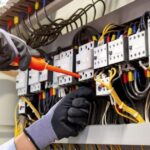
1. Electrical Infrastructure
Critical factors to address:
Unstable power supply
Frequent voltage fluctuations
Need for robust surge protection
Recommended backup power solutions:
Inverter systems
Uninterruptible Power Supply (UPS)
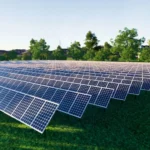
Solar power integration
2. Internet Connectivity
Essential connectivity requirements:
Reliable high-speed internet
Minimum recommended speeds:
10 Mbps for basic smart devices
25 Mbps for advanced home automation
Consider multiple internet service providers
Invest in reliable Wi-Fi routers
Explore mobile data backup options
Essential Smart Home Devices for Nigerian Homes
Recommended Starter Devices
Smart security cameras
Smart thermostats
Smart plugs and switches
Smart lighting systems
Smart refrigerators
Smart door locks
Installation Preparation Checklist
Technical Requirements
Stable electrical connections
Consistent internet connectivity
Proper grounding systems
Surge protection devices
Compatible electrical outlets
Adequate network coverage
Budget Considerations
Initial device costs
Installation expenses
Ongoing maintenance
Potential electricity consumption
Recommended budget range: ₦500,000 – ₦2,000,000
Connectivity and Compatibility
Network Setup
Use dual-band routers (2.4 GHz and 5 GHz)
Create separate IoT network
Implement strong network security
Use VPN for additional protection
Device Compatibility
Check local frequency standards
Verify international device compatibility
Consider devices with multiple connectivity options
Prioritize devices with local language support
Potential Challenges
Infrastructure Limitations
Inconsistent power supply
Limited technical support
Potential import challenges
Higher device costs compared to international markets
Mitigation Strategies
Invest in quality surge protectors
Purchase devices with battery backup
Choose locally available brands
Develop relationship with reliable technical support
Security Considerations
Cybersecurity Measures
Use strong, unique passwords
Enable two-factor authentication
Regularly update device firmware
Monitor network traffic
Use dedicated IoT security solutions
Physical Security
Secure device installations
Protect against potential theft
Use tamper-resistant mounting
Implement comprehensive home security systems
Cost-Effective Implementation Strategies
Phased Approach
Start with essential devices
Gradually expand smart home ecosystem
Budget for incremental upgrades
Prioritize high-impact devices
Local vs. Imported Devices
Compare local and imported options
Consider warranty and support
Evaluate long-term maintenance costs
Check import regulations and taxes
Recommended Local and International Brands
Reliable Smart Home Brands
Local Brands:
Jumia Smart Home
Konga Electronics
International Brands:
Google Nest
Amazon Echo
Philips Hue
Samsung SmartThings
Professional Installation Services
When to Seek Professional Help
Complex system integration
Large-scale home automation
Advanced security requirements
Limited technical expertise
Finding Reliable Installers
Check professional certifications
Read customer reviews
Verify technical expertise
Request comprehensive quotes
Confirm after-sales support
Maintenance and Support
Regular Maintenance Tips
Monthly system checks
Firmware updates
Network security audits
Performance monitoring
Battery and device replacement
Conclusion
Smart home appliance installation in Nigeria requires careful planning, investment, and understanding of local technological landscapes. By following this comprehensive guide, you can successfully navigate the challenges and enjoy the benefits of home automation.