Service by Energymall

Home Automation

Smart Home Appliances Installation in Nigeria: What You Need to Know Before Getting Started

  As technology advances, smart home appliances are becoming increasingly popular in Nigeria. However, installing these devices comes with unique challenges and considerations specific to the Nigerian context. This comprehensive guide will help you navigate the complexities of smart home technology in Nigeria. Current Smart Home Landscape in Nigeria Market Overview Growing urban adoption of smart technologies Increasing middle-class interest in home automation Challenges with infrastructure and connectivity Emerging local and international smart device markets Key Considerations Before Installation 1. Electrical Infrastructure Critical factors to address: Unstable power supply Frequent voltage fluctuations Need for robust surge protection Recommended backup power solutions: Inverter systems Uninterruptible Power Supply (UPS) Solar power integration 2. Internet Connectivity Essential connectivity requirements: Reliable high-speed internet Minimum recommended speeds: 10 Mbps for basic smart devices 25 Mbps for advanced home automation Consider multiple internet service providers Invest in reliable Wi-Fi routers Explore mobile data backup options Essential Smart Home Devices for Nigerian Homes Recommended Starter Devices Smart security cameras Smart thermostats Smart plugs and switches Smart lighting systems Smart refrigerators Smart door locks Installation Preparation Checklist Technical Requirements Stable electrical connections Consistent internet connectivity Proper grounding systems Surge protection devices Compatible electrical outlets Adequate network coverage Budget Considerations Initial device costs Installation expenses Ongoing maintenance Potential electricity consumption Recommended budget range: ₦500,000 – ₦2,000,000 Connectivity and Compatibility Network Setup Use dual-band routers (2.4 GHz and 5 GHz) Create separate IoT network Implement strong network security Use VPN for additional protection Device Compatibility Check local frequency standards Verify international device compatibility Consider devices with multiple connectivity options Prioritize devices with local language support Potential Challenges Infrastructure Limitations Inconsistent power supply Limited technical support Potential import challenges Higher device costs compared to international markets Mitigation Strategies Invest in quality surge protectors Purchase devices with battery backup Choose locally available brands Develop relationship with reliable technical support Security Considerations Cybersecurity Measures Use strong, unique passwords Enable two-factor authentication Regularly update device firmware Monitor network traffic Use dedicated IoT security solutions Physical Security Secure device installations Protect against potential theft Use tamper-resistant mounting Implement comprehensive home security systems Cost-Effective Implementation Strategies Phased Approach Start with essential devices Gradually expand smart home ecosystem Budget for incremental upgrades Prioritize high-impact devices Local vs. Imported Devices Compare local and imported options Consider warranty and support Evaluate long-term maintenance costs Check import regulations and taxes Recommended Local and International Brands Reliable Smart Home Brands Local Brands: Jumia Smart Home Konga Electronics International Brands: Google Nest Amazon Echo Philips Hue Samsung SmartThings Professional Installation Services When to Seek Professional Help Complex system integration Large-scale home automation Advanced security requirements Limited technical expertise Finding Reliable Installers Check professional certifications Read customer reviews Verify technical expertise Request comprehensive quotes Confirm after-sales support Maintenance and Support Regular Maintenance Tips Monthly system checks Firmware updates Network security audits Performance monitoring Battery and device replacement Conclusion Smart home appliance installation in Nigeria requires careful planning, investment, and understanding of local technological landscapes. By following this comprehensive guide, you can successfully navigate the challenges and enjoy the benefits of home automation.

solar water pump

Common Smart Home Appliance Maintenance Tips to Keep Your Devices Running Smoothly

  Smart home appliances have revolutionized how we interact with technology in our living spaces. From refrigerators that can order groceries to thermostats that learn our temperature preferences, these devices offer convenience and efficiency. However, to maintain their performance and longevity, proper maintenance is crucial. General Maintenance Principles 1. Regular Software Updates Smart devices rely heavily on firmware and software: Enable automatic updates when possible Manually check for updates monthly Ensure your home network supports the latest device firmware Review update release notes for new features or security improvements 2. Network and Connectivity Management Maintain a robust network environment for smart devices: Use a dedicated IoT network if possible Regularly restart your router Ensure strong, consistent Wi-Fi signal Use mesh network systems for larger homes Specific Appliance Maintenance Tips Smart Refrigerators Clean condenser coils every six months Check door seals for proper alignment Maintain optimal temperature settings Clear cache and reset smart features annually Clean touchscreens with microfiber cloths Smart Thermostats Replace batteries in wireless sensors Clean dust from external surfaces Calibrate temperature sensors annually Check and replace HVAC filters regularly Verify location doesn’t impact temperature readings Smart Washing Machines and Dryers Run monthly cleaning cycles Check and clean door seals Inspect water inlet hoses for wear Clear lint filters after every use Update firmware to improve wash cycle efficiency Smart Ovens and Ranges Clean touchscreens and sensors carefully Use manufacturer-recommended cleaning solutions Check door seals and hinges Calibrate temperature settings periodically Clear cache and reset smart features annually Smart Security Cameras Clean lens with specialized camera cleaning solutions Check and replace batteries in wireless devices Update firmware regularly Adjust motion detection sensitivity Ensure proper weatherproofing for outdoor units Cybersecurity Maintenance Password and Access Management Change default passwords immediately Use strong, unique passwords for each device Enable two-factor authentication Regularly review connected devices Disconnect unused or unnecessary device connections Network Security Use a separate IoT network Enable firewall protections Regularly update router firmware Use VPN for additional security Monitor network traffic Battery and Power Management Battery-Powered Devices Use manufacturer-recommended batteries Remove batteries during long periods of non-use Store in cool, dry environments Avoid complete battery drainage Consider rechargeable options Electrical Connections Inspect power cables for wear Use surge protectors Avoid overloading electrical circuits Ensure proper ventilation for devices Troubleshooting Common Issues Performance Optimization Factory reset devices experiencing persistent issues Check compatibility with other smart home systems Consult manufacturer support for complex problems Monitor device performance metrics When to Seek Professional Help Unusual noises or performance drops Persistent connectivity issues Physical damage to devices Complex system integration problems Cost-Effective Maintenance Strategies

Solar water pumps

Step-by-Step Guide to Solar Water Pump Installation in Nigeria

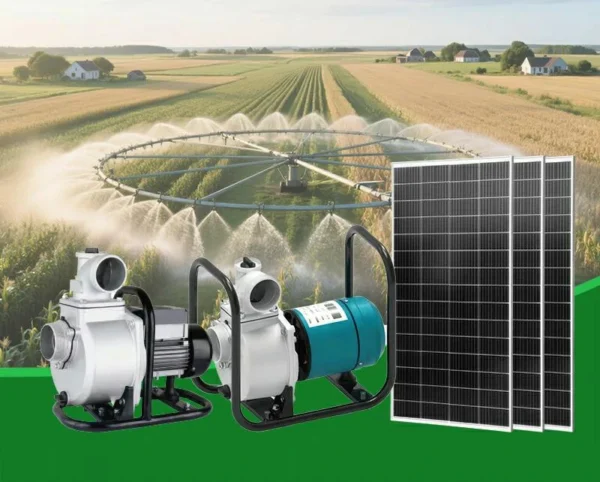
  Solar water pumps represent a transformative technology for rural and agricultural communities in Nigeria, offering a sustainable solution to water access challenges. By harnessing solar energy, these systems provide a reliable water supply without dependence on electrical grids or fossil fuels. This comprehensive guide will walk you through the process of installing a solar water pump in Nigeria. Pre-Installation Assessment Site Evaluation Before beginning installation, conduct a thorough site assessment: Determine water source location (borehole, well, river) Measure water depth and required pumping height Assess daily water requirements Analyze solar radiation levels in the specific region Equipment Selection Choose appropriate components based on site-specific needs: Solar panels (monocrystalline recommended for Nigerian climate) Submersible or surface pump Mounting structures Batteries (optional for storage) Controller and inverter Installation Steps 1. Prepare the Site Clear and level the ground for solar panel installation Ensure proper drainage Create a stable foundation for mounting structures 2. Solar Panel Mounting Position panels to maximize sun exposure Typically facing south with a tilt angle matching local latitude Secure mounting structures firmly to prevent wind damage Ensure panels are at optimal angle for maximum solar radiation 3. Pump and Piping Installation Install submersible pump in well or borehole Use high-quality, corrosion-resistant piping Ensure proper sealing and connection Check for potential leakage points 4. Electrical Connection Connect solar panels to charge controller Link controller to pump system Install protective grounding Use waterproof electrical connections 5. System Testing Conduct initial system startup Verify water flow and pressure Check electrical connections Monitor performance during different sunlight conditions Maintenance Recommendations Regular Maintenance Clean solar panels monthly Inspect electrical connections quarterly Check pump performance annually Replace components as needed Common Troubleshooting Monitor water output Check battery health (if applicable) Inspect for mechanical wear Address any performance drops immediately Cost Considerations Initial Investment Solar panel system: ₦500,000 – ₦2,000,000 Pump and installation: ₦300,000 – ₦1,500,000 Total estimated cost: ₦800,000 – ₦3,500,000 Long-Term Benefits Zero fuel costs Minimal maintenance expenses Environmentally friendly Reliable water supply Potential Challenges in Nigeria Harsh weather conditions Dust accumulation Potential theft of equipment Limited technical expertise Recommended Mitigation Strategies Use robust, weather-resistant equipment Install security measures Provide local training Choose reputable suppliers

Solar systems

Cost of Installing a Solar Water Pump in Nigeria (2025 Price Breakdown)

As Nigeria continues to grapple with unreliable grid power and rising fuel costs, solar water pumps are emerging as the smart, sustainable solution for homes, farms, and communities. But before you take the plunge, one critical question remains: How much will it cost? This 2025 guide breaks down the real cost of installing a solar water pump in Nigeria — including system components, labor, maintenance, and hidden fees so you can budget wisely and make an informed investment. — ## 💡 Why Go Solar for Water Pumping? Before diving into pricing, let’s quickly recap why solar water pumps are gaining traction: – *Zero fuel cost* — sunlight is free! – *Low maintenance* — no moving engine parts like diesel pumps. – *Eco-friendly* — reduces carbon emissions. – *Grid-independent* — works even during blackouts. – *Long-term savings* — pays for itself in 2–4 years. Now, let’s talk numbers. — ## 📊 2025 Solar Water Pump Installation Cost Breakdown (Nigerian Market) The total cost depends heavily on your *water demand, **source depth (borehole/well depth), **daily water volume needed, and **system quality*. Below is a realistic price range based on current 2024 trends and projected 2025 inflation (estimated 15–20% increase). > 💰 All prices are in Nigerian Naira (₦) unless otherwise stated. — ### ✅ 1. SYSTEM CAPACITY & PRICE RANGES (2025 ESTIMATES) | System Size (HP) | Daily Water Output* | Ideal For | Estimated Total Cost (₦) | |——————|———————|————————|—————————| | 0.5 HP | 1,000 – 2,000 Liters | Small homes, gardens | ₦350,000 – ₦600,000 | | 1.0 HP | 3,000 – 5,000 Liters | Medium homes, small farms | ₦700,000 – ₦1,200,000 | | 2.0 HP | 6,000 – 10,000 Liters | Large farms, poultry, community use | ₦1,300,000 – ₦2,500,000 | | 3.0+ HP | 12,000+ Liters | Commercial farms, irrigation schemes | ₦2,800,000 – ₦6,000,000+ | *Output varies based on borehole depth, sunlight hours, and pump efficiency. — ### 🔧 2. COMPONENT COST BREAKDOWN (1.0 HP Example — Mid-Range) Here’s what you’re paying for inside that ₦700,000–₦1.2M package: | Component | Description | Estimated Cost (₦) | |————————|———————————————-|——————–| | *Solar Panels* | 2–4 panels (330W–400W each) | ₦250,000 – ₦400,000 | | *DC/AC Water Pump* | Submersible or surface pump (1 HP) | ₦180,000 – ₦300,000 | | *Controller/Inverter*| MPPT charge controller + pump driver | ₦80,000 – ₦150,000 | | *Mounting Structure* | Aluminum or galvanized steel frame | ₦40,000 – ₦70,000 | | *Cables & Wiring* | PV cables, waterproof connectors, conduits | ₦30,000 – ₦60,000 | | *Installation Labor* | Professional setup, wiring, testing | ₦50,000 – ₦100,000 | | *Transport & Misc.* | Delivery, permits (if any), small tools | ₦20,000 – ₦50,000 | | *Optional Add-ons* | Storage tank, float switch, remote monitor | ₦50,000 – ₦200,000 | > 💡 Note: Prices vary by brand (Chinese vs. European), warranty, and vendor location (Lagos may be cheaper than rural areas due to competition). — ### 🌍 3. Regional Price Variations in Nigeria – *Lagos, Abuja, Port Harcourt*: More vendors = competitive pricing. Expect 5–10% lower costs. – *Northern States (Kano, Kaduna)*: Higher transport/logistics costs may add ₦50,000–₦150,000. – *Rural/Remote Areas*: Limited technicians = higher labor fees. May require advance booking. — ### ⚠ 4. Hidden Costs to Watch Out For Many first-time buyers get surprised by these: – *Borehole/Water Source Prep*: If your borehole isn’t ready or needs casing repair, add ₦100,000–₦500,000. – *Storage Tank*: Not always included. A 1,000–5,000L plastic tank costs ₦80,000–₦300,000. – *Extended Warranty*: Basic warranty is 1 year. Extended (3–5 years) may cost extra. – *Maintenance Contracts*: Optional annual service (cleaning panels, checking pump) — ₦20,000–₦50,000/year. — ### 💰 5. Financing & Government Support (2025 Update) Good news: You don’t have to pay everything upfront. – *Bank Loans*: Some banks (e.g., BOI, FCMB Agric Desk) offer green energy loans at 5–10% interest. – *Government Grants*: Check REA (Rural Electrification Agency) and state-level agricultural programs. – *Vendor Installment Plans*: Many solar companies now offer 3–6 month payment plans (with 10–20% deposit). – *Cooperative Schemes*: Farming co-ops can pool resources for larger community systems. — ## 📈 ROI: How Long Until It Pays for Itself? Let’s compare a 1.0 HP solar pump (₦1M) vs. a diesel pump: | Cost Factor | Diesel Pump (Monthly) | Solar Pump (Monthly) | |——————–|————————|———————–| | Fuel | ₦60,000 | ₦0 | | Maintenance | ₦15,000 | ₦2,000 | | Engine Overhaul | ₦50,000 (every 6 mo) | ₦0 | | *Total Monthly* | *₦125,000 avg* | *₦2,000* | 👉 *Break-even point: 8–12 months!* After that, you’re saving over ₦1.2 million per year. — ## ✅ Tips to Reduce Your Installation Cost 1. *Get Multiple Quotes* — Compare at least 3 reputable vendors. 2. *Buy Off-Season* — Install during rainy season (lower demand = better deals). 3. *Go Local Brands* — Consider Nigerian or Indian brands (e.g., Luminous, Sukam) for mid-range budgets. 4. *DIY Mounting?* — Only if you’re technically skilled. Mistakes can void warranties. 5. *Bundle Deals* — Ask if they offer discounts when buying panels + pump + tank together. — ## 📍 Where to Buy in Nigeria (Trusted Vendors 2025) – *Lumos Nigeria* (Home & SME solutions) – *Arnergy Solar* (Commercial & agri-focused) – *Daystar Power* (Industrial & farm scale) – *Green Village Energy (GVE) Projects* (Rural & community projects) – *JinkoSolar / Canadian Solar Distributors* (For premium panel brands) Always check for NEMSA certification and customer reviews. — ## 🌞 Final Verdict: Is It Worth It in 2025? *Absolutely.* With rising diesel prices, worsening power outages, and increasing climate awareness, a solar water pump is no longer a luxury — it’s a necessity for productivity, health, and financial freedom. While the upfront cost may seem steep, the long-term savings, reliability, and environmental benefits make it one of the wisest investments a Nigerian household, farmer, or community leader can make in 2025. — *📌 Pro Tip:* Start small. Even a 0.5HP system for home use can save you ₦50,000/month on fuel and electricity.

Powering Progress: The Benefits of Solar Water Pump Installation in Nigeria for Homes, Farms, and Communities

  Nigeria, a nation blessed with abundant sunshine, is increasingly turning to solar energy for sustainable solutions. One of the most impactful applications of this renewable resource is the installation of solar water pumps. Beyond simply providing water, these systems offer a wealth of benefits for Nigerian homes, farms, and communities, addressing critical challenges and fostering economic growth. *The Water Challenge in Nigeria* Access to reliable water sources remains a significant hurdle for many Nigerians. Traditional methods – relying on diesel generators, grid electricity (often unreliable), or manual pumping – are often expensive, environmentally damaging, and inefficient. Diesel pumps contribute to pollution and are subject to fluctuating fuel prices. Grid electricity is prone to outages, leaving many without access when they need it most. Manual pumping is labor-intensive and time-consuming. Solar water pumps offer a compelling alternative. *How Solar Water Pumps Work* Solar water pumps utilize photovoltaic (PV) panels to convert sunlight directly into electricity. This electricity powers a pump that draws water from sources like boreholes, wells, rivers, or tanks. The system is relatively simple, requiring minimal maintenance, and operates silently. Crucially, it operates without the ongoing cost of fuel or reliance on a potentially unstable electricity grid.   *Benefits for Nigerian Homes:* * *Reliable Water Supply:* Say goodbye to water shortages! Solar pumps ensure a consistent water supply for daily needs – drinking, cooking, sanitation, and gardening. * *Reduced Electricity Bills:* Eliminate the cost of running electric water pumps, leading to significant savings on monthly electricity bills. * *Increased Property Value:* Installing a solar water pump adds value to your property, showcasing a commitment to sustainability and self-sufficiency. * *Environmentally Friendly:* Reduce your carbon footprint by utilizing a clean, renewable energy source. * *Quiet Operation:* Enjoy peace and quiet – solar pumps operate silently compared to noisy diesel generators. *Benefits for Nigerian Farms:* For Nigerian farmers, access to water is paramount for successful crop yields and livestock management. Solar water pumps are revolutionizing agricultural practices: * *Irrigation for Increased Yields:* Solar pumps enable efficient irrigation, allowing farmers to cultivate crops year-round, even during the dry season, leading to significantly increased yields. * *Reduced Farming Costs:* Eliminate the expense of diesel fuel for irrigation pumps, freeing up capital for other essential farming inputs. * *Expanded Cultivable Land:* Access to reliable water allows farmers to expand their cultivated land and diversify their crops. * *Improved Livestock Management:* Provide a consistent water supply for livestock, improving their health and productivity. * *Sustainable Agriculture:* Promote environmentally friendly farming practices by reducing reliance on fossil fuels. *Benefits for Nigerian Communities:* Solar water pumps can transform entire communities by addressing critical water needs: * *Access to Clean Drinking Water:* Provide safe and reliable access to clean drinking water for entire villages, improving public health and reducing waterborne diseases. * *Community Irrigation Schemes:* Establish community-based irrigation schemes, empowering local farmers and boosting food security. * *Economic Empowerment:* Create local employment opportunities in installation, maintenance, and operation of solar water pump systems. * *Improved Sanitation:* Support improved sanitation practices by providing water for hygiene and sanitation facilities. * *Reduced Social Conflicts:* Minimize conflicts over scarce water resources by ensuring equitable access for all community members. *Government Support and Future Outlook* The Nigerian government is increasingly recognizing the potential of solar energy and is implementing policies to encourage its adoption. Initiatives like the Rural Electrification Agency (REA) are actively promoting off-grid solar solutions, including water pumping systems. As the cost of solar technology continues to decline and awareness grows, the adoption of solar water pumps in Nigeria is expected to accelerate. This will not only address critical water challenges but also contribute to a more sustainable and prosperous future for the nation.   *Where to Learn More:* * *Rural Electrification Agency (REA):* [https://rea.gov.ng/](https://rea.gov.ng/) * *Renewable Energy Association of Nigeria (REAN):* (Search online for their official website) * *Local Solar Energy Companies:* Research reputable solar companies operating in Nigeria.   Investing in solar water pump technology is an investment in Nigeria’s future – a future powered by clean, reliable, and sustainable energy.  

Electrical installation

Types of Electrical Wiring Systems Used in Nigerian Buildings — Pros and Cons

Electrical wiring is the hidden framework that powers every building. In Nigeria, the choice of wiring system affects not just the building’s safety, but also its durability, aesthetics, and maintenance cost. The right system depends on the type of building, its purpose, and the budget. Below are the main electrical wiring systems used in Nigerian homes, offices, and commercial buildings — with their pros and cons. 1. Surface Wiring This involves running insulated cables along the surface of walls or ceilings, usually secured with clips or inside plastic trunking. Pros: •Easy to install and modify. •Low installation cost. •Faults are easy to locate and repair. Cons: •Less aesthetically pleasing compared to concealed systems. •More prone to mechanical damage. •Requires regular cleaning to maintain appearance. Best Use: Temporary installations, workshops, or low-budget projects. 2. Conduit Wiring (PVC or Metal) Cables are drawn through rigid PVC or metal pipes (conduits) that are embedded in walls or mounted on surfaces. This is the most popular system in modern Nigerian buildings. Pros: •Offers strong protection against rodents, moisture, and physical damage. •Provides a neat and concealed finish. •Long-lasting when installed correctly. Cons: •Higher cost and longer installation time. •Repairs can be difficult since cables are concealed. Best Use: Residential homes, offices, and commercial buildings that prioritize safety and aesthetics. 3. Casing and Capping Wiring Here, insulated wires are laid inside wooden or PVC casings and covered with matching caps. This was common in older Nigerian homes. Pros: •Inexpensive and relatively easy to install. •Wires are protected from direct handling. Cons: •Outdated and less durable than conduit wiring. •Vulnerable to termite or moisture damage if wooden casing is used. Best Use: Rarely recommended today; sometimes seen in budget retrofits. 4. Armoured Cable Wiring (SWA) Steel Wire Armoured (SWA) cables have a protective metal layer and are often laid underground or in exposed outdoor areas. Pros: •Extremely durable and resistant to mechanical damage. •Suitable for harsh weather and heavy-duty applications. •Reduces risk of rodent damage. Cons: •More expensive than standard PVC-insulated cables. •Heavier and more difficult to install. Best Use: Outdoor supply lines, industrial facilities, and underground feeds from meters to distribution boards. 5. Trunking Wiring This involves placing cables in enclosed PVC or metal trunking that can be opened for maintenance. Commonly used in offices and commercial spaces. Pros: •Allows easy addition or removal of cables. •Neat and professional appearance. •Protects wires from mechanical damage. Cons: •Higher cost compared to basic surface wiring. •Limited flexibility in some building layouts. Best Use: Office complexes, data centres, and spaces requiring frequent layout changes. In Nigeria, PVC conduit wiring remains the most balanced choice for homes due to its combination of safety, durability, and aesthetics. For outdoor or industrial applications, armoured cables are preferred. While cost is an important factor, safety and compliance with Nigerian Electricity Supply and Installation Standards (NESIS) should always come first.

Electrical installation

Safety Rules for Electrical Wiring in Nigerian Homes and Offices

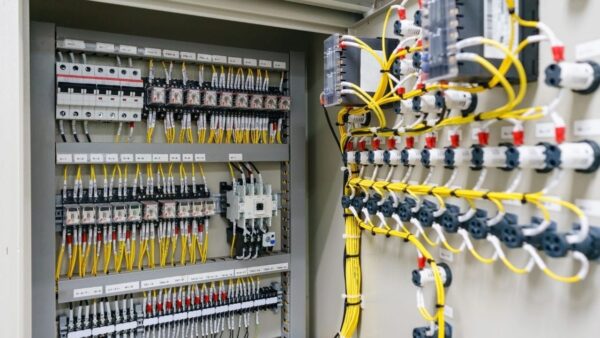
Electrical wiring is the backbone of modern living, powering everything from household appliances to office equipment. In Nigeria, where power supply can be unstable and infrastructure sometimes outdated, adhering to strict safety rules is essential to prevent electrical fires, equipment damage, and life-threatening accidents. Whether in a residential building or a commercial office, safe wiring practices are not optional — they are a necessity. 1. Always Switch Off the Power Supply Before Work Before carrying out any electrical installation or repair, the first step is to switch off the mains supply. This prevents accidental electrocution and ensures the electrician can work without the risk of live current. For extra safety, lock the switchboard or tag it with a “Do Not Switch On” warning until the work is complete. 2. Use the Correct Cable Sizes One of the most common causes of electrical fires in Nigeria is the use of undersized cables that overheat under load. The cable size must match the intended load capacity: •Lighting circuits: 1.5mm² copper cables •Socket outlets: 2.5mm² copper cables •Heavy appliances (e.g., air conditioners, water heaters): 4mm²–6mm² cables Always choose 100% copper cables from trusted brands like Coleman, Cutix, or Nigerchin to ensure durability and conductivity. 3. Install Proper Circuit Protection Devices A safe wiring system is incomplete without: •MCBs (Miniature Circuit Breakers) – Automatically trip when there is excess current. •RCCBs (Residual Current Circuit Breakers) – Protect against electric shocks by detecting leakage currents. •Surge Protectors – Safeguard appliances from voltage spikes caused by lightning or grid fluctuations. These devices must be installed inside a quality distribution board and tested regularly. 4. Follow Nigerian Electrical Standards The Nigerian Electricity Supply and Installation Standards (NESIS) provide guidelines for safe electrical installations. These standards cover cable routing, grounding, spacing of sockets, and the type of materials permitted. Hiring electricians who follow these codes ensures compliance and reduces hazards. 5. Avoid Overloading Sockets Plugging too many high-power appliances into a single socket can cause overheating and eventually lead to fires. Best Practices: •Use power extension boards with overload protection. •Distribute appliances across multiple circuits. •Never connect multiple extensions in a chain (“daisy-chaining”). 6. Ensure Proper Earthing (Grounding) Earthing provides a safe path for excess current to flow into the ground, preventing shocks and equipment damage. All metal parts of electrical installations — such as distribution boards, water heaters, and air conditioners — should be properly earthed. 7. Use Conduit Wiring for Protection In Nigerian homes and offices, PVC conduit wiring is the most common and safest method for protecting cables from rodents, moisture, and mechanical damage. Metal conduits may be used in industrial or high-risk environments for added durability. 8. Keep Electrical Installations Dry and Accessible Electric wiring should never be exposed to water or damp areas unless the cables and fittings are waterproof-rated. Junction boxes, distribution boards, and switches should be positioned away from moisture and easily accessible for inspection and maintenance. 9. Label and Organize Circuits Each circuit in a home or office should be clearly labelled on the distribution board. This makes it easier to isolate faulty circuits without shutting down the entire building’s power supply. 10. Schedule Regular Electrical Inspections Even the best wiring installations can degrade over time. Scheduling professional inspections every 12–18 months ensures early detection of loose connections, worn cables, or faulty protection devices. Offices with heavy electrical loads may require more frequent checks. Extra Safety Tips for Offices •Separate power wiring from data/communication cables to avoid interference. •Use trunking systems for a neat, organized, and safe finish. •Ensure all sockets are at an accessible height and placed strategically to reduce the use of long extension cords. Safe electrical wiring is a combination of quality materials, professional workmanship, and consistent maintenance. In Nigeria’s challenging power environment, cutting corners can have deadly consequences. Whether wiring a new home or upgrading an office, always prioritize safety over cost savings. A properly installed, well-maintained electrical system not only protects lives and property but also ensures that appliances and equipment operate efficiently for years to come.

Electrical installation

How to Hire a Qualified Electrician in Nigeria: Certifications, Questions to Ask, and Red Flags

Hiring an electrician in Nigeria is not just about finding someone who can “connect wires.” A qualified electrician ensures your electrical system is safe, efficient, and compliant with Nigerian regulations. Choosing the wrong person can lead to costly mistakes, fire hazards, or even life-threatening accidents. This guide covers the necessary certifications, key questions to ask, and warning signs to avoid when hiring an electrician in Nigeria. 1. Required Qualifications and Certifications Not all electricians in Nigeria have formal training, but the most reliable ones do. Look out for these credentials: •Trade Test Certificates (I, II, III) – Issued by the Federal Ministry of Labour, these certify technical competence in electrical installation and maintenance. •Technical College/Polytechnic Diploma/University degree– A Bachelor in Science (BSc) or National Diploma (ND) or Higher National Diploma (HND) in Electrical Installation or Electrical/Electronic Engineering indicates formal training. •Apprenticeship Completion Certificate – Some electricians are trained under established masters and issued certificates of completion. •Membership in Professional Bodies – For example, the Nigerian Institution of Electrical Engineers (NIEEE) or the Council for the Regulation of Engineering in Nigeria (COREN) for engineers. While smaller residential projects may not require COREN-registered engineers, complex commercial or industrial works often do. 2. Questions to Ask Before Hiring The interview process is as important as checking documents. Here are essential questions: 1.“Can you show proof of your certifications?” – A genuine professional will gladly provide copies or photos. 2.“Do you have references from previous clients?” – Contact at least two past clients to verify quality and reliability. 3.“What brands of cables and fittings do you recommend?” – Professionals tend to prefer trusted Nigerian brands like Coleman, Cutix, and Nigerchin for durability. 4.“Do you follow Nigerian Electrical Standards (NESIS)?” – This ensures compliance with safety codes. 5.“Will you provide a written quotation and scope of work?” – Helps avoid misunderstandings and unexpected charges. 6.“Do you offer a warranty on your work?” – Reliable electricians often guarantee their work for a set period. 3. Red Flags to Watch Out For Even if someone calls themselves an electrician, certain behaviours suggest you should walk away: •Refusal to provide documentation – Avoid anyone who dismisses the need for certification proof. •Overemphasis on low prices – Extremely cheap rates often mean low-quality materials or unsafe shortcuts. •Recommending aluminum cables for cost savings – Aluminum has higher resistance and is more prone to overheating compared to copper. •Poor communication or impatience with your questions – A true professional should be willing to explain their process. •No protective gear on site – Electricians should use gloves, insulated tools, and safety footwear. 4. Cost Considerations Qualified electricians usually charge more than untrained handymen, but the cost reflects expertise, safety, and quality. For example, wiring labour for a standard three-bedroom flat in Nigeria can cost ₦150,000–₦300,000 depending on complexity and location. Paying more upfront can save you from costly repairs or dangerous faults later. 5. Final Tips for Hiring •Get at least three quotations to compare pricing and materials. •Sign a simple contract detailing work scope, timelines, payment schedule, and safety compliance. •Inspect materials before installation to ensure they match what was quoted. Hiring a qualified electrician in Nigeria requires due diligence. Always check certifications, ask the right questions, and be alert to red flags. Cutting corners in this process can lead to unsafe installations, equipment damage, and even life-threatening accidents. When it comes to electrical work, competence is an investment, not an expense — and your safety depends on it.

Electrical-Installation

Wiring Types Used in Nigerian Homes: Which Is Best for Safety and Durability?

Electrical wiring in Nigeria must withstand high temperatures, fluctuating voltage, and sometimes humid conditions. Choosing the right wiring type impacts both safety and long-term reliability. 1. Common Wiring Types •PVC-Insulated Copper Wires: The most widely used. Brands like Coleman and Cutix offer good heat resistance and durability. •Armoured Cables (SWA – Steel Wire Armoured): Suitable for underground or outdoor installations; provides extra protection against rodents and mechanical damage. •Flexible Cables: Used for appliances and temporary wiring; not ideal for fixed installations. •Heat-Resistant Silicone Cables: Best for areas near heat sources like kitchens or industrial sites. •Low-Smoke Zero Halogen (LSZH) Cables: Safer in case of fire, producing less toxic smoke. 2. Best Choice for Nigerian Homes For most residential applications: •PVC-insulated copper cables for lighting and socket circuits inside conduits. •Armoured cables for main supply from meter to distribution board. 3. Safety Considerations •Always ensure cables are 100% copper — aluminum conductors have higher resistance and overheat faster. •Use the correct cable size for each circuit: •Lighting: 1.5mm² •Sockets: 2.5mm² •High-power appliances (AC, water heater): 4mm² – 6mm². 4. Durability Tips •Avoid exposure to direct sunlight unless UV-protected. •Keep away from moisture unless waterproof rated. •Invest in quality brands with a proven track record.

Electrical-Installation

Cost of Electrical Installation in Nigeria: 2025 Price Breakdown for Materials and Labor

Electrical installation costs in Nigeria vary widely based on the type of building, its size, and the quality of materials used. In 2025, inflation, exchange rates, and rising demand for copper cables have pushed prices higher, making budgeting essential for homeowners and contractors. 1. Materials Electrical materials usually account for 60–70% of total installation costs. Common components include: •Cables and Wiring: High-quality brands like Coleman, Nigerchin, and Cutix cost ₦450–₦750 per metre for 2.5mm² twin and earth cables, while 4mm² cables for high-power circuits range from ₦900–₦1,300 per metre. •Switches and Sockets: From budget types at ₦1,500–₦2,000 per unit to premium Schneider or ABB models at ₦5,000–₦10,000. •Distribution Boards (DBs): ₦25,000–₦60,000 depending on capacity and brand. •Conduits and Accessories: 20mm or 25mm PVC conduits cost ₦350–₦600 per length. •Lighting Fixtures: Basic LED bulbs cost ₦1,500–₦2,500; designer fittings start at ₦10,000+. Estimated Material Cost for a 3-Bedroom Flat: ₦1.8 million – ₦2.5 million (mid-range quality). 2. Labor Labor costs depend on the project complexity and electrician’s expertise: •Wiring labor: ₦150,000 – ₦300,000 for a 3-bedroom flat. •Installation of lighting/sockets: ₦500–₦1,500 per point. •Testing and commissioning: ₦30,000–₦50,000. 3. Factors Influencing Cost •Building size and design complexity •Choice between surface and conduit wiring •Brand and quality of materials •Location (urban vs. rural labor rates) 4. 2025 Price Summary Item Price Range Wiring cables (per metre) ₦450 – ₦1,300 Switch/socket (per unit) ₦1,500 – ₦10,000 DB (distribution board) ₦25,000 – ₦60,000 Conduits (per length) ₦350 – ₦600 Labor (3-bedroom) ₦150k – ₦300k