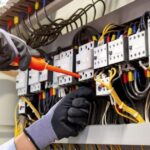
Imagine walking into an old building, with its rich history and architectural charm, but with electrical systems that are a ticking time bomb. Electrical fires, shocks, and power outages are just a few of the hazards that can occur when old buildings are not properly rewired. In Nigeria, where many buildings are aging and in need of renovation, rewiring is a crucial step in ensuring safety and efficiency.
When to Rewire an Old Building
So, when is it time to rewire an old building? Here are some signs that indicate rewiring is necessary:
– Frequent Power Outages: If you’re experiencing frequent power outages or circuit breaker trips, it may be a sign that your electrical system is overloaded or faulty.
– Flickering Lights: Flickering lights can be a sign of loose or damaged wiring, which can lead to electrical fires.
– Burning Smells: If you notice a burning smell coming from your electrical outlets or switches, it’s likely a sign of faulty wiring.
– Aging Electrical System: If your building’s electrical system is old and outdated, it may be time to consider rewiring.

Why Rewire an Old Building?
Rewiring an old building is essential for several reasons:
– Safety: Faulty wiring can lead to electrical shocks, fires, and even fatalities. Rewiring ensures that your electrical system is safe and compliant with modern safety standards.
– Efficiency: Old electrical systems can be inefficient, leading to high energy bills and wasted power. Rewiring can help improve the efficiency of your electrical system.
– Compliance: In Nigeria, there are regulations and standards that govern electrical installations. Rewiring ensures that your building is compliant with these regulations.
How to Rewire an Old Building Safely
Rewiring an old building requires careful planning and execution. Here are some steps to follow:
– Assess the Electrical System: Hire a qualified electrician to assess the electrical system and identify areas that need attention.
– Plan the Rewiring: Develop a plan for rewiring the building, including the materials and labor required.
– Shut Off Power: Shut off power to the building or area being rewired to prevent electrical shocks and accidents.
– Replace Old Wiring: Replace old wiring with new, modern wiring that meets safety standards.
– Test the System: Test the electrical system to ensure it’s working safely and efficiently.
Challenges and Considerations
Rewiring an old building can be challenging, especially in Nigeria where infrastructure and resources may be limited. Some considerations include:
– Accessibility: Old buildings may have limited accessibility, making it difficult to rewire certain areas.
– Preservation: Old buildings may have historical or architectural significance, requiring special care and preservation.
– Cost: Rewiring an old building can be expensive, especially if it requires significant upgrades or repairs.
Conclusion
Rewiring old buildings in Nigeria is a crucial step in ensuring safety and efficiency. By understanding when, why, and how to rewire an old building, you can prevent electrical hazards and ensure that your building is safe and compliant with modern standards. Whether you’re a building owner, manager, or occupant, prioritizing rewiring can help prevent electrical fires, shocks, and other hazards.
Final Tips
– Hire a Qualified Electrician: Always hire a qualified electrician to assess and rewire your building.
– Plan Carefully: Plan carefully to ensure that the rewiring process is safe and efficient.
– Prioritize Safety: Prioritize safety above all else, and take steps to prevent electrical hazards and accidents.