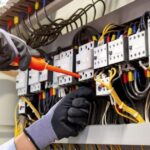
Your home is more than just a shelter; it is a complex ecosystem powered by a network of electrical veins. In Nigeria, where power fluctuations and environmental factors can take a toll on infrastructure, your home wiring is often the most neglected component of building maintenance.
At Energymall, we believe that electrical safety is the foundation of a modern home. Ignoring the subtle hints your electrical system drops isn’t just a matter of convenience: it is a matter of safety. According to data from the Federal Fire Service, electrical sparks and faults remain leading causes of residential fires in Nigeria.
Recognizing these warning signs early can save you from costly repairs, equipment damage, or life-threatening emergencies.
1. Persistent Circuit Breaker Tripping
A circuit breaker is designed to protect your home by cutting off the flow of electricity when a circuit exceeds its capacity. While an occasional trip might happen when you use too many high-wattage appliances at once, frequent tripping is a red flag.
The Fact: Persistent tripping indicates that your wiring is either outdated and unable to handle modern loads or there is a short circuit somewhere in the system.
Verification: If your breaker trips immediately after being reset, even with minimal load, it is a confirmed sign of a serious fault that requires an expert diagnostic test.
2. Flickering or Dimming Lights
Do your lights dim when the refrigerator kicks in or when you turn on your air conditioner? This is not just a “quirk” of your building. It often suggests that the appliance is drawing more current than the circuit can safely provide.
The Fact: This occurs due to voltage drops caused by undersized wiring or loose connections in the distribution board.
Verification: Standard residential wiring in Nigeria should be sized appropriately for the intended load (e.g., 1.5mm for lighting and 2.5mm or higher for sockets). If lights flicker across multiple rooms, the issue is likely at the main panel.
3. Discolored or Warm Outlets
If you notice charred marks, soot, or a yellowish-brown discoloration on your wall sockets, stop using them immediately. Similarly, an outlet should never feel warm to the touch.
The Fact: Heat buildup at an outlet is caused by arcing or resistance. This happens when electricity jumps across a gap in a loose connection, generating intense heat that can melt plastic and ignite surrounding insulation.
Verification: Professional thermal imaging or a simple physical inspection of the terminal screws often reveals oxidized or loose wires that are actively “cooking” the socket.
4. The “Fishy” or Burning Smell
New electronics might have a slight “new plastic” scent, but a persistent burning smell or an odd, fishy odor is a critical emergency.
The Fact: Electrical insulation is made of plastic and polymers. When these overheat, they emit a distinct, pungent odor that often smells like “fish” or burning rubber before a fire actually breaks out.
Verification: This scent is a chemical byproduct of PVC insulation reaching its melting point. It is a verified precursor to an electrical fire.
5. Tangled or Frayed Wiring
In many older Nigerian homes or poorly managed rentals, “amateur” electrical work leads to what we call “nesting” (a mess of tangled wires). Additionally, rodents often chew through wire insulation in ceiling voids.
The Fact: Exposed copper or frayed cables remove the protective barrier that prevents short circuits.
Verification: Any wire with visible copper or “electrical tape” patches is a violation of the Nigerian Industrial Standards (NIS) and the Nigerian Electrical Installations Regulations.
Why Professional Audits Matter
Electrical systems degrade over time. The heat-cool cycle of daily use, combined with the humidity in many parts of Nigeria, can loosen connections and corrode terminals. At Energymall, we emphasize that “patching” a fault is not a solution.
Ensuring your home uses high-quality, SON-certified cables and properly grounded systems is the only way to guarantee long-term peace of mind.
Expert Note: If your home is more than 20 years old and has never had a professional electrical wiring inspection, you are statistically overdue for an upgrade.
To book more of our services at Energymall, visit Service by Energymall