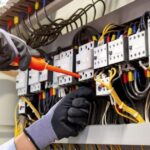
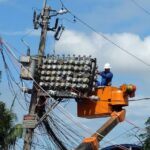
Hiring an electrician in Nigeria is not just about finding someone who can “connect wires.” A qualified electrician ensures your electrical system is safe, efficient, and compliant with Nigerian regulations. Choosing the wrong person can lead to costly mistakes, fire hazards, or even life-threatening accidents.
This guide covers the necessary certifications, key questions to ask, and warning signs to avoid when hiring an electrician in Nigeria.
1. Required Qualifications and Certifications
Not all electricians in Nigeria have formal training, but the most reliable ones do. Look out for these credentials:
•Trade Test Certificates (I, II, III) – Issued by the Federal Ministry of Labour, these certify technical competence in electrical installation and maintenance.
•Technical College/Polytechnic Diploma/University degree– A Bachelor in Science (BSc) or National Diploma (ND) or Higher National Diploma (HND) in Electrical Installation or Electrical/Electronic Engineering indicates formal training.
•Apprenticeship Completion Certificate – Some electricians are trained under established masters and issued certificates of completion.
•Membership in Professional Bodies – For example, the Nigerian Institution of Electrical Engineers (NIEEE) or the Council for the Regulation of Engineering in Nigeria (COREN) for engineers.
While smaller residential projects may not require COREN-registered engineers, complex commercial or industrial works often do.
2. Questions to Ask Before Hiring
The interview process is as important as checking documents. Here are essential questions:
1.“Can you show proof of your certifications?” – A genuine professional will gladly provide copies or photos.
2.“Do you have references from previous clients?” – Contact at least two past clients to verify quality and reliability.
3.“What brands of cables and fittings do you recommend?” – Professionals tend to prefer trusted Nigerian brands like Coleman, Cutix, and Nigerchin for durability.
4.“Do you follow Nigerian Electrical Standards (NESIS)?” – This ensures compliance with safety codes.
5.“Will you provide a written quotation and scope of work?” – Helps avoid misunderstandings and unexpected charges.
6.“Do you offer a warranty on your work?” – Reliable electricians often guarantee their work for a set period.
3. Red Flags to Watch Out For
Even if someone calls themselves an electrician, certain behaviours suggest you should walk away:
•Refusal to provide documentation – Avoid anyone who dismisses the need for certification proof.
•Overemphasis on low prices – Extremely cheap rates often mean low-quality materials or unsafe shortcuts.
•Recommending aluminum cables for cost savings – Aluminum has higher resistance and is more prone to overheating compared to copper.
•Poor communication or impatience with your questions – A true professional should be willing to explain their process.
•No protective gear on site – Electricians should use gloves, insulated tools, and safety footwear.
4. Cost Considerations
Qualified electricians usually charge more than untrained handymen, but the cost reflects expertise, safety, and quality. For example, wiring labour for a standard three-bedroom flat in Nigeria can cost ₦150,000–₦300,000 depending on complexity and location. Paying more upfront can save you from costly repairs or dangerous faults later.
5. Final Tips for Hiring
•Get at least three quotations to compare pricing and materials.
•Sign a simple contract detailing work scope, timelines, payment schedule, and safety compliance.
•Inspect materials before installation to ensure they match what was quoted.
Hiring a qualified electrician in Nigeria requires due diligence. Always check certifications, ask the right questions, and be alert to red flags. Cutting corners in this process can lead to unsafe installations, equipment damage, and even life-threatening accidents.
When it comes to electrical work, competence is an investment, not an expense — and your safety depends on it.