Service by Energymall

Common Wiring Mistakes in Homes and Offices and How to Avoid Them

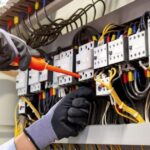
    Electrical wiring is the backbone of every modern building. From powering lights and appliances at home to supporting computers and heavy machinery in offices, safe wiring ensures smooth operations and protects lives. Unfortunately, many electrical accidents stem from common wiring mistakes that could have been prevented with the right knowledge and professional help. In this article, we’ll explore the most frequent wiring errors found in homes and offices and how to avoid them. 1. Using Wrong Wire Sizes Mistake: Many DIY installations or rushed jobs use wires that are too small for the amount of current they carry. This creates overheating, which can lead to fires. Solution: Always use wires that match the load requirements. For instance, heavy appliances like air conditioners, heaters, and refrigerators require thicker wires. Consulting an electrician ensures you use the correct gauge for safety. 2. Overloading Power Outlets Mistake: Plugging too many devices into one outlet or extension cord is common in offices and homes with multiple gadgets. This overloads the circuit and increases the risk of short circuits and fire outbreaks. Solution: Distribute electrical loads across different outlets and circuits. Where necessary, install additional outlets instead of depending on one power strip. 3. Poor or Loose Connections Mistake: Loose connections inside sockets, switches, or junction boxes can cause arcing (sparks), leading to overheating and eventual fire. Solution: Ensure all connections are tight and secure. A qualified technician should regularly check for signs of burnt outlets, flickering lights, or buzzing sounds warning signs of loose wiring. 4. Ignoring Grounding Mistake: Some homes and offices lack proper grounding, which means excess electricity has nowhere to go during a surge. This puts people and equipment at risk. Solution: Always install a proper grounding system. Grounding protects both humans and sensitive electronics from electric shock and damage. 5. Hiding or Burying Junction Boxes Mistake: To achieve a “neat” look, some people cover or bury junction boxes behind walls or ceilings. This makes it difficult to troubleshoot wiring problems later. Solution: Junction boxes should always remain accessible. They protect connections and allow easy repairs when needed. 6. Mixing Old and New Wiring Mistake: Renovated buildings often combine old, outdated wiring with new installations. This mismatch can create imbalances and hidden dangers. Solution: If renovating, replace outdated wiring with modern, insulated wires that meet current safety standards. A full rewiring may seem expensive but is far cheaper than fire damage. 7. DIY Electrical Work Mistake: Many homeowners and small business owners attempt electrical wiring themselves without proper training. This often leads to unsafe shortcuts and dangerous results. Solution: Always hire a licensed electrician for installations, repairs, and inspections. Professional work ensures compliance with safety codes and reduces risks. Why Avoiding Wiring Mistakes Matters Safety first: Prevents shocks, burns, and fire hazards. Cost savings: Protects appliances and equipment from damage. Energy efficiency: Proper wiring reduces waste and lowers electricity bills. Peace of mind: Knowing your system is safe reduces stress at home or work.

Electrical installation

The Importance of Regular Electrical Maintenance: Preventing Hazards Before They Happen

Electricity powers nearly every aspect of modern life from the lights in our homes and offices to the equipment that keeps businesses running. Yet, many people only think about their electrical systems when something goes wrong. Unfortunately, by the time a problem becomes obvious, it may already have caused costly damage or posed serious safety risks. This is why regular electrical maintenance is not just important, but essential for both homes and businesses. 1. Preventing Electrical Hazards Faulty wiring, overloaded circuits, and outdated electrical components are some of the leading causes of electrical fires and accidents. Regular inspections help detect these hidden dangers early. A licensed professional can identify issues such as frayed wires, loose connections, or improper grounding before they escalate into fire outbreaks, electric shocks, or system failures. 2. Reducing Downtime and Costly Repairs For businesses, unexpected electrical breakdowns can halt operations, leading to lost revenue. At home, they can damage appliances and disrupt daily life. Regular maintenance helps ensure that systems run efficiently, reducing the risk of sudden failures and saving money in the long run by avoiding major repairs or replacements. 3. Prolonging Equipment Lifespan Electrical appliances, machinery, and even the wiring infrastructure itself last longer when properly maintained. Dust buildup, overheating, and power surges can shorten the life of expensive equipment. Preventive maintenance ensures that everything runs within safe limits, extending the service life of both small household devices and large industrial machines. 4. Improving Energy Efficiency Poorly maintained electrical systems often consume more energy than necessary. For example, faulty wiring or outdated systems can lead to power leaks and higher utility bills. Regular servicing ensures that your system operates efficiently, helping you save money while reducing your environmental footprint. 5. Staying Compliant with Safety Standards In many industries, regular electrical maintenance is not just recommended—it’s required by law. Compliance with safety standards protects workers, customers, and property. Regular checks ensure you meet regulatory requirements, avoid penalties, and maintain a safe working environment. 6. Peace of Mind Perhaps the most important benefit is peace of mind. Knowing that your electrical system has been inspected and cleared of potential hazards allows you to focus on work, family, and other priorities without worrying about hidden dangers. Regular electrical maintenance is not an expense.it’s an investment in safety, efficiency, and reliability. By scheduling routine inspections and servicing, you protect lives, safeguard property, and avoid unnecessary costs. Whether at home or in the workplace, prevention is always better than cure, especially when it comes to electricity.

Electrical-Installation

Electrical Fire Prevention: Why Regular Wiring Maintenance Matters in Nigeria

  Imagine coming home to find your house damaged by an electrical fire. The thought alone is terrifying. In Nigeria, where electrical infrastructure can be unpredictable, it’s essential to prioritize regular wiring maintenance to prevent such disasters. We’ll explore the importance of regular wiring maintenance and provide practical tips to keep your electrical system safe. The Dangers of Poor Electrical Wiring Poor electrical wiring is a common cause of electrical fires in Nigeria. It can lead to electrical shocks, fires, and even fatalities. Some common electrical hazards include: – Overloaded Circuits: Using too many electrical devices at once can overload circuits, generating heat and potentially causing fires. – Faulty Wiring: Damaged or poorly installed wiring can cause electrical shocks and fires. – Moisture: Water and electricity can be a deadly combination, increasing the risk of electrical shocks and fires. Why Regular Wiring Maintenance is Crucial Regular wiring maintenance is essential to prevent electrical fires and ensure your electrical system operates safely and efficiently. Here are some benefits: – Improved Safety: Regular maintenance helps identify potential electrical hazards, reducing the risk of electrical fires and shocks. – Cost Savings: Regular maintenance can help prevent costly repairs and replacements by identifying issues early. – Increased Efficiency: Well-maintained electrical systems operate more efficiently, reducing energy consumption and saving you money. Practical Tips for Regular Wiring Maintenance To keep your electrical system safe and prevent electrical fires, follow these practical tips: – Hire a Qualified Electrician: Always hire a qualified electrician to install, maintain, or repair your electrical system. – Schedule Regular Inspections: Regular inspections can help identify potential electrical hazards before they become major issues. – Check for Signs of Wear: Look for signs of wear, such as frayed wires or burnt outlets, and address them promptly. – Avoid Overloading Circuits: Distribute your electrical devices across different outlets and circuits to prevent overloading. – Keep Electrical Appliances Away from Water: Water and electricity can be a deadly combination, so keep electrical appliances away from water sources. What to Expect During a Wiring Maintenance Inspection During a wiring maintenance inspection, a qualified electrician will: – Examine Wiring and Electrical Systems: Check for signs of wear, damage, or deterioration. – Test Electrical Systems: Perform tests to ensure electrical systems are operating safely and efficiently. – Identify Potential Hazards: Identify potential electrical hazards and provide recommendations for repair or replacement. Take Action Today Don’t wait until it’s too late. Schedule a wiring maintenance inspection today and ensure your electrical system is safe and efficient. By prioritizing regular maintenance and following practical tips, you can reduce the risk of electrical fires and keep your home or business safe.

The Essentials of Electrical Wiring in Nigerian Homes: What You Need to Know

  Electrical wiring is a critical aspect of any home, and it’s essential to get it right to ensure safety, efficiency, and reliability. In Nigeria, where electrical infrastructure can be unpredictable, it’s crucial to understand the basics of electrical wiring to avoid potential hazards and costly repairs. In this article, we’ll cover the essentials of electrical wiring in Nigerian homes, so you can make informed decisions about your electrical system. Understanding Electrical Wiring Basics Electrical wiring is the network of wires that carries electricity from the power source to various parts of your home. It’s essential to understand the basics of electrical wiring to ensure that your system is safe and efficient. Here are some key concepts to grasp: – Circuit Breakers: Circuit breakers are designed to interrupt the flow of electricity in case of an overload or short circuit. They’re an essential safety feature in any electrical system. – Fuses: Fuses are another safety feature that melts when there’s an overload or short circuit, breaking the circuit and preventing damage. – Wiring Types: There are different types of wiring, including single-phase and three-phase wiring. Single-phase wiring is commonly used in residential homes, while three-phase wiring is often used in commercial and industrial settings. Safety Precautions Electrical safety is paramount in any home. Here are some safety precautions to take: – Use Qualified Electricians: Always hire qualified electricians to install, maintain, or repair your electrical system. – Avoid Overloading: Avoid overloading your electrical system, as it can cause fires and other hazards. – Keep Electrical Appliances Away from Water: Keep electrical appliances away from water to prevent electrical shocks. Common Electrical Wiring Issues in Nigerian Homes Nigerian homes often face unique electrical wiring challenges due to factors like inadequate infrastructure and harsh weather conditions. Here are some common issues: – Power Surges: Power surges can damage electrical appliances and wiring. Consider installing surge protectors to safeguard your equipment. – Voltage Fluctuations: Voltage fluctuations can cause electrical appliances to malfunction or fail. Consider installing voltage stabilizers to regulate the voltage. – Poor Wiring: Poor wiring can cause electrical shocks, fires, and other hazards. Ensure that your wiring is installed and maintained by qualified electricians. Best Practices for Electrical Wiring To ensure a safe and efficient electrical system, follow these best practices: – Use High-Quality Materials: Use high-quality materials, such as copper wiring, to ensure durability and efficiency. – Plan Your Electrical System: Plan your electrical system carefully to ensure that it meets your needs and is safe. – Regular Maintenance: Regular maintenance is essential to ensure the longevity and efficiency of your electrical system. Electrical wiring is a critical aspect of any home, and it’s essential to get it right to ensure safety, efficiency, and reliability. By understanding the basics of electrical wiring, taking safety precautions, and following best practices, you can ensure a safe and efficient electrical system in your Nigerian home. – Hire Qualified Electricians: Always hire qualified electricians to install, maintain, or repair your electrical system. – Be Mindful of Safety: Be mindful of safety when working with electrical systems, and take precautions to avoid electrical shocks and other hazards. – Plan for the Future: Plan your electrical system carefully to ensure that it meets your future needs and is safe. By following these tips and understanding the essentials of electrical wiring, you can ensure a safe and efficient electrical system in your Nigerian home.