Service by Energymall

Security lighting

Top 5 Smart Lighting Brands Available in Nigeria—and How to Install Them

As smart home technology gains traction in Nigeria, smart lighting has emerged as one of the most accessible and impactful upgrades for homeowners. From energy efficiency to added convenience and enhanced security, smart lighting is changing how Nigerians illuminate their homes. But with a growing number of brands entering the market, choosing the right one—and knowing how to install it—can feel overwhelming. Here’s a guide to the top 5 smart lighting brands available in Nigeria and how you can set them up easily in your home. 1. Tuya Smart Tuya is one of the most popular smart home ecosystems in Nigeria. Their lighting products include smart bulbs, LED strips, downlights, and smart switches. Tuya-powered devices are often white-labelled under various names but can be controlled via the Tuya Smart or Smart Life app. Why Nigerians Like It: •Affordable and widely available •Works with Alexa and Google Assistant •Reliable mobile app interface Installation Tips: •Download the Tuya Smart or Smart Life app. •Screw in the smart bulb or connect the switch. •Power it on and follow the app’s prompts to add the device. •Connect to Wi-Fi and test with voice or app commands. 2. Sonoff Sonoff is a well-known brand for DIY smart lighting and automation. It offers smart switches, relays, and bulbs that can convert regular lighting setups into smart systems. Why Nigerians Like It: •Budget-friendly options •Ideal for converting existing fixtures •Works with eWeLink app, Alexa, and Google Assistant Installation Tips: •Requires some electrical knowledge if using relays or switches. •For basic setup, plug in a smart bulb or use a smart plug. •Download the eWeLink app and pair the device via Wi-Fi. •Configure automation and schedules as needed. 3. Sollactec Sollactec is a Nigerian brand offering smart lighting products tailored to the local market. Their solutions often come pre-configured with Tuya software, ensuring compatibility with popular apps. Why Nigerians Like It: •Local support and after-sales service •Designed for Nigeria’s power systems •Sleek and durable designs Installation Tips: •Install bulbs or switches as instructed (some may need an electrician). •Use the Smart Life or Tuya Smart app. •Sync to your Wi-Fi and begin controlling remotely. 4. Xiaomi (Mi Home) Xiaomi’s smart lighting range includes bulbs, ceiling lights, and LED strips. These products are stylish, efficient, and integrate with the Mi Home app and Google Assistant. Why Nigerians Like It: •High-quality build and longevity •Intuitive app interface •Offers additional ecosystem products like cameras and sensors Installation Tips: •Install the bulb or fixture. •Download the Mi Home app. •Add the device, connect to Wi-Fi, and name the lighting zone. •Set schedules or link with voice assistants. 5. Philips Hue Though premium, Philips Hue offers one of the most advanced smart lighting experiences. With its color-changing options and integration with third-party apps, it’s popular among tech enthusiasts. Why Nigerians Like It: •Rich features and lighting effects •Excellent reliability and integration •Expandable system with sensors and light strips Installation Tips: •Requires the Philips Hue Bridge for full functionality. •Set up the Bridge and connect it to your router. •Install Hue bulbs and use the Hue app to configure zones, moods, and automation. Final Tips for Installation and Use •Stable Wi-Fi is essential for smart lighting systems to work properly. •Always follow safety precautions when dealing with electrical installations—call an electrician for complex setups.
Smart vs Traditional Lighting: Why Nigerians Are Making the Switch

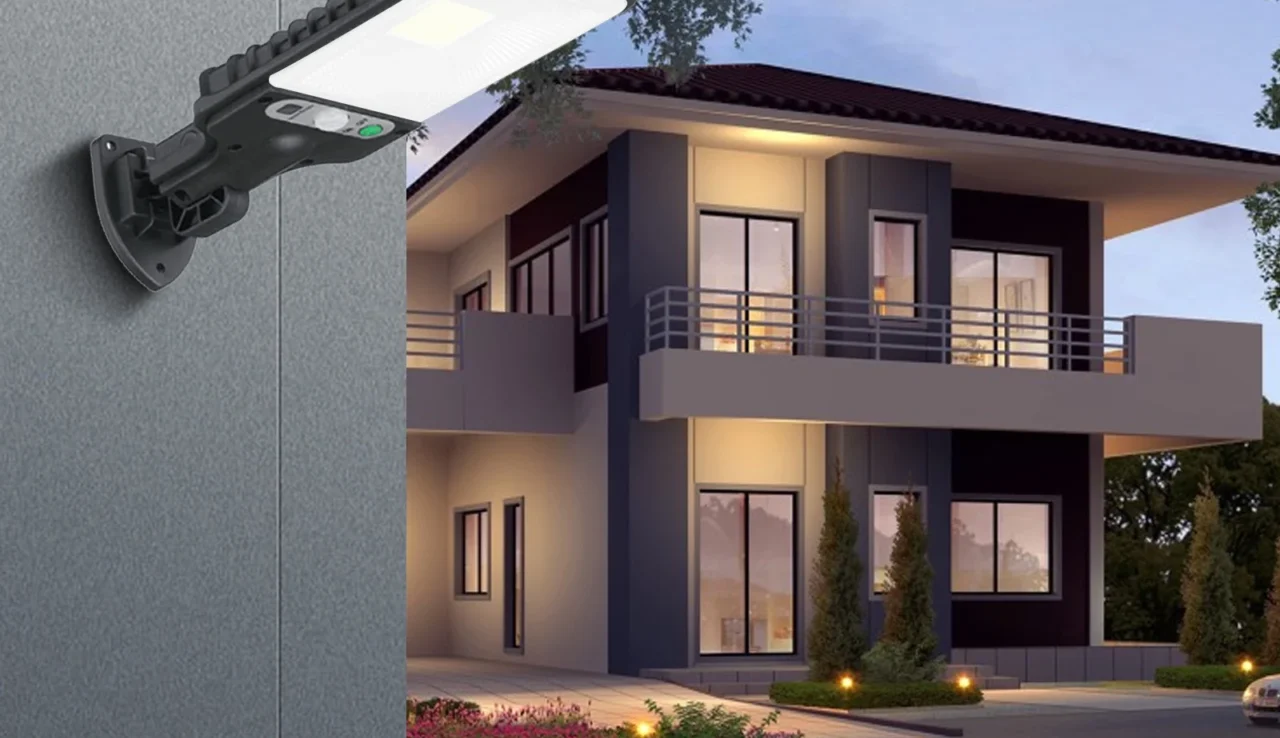
More Nigerians are moving away from traditional lighting setups and embracing smart lighting solutions. This shift is being driven by the desire for convenience, energy efficiency, and better control over electricity usage. Understanding the Difference Traditional lighting involves the use of regular incandescent, fluorescent, or LED bulbs operated manually with wall switches. They offer basic functionality—on and off, sometimes with dimmers. Smart lighting, on the other hand, goes beyond just illumination. It allows users to control lights remotely via smartphone apps, voice assistants like Alexa or Google Assistant, or even automated schedules. Smart lights often come with features like dimming, color change, motion sensors, and energy usage tracking. Why the Switch is Happening in Nigeria 1.Energy Management: With rising electricity tariffs and the high cost of running generators, Nigerians are increasingly conscious of energy usage. Smart lighting uses LED technology, which consumes significantly less power. Additionally, features like motion detection and scheduling help ensure lights are only on when needed, reducing waste. 2.Remote Access and Control: Nigerians with busy schedules or those who travel frequently find remote access extremely beneficial. With smart lighting, users can control their home’s lighting from anywhere in the world. This also helps deter intruders by giving the impression someone is home. 3.Security Enhancement: Many smart lighting systems integrate with home security setups. Motion-activated floodlights, for instance, help illuminate outdoor areas when movement is detected. This boosts home security, especially in areas where theft or trespassing is a concern. 4.Modern Lifestyle Appeal: For tech-savvy Nigerians, smart lighting fits into a modern, connected lifestyle. The ability to control lights with voice commands, automate mood lighting, or integrate with other smart devices adds sophistication and comfort to everyday living. 5.Increased Availability and Affordability: As smart home products become more popular, local availability and pricing have improved. Brands like Tuya, Sonoff, and Sollactec offer affordable options, making smart lighting accessible to middle-income households. Making the Switch Transitioning to smart lighting doesn’t require a full overhaul. You can start small—by replacing traditional bulbs with smart bulbs in key rooms or using smart plugs to control lamps. For homeowners building or renovating, installing smart switches and sensors can future-proof the property. Final Thoughts Smart lighting offers a blend of innovation, savings, and security. As Nigerians look for ways to manage electricity better and live more comfortably, the move from traditional to smart lighting is more than a trend—it’s a smarter way forward.

The Future is Now: How Home Automation is Changing the Way Nigerians Live

Home automation is no longer a concept of the distant future—it’s rapidly becoming a reality in homes across Nigeria. As internet penetration deepens, energy efficiency becomes more crucial, and technology becomes more affordable, Nigerians are embracing smart home solutions to enhance comfort, security, and convenience. What is Home Automation? Home automation refers to the use of smart technology to control household systems and appliances such as lighting, security, climate, entertainment, and even water supply. These devices are usually connected via Wi-Fi or Bluetooth and can be managed through mobile apps, voice assistants like Alexa and Google Assistant, or dedicated control panels. Growing Adoption in Nigeria Urban centers like Lagos, Abuja, and Port Harcourt are seeing a rise in the number of homeowners adopting smart technology. Real estate developers are also beginning to incorporate smart features into new developments, offering prospective buyers a tech-driven lifestyle. With affordable and locally available brands like Tuya, Sonoff, Sollactec, and Xiaomi entering the market, home automation is no longer reserved for the wealthy. How It’s Transforming Nigerian Homes 1.Improved Security: Security is a major concern for many Nigerians, and smart home technology is providing reliable solutions. Automated gate systems, smart door locks, video doorbells, motion detectors, and surveillance cameras allow homeowners to monitor and secure their properties remotely—whether they’re at work or traveling abroad. 2. Energy Efficiency: With erratic power supply and rising fuel and electricity costs, managing energy consumption is critical. Smart lighting systems, automated air conditioning controls, and energy monitors help users track usage, schedule devices, and reduce wastage. 3. Convenience and Comfort: Homeowners can automate lighting to match their routines, adjust room temperatures remotely, or use voice commands to turn on the TV or play music. These conveniences are making daily life more enjoyable and efficient. 4. Remote Control and Monitoring: Whether you’re checking your home from your office or abroad, home automation allows real-time monitoring and control. This is particularly useful for Nigerians in the diaspora managing properties back home. 5. Assistive Living: For elderly family members or individuals with physical limitations, smart homes provide a safer and more supportive environment. From voice-activated controls to automated reminders and emergency alerts, these systems improve quality of life. Getting Started Starting your smart home journey doesn’t have to be overwhelming. Begin with essential areas like smart lighting, security cameras, or a smart plug to automate basic appliances. Choose devices that are compatible with each other, and ensure you have stable internet connectivity. Consider consulting a local home automation expert if you’re installing more complex systems like centralized control panels or integrated sensors. Home automation is revolutionizing the Nigerian lifestyle—bridging the gap between tradition and technology. As more people discover the value of smarter living, the demand for integrated, affordable solutions will only grow. The future is here, and it’s powered by convenience, safety, and control—all from the palm of your hand.

smart-lighting-technology-BASON_975c7536-700f-4eae-afee-8b5c62f804b3

Smart Homes in Nigeria: How to Get Started with Smart Lighting Installation

Whether you’re aiming for convenience, security, energy efficiency, or simply a modern aesthetic, smart lighting provides a solid entry point into home automation. What Is Smart Lighting? Smart lighting refers to lighting systems that can be controlled remotely using a smartphone, tablet, or voice commands through platforms like Google Assistant, Alexa, or Apple HomeKit. These lights often include features like dimming, scheduling, color-changing capabilities, motion detection, and energy monitoring.   Benefits for Nigerian Homes 1.Energy Efficiency: Smart bulbs are typically LED-based, consuming less electricity compared to traditional lighting. With energy costs constantly rising in Nigeria, this can translate to significant savings over time. 2.Remote Control: With smart lighting, you can turn lights on or off from anywhere, ensuring you never leave lights running unnecessarily. 3.Improved Security: Automating lights to come on at specific times or in response to movement can deter intruders and enhance safety.   4. Customisation: Change lighting moods to suit your activities—whether you’re hosting friends, relaxing, or working from home. How to Get Started 1.Assess Your Needs and Budget: Start small. Focus on key areas like your living room, entrance, or bedroom. You can expand later as your needs grow. 2.Choose the Right Platform: Decide which smart ecosystem you want to use. Popular options in Nigeria include Amazon Alexa, Google Home, and Tuya-based systems. Compatibility is key—ensure your bulbs, switches, and apps can work together. 3.Pick Your Devices: •Smart Bulbs: Easy to install and replace, smart bulbs screw directly into your existing sockets. •Smart Switches: These require some electrical work but let you control existing light fixtures remotely. •Sensors and Hubs: Motion sensors or central hubs may be needed depending on your setup and desired features. 4.Installation and Setup: Many devices are plug-and-play, but smart switches may require an electrician. Once installed, follow app instructions to connect the device to your home Wi-Fi. 5.Local Availability: Brands like Philips Hue, Xiaomi, Tuya, Sollactec, and Sonoff are commonly available in Nigerian markets and online stores.