Service by Energymall

AC installation

AC Installation in Nigeria: What to Check Before You Pay

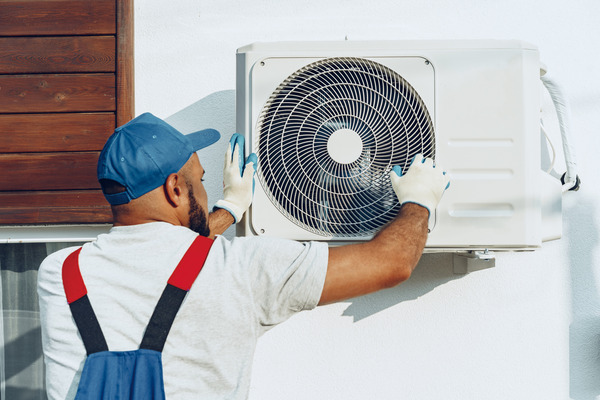
  Installing an air conditioner in Nigeria is not just a purchase, it is an investment. And like every investment, the details matter. At Energymall, we have seen too many Nigerians pay for AC installation only to deal with poor cooling, high electricity bills, or complete system failure within months. Here is what you must verify before any technician collects your money. 1. Confirm the Technician is Qualified Anyone can carry a spanner and call themselves an AC engineer. Before you hand over access to your unit, ask for proof of technical training or certification. Qualified installers understand refrigerant handling, electrical load requirements, and manufacturer specifications. Unqualified hands can void your warranty and damage your unit from day one. 2. Check That the Right BTU Capacity Is Being Installed One of the most common mistakes in Nigerian homes and offices is installing an AC unit that is too small or too large for the space. A 1HP unit cannot effectively cool a large open room. A 2HP unit in a small bedroom wastes electricity. Ask your installer to calculate the correct capacity based on your room size, ceiling height, and heat load before installation begins. 3. Inspect the Copper Pipe Quality The copper pipe connecting your indoor and outdoor unit determines how efficiently refrigerant flows. Substandard or reused copper pipes cause leaks, reduce cooling performance, and shorten your AC lifespan. Insist on new, properly insulated copper pipes for every installation. 4. Verify Proper Drainage Setup A poorly installed drainage pipe will cause water to drip inside your room, damage your walls, and create mold. The drain line must be correctly sloped and routed to exit moisture efficiently. This is non-negotiable. 5. Ask About Electrical Safety Compliance Your AC unit must be connected to the correct wire gauge and a dedicated circuit breaker. In many Nigerian installations, this step is skipped entirely. An overloaded circuit is a fire risk. Confirm that your electricals can handle the additional load before the unit is powered on. 6. Demand a Post-Installation Test Before any installer leaves your property, the unit must be tested for cooling performance, airflow, drainage function, and remote control response. Any responsible technician will do this without being asked. If they rush out after mounting the unit, that is a red flag. 7. Get a Service Record or Installation Report A professional installation comes with documentation. This protects you when making warranty claims and helps future technicians understand your setup. If no paperwork is offered, ask for it.   At Energymall, we provide professional, verified AC installation services across Nigeria. Our technicians are trained, our materials are quality-tested, and we do not cut corners, because your comfort and safety are worth getting right. Whether you are installing a new unit, relocating an existing one, or replacing a faulty system, we are ready to help. Visit us at service.energymall.ng to book a service or get a quote. Prefer to chat directly? Send us a WhatsApp message on +234 915 223 5721 and our team will respond promptly. Do not pay for guesswork. Pay for expertise.
Cost of Installing Major Home Appliances in Nigeria: A Complete Guide for Homeowners

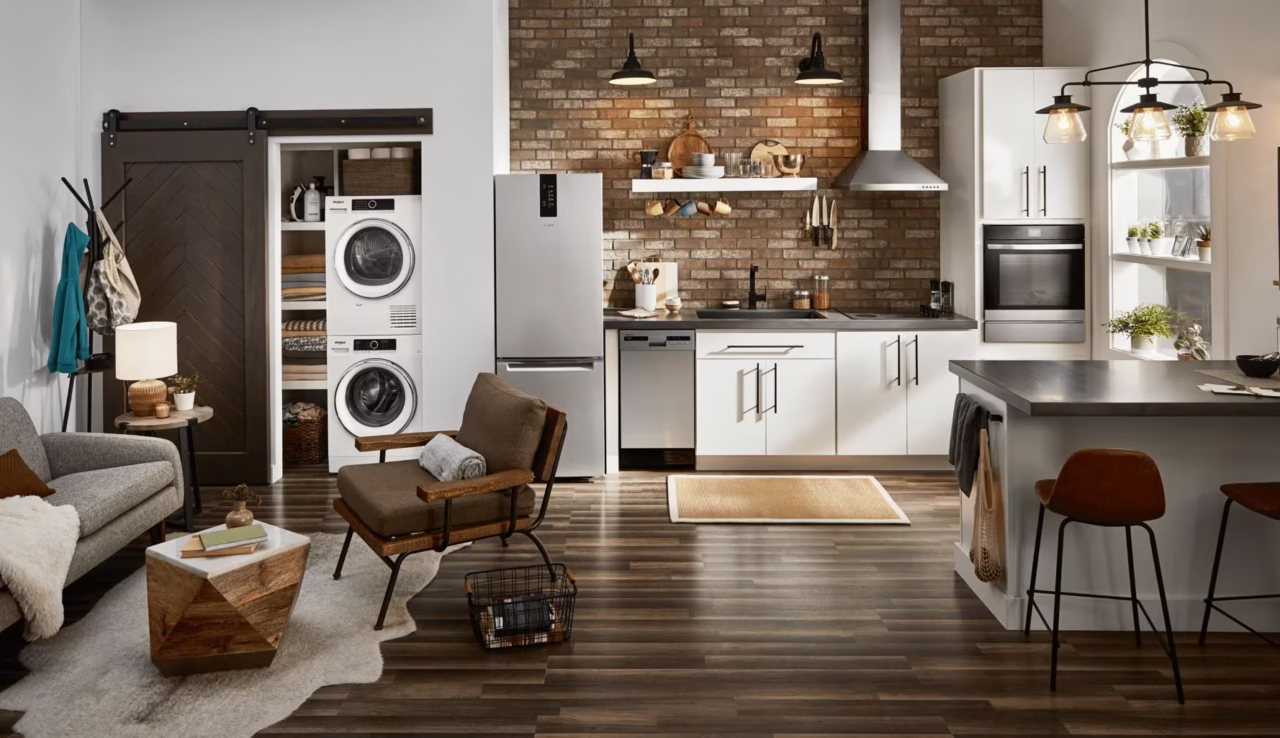
Installing home appliances in Nigeria involves more than just purchasing the item — the installation cost can vary significantly depending on the type of appliance, location, and whether you choose professional services or DIY. Understanding these costs can help you budget better and avoid unexpected expenses. Below is a breakdown of the average cost of installing major home appliances in Nigeria as of 2025. 1. Refrigerators & Freezers Basic single-door fridge: ₦5,000 – ₦10,000 for installation and basic setup. Double-door or smart fridge: ₦15,000 – ₦30,000 depending on size and complexity. Commercial freezers & solar-powered freezers: ₦20,000 – ₦40,000 (includes wiring or solar integration). 💡 Tip: If your freezer is solar-powered, factor in additional costs for solar panel connection and battery setup. 2. Washing Machines & Dryers Semi-automatic washing machines: ₦5,000 – ₦10,000. Fully automatic washing machines: ₦10,000 – ₦20,000 (plumbing and electrical connections included). Clothes dryers: ₦10,000 – ₦18,000. 💡 Extra cost alert: If your home lacks proper plumbing, you may need to spend ₦20,000 – ₦50,000 to install a dedicated water supply and drainage system. 3. Air Conditioners Split unit AC: ₦15,000 – ₦30,000 (includes mounting brackets and minor electrical work). Standing AC: ₦10,000 – ₦20,000. Central AC systems: ₦150,000 – ₦500,000 (depends on house size). 💡 Tip: Always hire a certified technician to avoid refrigerant leakage and poor cooling efficiency. 4. Gas Cookers & Ovens Basic table-top gas cooker: ₦3,000 – ₦5,000. Standing gas cooker with oven: ₦8,000 – ₦15,000. Built-in ovens: ₦20,000 – ₦40,000 (cabinet adjustments may cost extra). 💡 Extra safety cost: Gas leak detectors cost ₦8,000 – ₦15,000 and are highly recommended. 5. Televisions & Home Entertainment Systems Basic TV wall mounting: ₦5,000 – ₦10,000. Smart TV with concealed wiring: ₦15,000 – ₦25,000. Home theatre systems: ₦20,000 – ₦50,000 (includes cable management and speaker positioning). 💡 Tip: Concealed wiring can give your home a sleek look but costs more. 6. Solar-Powered Appliances Solar-powered water pumps: ₦30,000 – ₦80,000 (depending on pump capacity). Solar-powered fridges: ₦20,000 – ₦50,000. Complete solar installation for home appliances: ₦500,000 – ₦3,000,000 (including panels, inverter, and batteries). 💡 Tip: Choose a reputable solar installer to avoid premature battery failure. Factors That Affect Installation Costs Location — Lagos and Abuja tend to have higher service charges than smaller cities. Complexity — Built-in appliances or units requiring plumbing/electrical work cost more. Installer’s Experience — Certified professionals charge higher but offer more reliable service. Warranty Services — Some brands include free or discounted installation within the warranty period. Transport Costs — If you live far from the installer, you may pay extra for transportation. How to Save Money on Appliance Installation ✅ Compare prices from multiple installers before hiring. ✅ Look out for free installation offers from major appliance dealers. ✅ Combine multiple installations in one job to get bulk discounts. ✅ Buy from suppliers that offer installation packages.

Home appliance installation

DIY vs. Professional Installation in Nigeria: Which Is Better for Your Home Appliances?

When you buy a brand-new home appliance in Nigeria — be it a washing machine, air conditioner, or gas cooker — the next big decision is installation. Should you roll up your sleeves and do it yourself, or call a professional? The truth is, both options have their pros and cons. Choosing the right one depends on the type of appliance, your skills, safety considerations, and the cost implications. Let’s break it down. 1. The Case for DIY Installation Many Nigerians love to “try it themselves” — whether to save costs, learn a skill, or avoid waiting days for a technician. Advantages of DIY Cost Savings: You won’t pay service charges, which can range from ₦5,000 to ₦50,000 depending on the appliance. Convenience: You can install at your own time without waiting for a technician’s schedule. Personal Satisfaction: There’s a sense of accomplishment when you successfully complete the setup. Risks of DIY Warranty Issues: Many manufacturers void warranties if the appliance is not installed by an approved technician. Safety Hazards: Wrong electrical wiring or gas connections can cause shocks, leaks, or fires. Hidden Costs: Mistakes during installation can lead to repairs or replacements that cost more than hiring a professional in the first place. 2. The Case for Professional Installation In Nigeria, especially with appliances like inverters, solar freezers, ACs, or built-in ovens, professional installation is often the safest choice. Advantages of Professional Installation Expertise & Experience: Trained installers understand the product specs and local electrical/gas safety standards. Warranty Protection: Using an authorised installer keeps your warranty valid. Long-Term Performance: Proper installation ensures your appliance works efficiently and lasts longer. Possible Downsides Higher Initial Cost: Professional service fees can add to your expenses. Scheduling Delays: Sometimes you might wait days for a qualified technician, especially in busy cities like Lagos or Abuja. 3. Which Should You Choose? Ask yourself these three questions before deciding: Do I have the skills and tools to do it correctly? Will DIY affect my warranty or safety? Is the appliance complex or high-risk to install (e.g., gas or high-voltage electrical units)? Rule of Thumb: For simple plug-and-play appliances (microwaves, kettles, small fridges), DIY is fine. For complex or risky installations (AC units, ovens, gas cookers, solar freezers), hire a pro. Final Recommendation If you’re unsure, it’s better to spend a little more for professional installation than risk damaging an expensive appliance or endangering your home. Platforms like Energymall Nigeria not only sell quality appliances but also provide reliable installation services — saving you stress and ensuring you get the best performance from your investment.

Home appliance installation

Top 7 Mistakes Nigerians Make When Installing Home Appliances — And How to Avoid Them

In Nigeria, home appliances like air conditioners, refrigerators, washing machines, ovens, and water heaters have become more than just conveniences — they’re essential for daily comfort. However, while buying the right appliance is important, installing it correctly is just as crucial. A poor installation can shorten the lifespan of your appliance, cost you more in repairs, and even pose safety hazards. Unfortunately, many homeowners unknowingly make costly mistakes during installation. In this guide, we’ll break down the top 7 mistakes Nigerians make when installing home appliances — and how you can avoid them. 1. Hiring Unqualified or Unverified Installers The mistake: Many people hire the cheapest installer they can find without checking their skills or credentials. This often leads to poor installation, safety hazards, and the need for rework. The fix: Always request proof of training or certification. Check reviews or get recommendations from trusted sources. Use reputable installation services like Energymall Nigeria, where technicians are trained for safe and correct appliance setup. 2. Ignoring Manufacturer’s Instructions The mistake: Skipping the manual or letting the installer “do it their own way” can lead to damage or voided warranties. The fix: Ensure the installer follows the manufacturer’s guidelines. Keep your manuals for future reference. Some appliances require specific wiring, venting, or spacing — these aren’t optional. 3. Poor Electrical and Plumbing Preparation The mistake: Installing an appliance without checking if your electrical wiring, sockets, or plumbing can handle it. For example, plugging a heavy-duty fridge into an undersized socket. The fix: Upgrade your electrical circuits and water connections before installation. Hire a qualified electrician or plumber to inspect the site beforehand. Consider surge protectors to guard against Nigeria’s frequent power fluctuations. 4. Wrong Placement or Positioning The mistake: Squeezing appliances into spaces without adequate ventilation or clearance, which can cause overheating and damage. The fix: Follow spacing recommendations in the manual. Keep appliances away from heat sources and moisture unless designed for such conditions. Plan installation spaces during home design or renovation to avoid forced adjustments. 5. Skipping Safety Features The mistake: Failing to include grounding, stabilizers, or circuit breakers, especially in areas with unstable power supply. The fix: Always use stabilizers for sensitive electronics like TVs, refrigerators, and AC units. Install circuit breakers for large appliances. Make grounding a standard practice to prevent electrical shocks. 6. Not Testing Immediately After Installation The mistake: Letting the installer leave without fully testing all the appliance functions. The fix: Run the appliance in the presence of the installer. Check for noise, vibration, leaks, or unusual smells. Confirm all safety features (like auto shut-off) are working. 7. Neglecting Maintenance Instructions The mistake: Thinking installation is the end of the story, and ignoring maintenance schedules until problems arise. The fix: Schedule regular servicing according to the manufacturer’s recommendations. Learn basic care tips, like cleaning filters or defrosting. Keep the installer’s contact for follow-up checks.

Home appliance installation

Essential Guide to Installing Home Appliances in Nigeria: What Every Homeowner Should Know

In today’s modern Nigerian home, appliances like washing machines, refrigerators, air conditioners, microwaves, and ovens are more than just luxuries — they’re essential tools that make daily life easier. However, buying an appliance is only half the journey. Proper installation is the step that ensures it works efficiently, lasts longer, and remains safe to use. Sadly, many homeowners underestimate the importance of correct installation and end up with costly breakdowns, high electricity bills, or even safety hazards. This guide walks you through everything you should know before, during, and after installing your home appliances in Nigeria. 1. Choose the Right Location Before installing any appliance, ensure that the space meets its requirements: Ventilation: Appliances like refrigerators, air conditioners, and ovens need proper airflow to function efficiently. Poor ventilation can cause overheating and reduce their lifespan. Access to Power & Water Supply: Washing machines, dishwashers, and some refrigerators require water inlets and drainage points. Level Flooring: An uneven floor can cause vibrations in washing machines and dishwashers, leading to damage over time. Tip: Always measure your space before buying an appliance to ensure a perfect fit. 2. Use Professional Installers In Nigeria, it’s tempting to call “the guy down the street” to install your appliances, but this can be risky. Professional installers: Understand manufacturer guidelines. Know how to connect electrical appliances safely. Can set up your appliance to use less energy and avoid overload on your home’s wiring. Warning: Poor installation is a major cause of appliance faults and can void your warranty. Always use certified technicians — preferably recommended by the manufacturer or reputable suppliers like Energymall Nigeria. 3. Check Your Electrical Capacity Nigeria’s power supply can be unstable, and not every home’s electrical wiring is built to handle high-power appliances. Before installation: Have an electrician check your wiring. Consider installing surge protectors or voltage regulators to protect against power fluctuations. For high-demand devices like air conditioners, ovens, and freezers, use dedicated sockets. 4. Follow Manufacturer Instructions Each appliance comes with a manual — don’t ignore it. These instructions cover: Recommended installation clearances. Proper connection points. Safety tips specific to your appliance model. Even a professional should follow these guidelines to ensure compliance with the warranty. 5. Safety First Never compromise safety for convenience. Some key points: Do not overload sockets. Keep cords away from wet areas. Ensure grounding for appliances with metal bodies. Test for leaks when installing water-based appliances. 6. Test After Installation Once installed, run the appliance to ensure: It powers on correctly. There are no leaks, unusual sounds, or smells. All functions work as expected. If anything seems off, call the installer back immediately. 7. Maintenance Starts from Day One Proper use and maintenance will extend the lifespan of your appliance: Clean filters regularly (ACs, washing machines, dishwashers). Defrost freezers when needed. Keep appliances dry and dust-free. Quick Checklist Before Installing Any Appliance in Nigeria ✅ Is the location properly ventilated? ✅ Is there a stable power supply or surge protector? ✅ Is a certified technician handling the installation? ✅ Have you read and understood the manual? ✅ Have you tested the appliance before full use?

Home appliance installation

How to Find Reliable Home Appliance Installers in Nigeria: Red Flags and Recommendations

When it comes to installing home appliances in Nigeria—whether it’s an inverter, a washing machine, a solar freezer, or an air conditioner—choosing the right installer can make the difference between smooth, efficient performance and costly headaches. Unfortunately, many homeowners fall victim to unqualified technicians or poor installation practices that damage appliances or shorten their lifespan. In this article, we’ll break down how to find reliable appliance installers in Nigeria, the red flags to watch out for, and recommendations to help you make the best choice. Why the Right Installer Matters Protects your investment: Many appliances are expensive, and poor installation can void warranties. Ensures efficiency: Proper setup ensures your appliances run at their full capacity without wasting power or resources. Avoids safety hazards: Faulty installation can cause electrical fires, water leaks, or system breakdowns. Step-by-Step Guide to Finding Reliable Home Appliance Installers 1. Start with Verified Recommendations Ask friends, family, or trusted online communities for recommendations. Platforms like Nairaland, Google reviews, or Facebook neighborhood groups can be good starting points. Look for installers with consistent positive feedback over time—not just one or two recent reviews. 2. Check Credentials and Experience Reliable installers should: Be registered with relevant associations (e.g., for electrical work, look for COREN-registered engineers). Have at least 2–5 years of experience with the specific appliance type you need installed. Provide proof of past successful jobs (photos, videos, or testimonials). 3. Ask About Warranty and After-Sales Support A professional installer should: Offer a service warranty (often 3–12 months) for their work. Be available for post-installation support. Clearly explain what is covered in the warranty. 4. Get a Written Quote Avoid verbal-only agreements. A written quotation should: Include labor cost, materials, and any extra charges. State the installation completion timeline. Show the payment structure (avoid paying 100% upfront). 5. Assess Their Professionalism Observe: Punctuality: Consistently late arrivals may signal unreliability. Communication: They should be willing to answer your questions clearly. Tools & Equipment: Professional installers come prepared with proper, well-maintained tools. Red Flags to Watch Out For 🚩 No references or portfolio – Can’t provide past work or client contacts. 🚩 No receipt or contract – This makes it easy for them to disappear after payment. 🚩 Rushed explanations – If they can’t explain the process, they may not fully understand it. 🚩 Suspiciously low prices – While affordable rates are attractive, extremely low quotes often mean poor-quality work or hidden costs. 🚩 No safety measures – Not using gloves, protective gear, or proper installation methods. Recommendations for a Smooth Experience Work with established suppliers: Businesses like Energymall Nigeria not only sell appliances but also offer professional installation services with warranty and nationwide coverage. Use vetted service platforms: Platforms like Fixit.ng, Klinserv, or Jumia Services often pre-screen installers for competence. Schedule inspections: For big installations (e.g., solar systems or industrial kitchen equipment), request a site inspection before work begins. Keep receipts and documentation: These are vital for warranty claims and resolving disputes. Finding reliable home appliance installers in Nigeria is not just about getting the job done.it’s about safeguarding your investment, ensuring efficiency, and preventing safety risks. By following these tips, avoiding red flags, and choosing installers with proven credibility, you can enjoy your appliances for years without unnecessary repair costs. If you want guaranteed quality and peace of mind, consider working with trusted providers like Energymall Nigeria, where professional installation is part of the service.