Service by Energymall

Electrical-Installation

Wiring Types Used in Nigerian Homes: Which Is Best for Safety and Durability?

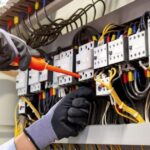
Electrical wiring in Nigeria must withstand high temperatures, fluctuating voltage, and sometimes humid conditions. Choosing the right wiring type impacts both safety and long-term reliability. 1. Common Wiring Types •PVC-Insulated Copper Wires: The most widely used. Brands like Coleman and Cutix offer good heat resistance and durability. •Armoured Cables (SWA – Steel Wire Armoured): Suitable for underground or outdoor installations; provides extra protection against rodents and mechanical damage. •Flexible Cables: Used for appliances and temporary wiring; not ideal for fixed installations. •Heat-Resistant Silicone Cables: Best for areas near heat sources like kitchens or industrial sites. •Low-Smoke Zero Halogen (LSZH) Cables: Safer in case of fire, producing less toxic smoke. 2. Best Choice for Nigerian Homes For most residential applications: •PVC-insulated copper cables for lighting and socket circuits inside conduits. •Armoured cables for main supply from meter to distribution board. 3. Safety Considerations •Always ensure cables are 100% copper — aluminum conductors have higher resistance and overheat faster. •Use the correct cable size for each circuit: •Lighting: 1.5mm² •Sockets: 2.5mm² •High-power appliances (AC, water heater): 4mm² – 6mm². 4. Durability Tips •Avoid exposure to direct sunlight unless UV-protected. •Keep away from moisture unless waterproof rated. •Invest in quality brands with a proven track record.
Electrical-Installation

Cost of Electrical Installation in Nigeria: 2025 Price Breakdown for Materials and Labor

Electrical installation costs in Nigeria vary widely based on the type of building, its size, and the quality of materials used. In 2025, inflation, exchange rates, and rising demand for copper cables have pushed prices higher, making budgeting essential for homeowners and contractors. 1. Materials Electrical materials usually account for 60–70% of total installation costs. Common components include: •Cables and Wiring: High-quality brands like Coleman, Nigerchin, and Cutix cost ₦450–₦750 per metre for 2.5mm² twin and earth cables, while 4mm² cables for high-power circuits range from ₦900–₦1,300 per metre. •Switches and Sockets: From budget types at ₦1,500–₦2,000 per unit to premium Schneider or ABB models at ₦5,000–₦10,000. •Distribution Boards (DBs): ₦25,000–₦60,000 depending on capacity and brand. •Conduits and Accessories: 20mm or 25mm PVC conduits cost ₦350–₦600 per length. •Lighting Fixtures: Basic LED bulbs cost ₦1,500–₦2,500; designer fittings start at ₦10,000+. Estimated Material Cost for a 3-Bedroom Flat: ₦1.8 million – ₦2.5 million (mid-range quality). 2. Labor Labor costs depend on the project complexity and electrician’s expertise: •Wiring labor: ₦150,000 – ₦300,000 for a 3-bedroom flat. •Installation of lighting/sockets: ₦500–₦1,500 per point. •Testing and commissioning: ₦30,000–₦50,000. 3. Factors Influencing Cost •Building size and design complexity •Choice between surface and conduit wiring •Brand and quality of materials •Location (urban vs. rural labor rates) 4. 2025 Price Summary Item Price Range Wiring cables (per metre) ₦450 – ₦1,300 Switch/socket (per unit) ₦1,500 – ₦10,000 DB (distribution board) ₦25,000 – ₦60,000 Conduits (per length) ₦350 – ₦600 Labor (3-bedroom) ₦150k – ₦300k