Service by Energymall

Home appliance installation

Why Your Smart Fridge/Freezer Needs Professional Servicing (And Not Just a “Gas Top-Up”)

  In the Nigerian appliance market, a persistent myth suggests that whenever a cooling unit underperforms, it simply needs more refrigerant. This “gas top-up” culture often does more harm than good, especially with modern technology. At Energymall, we see high-end appliances fail prematurely because they were treated with 1990s logic. If you own a smart refrigerator, you aren’t just owning a cooling box; you are owning a sophisticated computer that happens to keep food cold.   The Myth of the Universal “Gas Top-Up” The cooling system in a refrigerator is a hermetically sealed loop. Under normal operating conditions, refrigerant does not “finish” or “dry up.” If a unit is low on gas, there is a physical puncture or a leak in the coils that must be brazed and repaired before any gas is added. Simply adding gas without fixing the leak or diagnosing the root cause leads to: Overcharging the system: This puts immense pressure on the compressor, leading to total hardware failure. Oil contamination: Opening the system unnecessarily can introduce moisture, which creates acid inside the pipes. Waste of resources: If there is a leak, the new gas will simply escape again within days.    Why Smart Units are Different Modern appliances rely on a network of sensors and a Main Control Board (PCB). When searching for **smart fridge/freezer repair in Nigeria, it is vital to understand that your technician needs a multimeter and diagnostic software more than a charging manifold. 1. Sensor Calibration Smart fridges use thermistors to monitor internal temperatures. If a sensor is faulty, the compressor may not kick in, or it may run indefinitely. This is an electrical issue, not a gas issue. 2. Mainboard Logic The “brain” of your fridge manages defrost cycles, fan speeds, and even the **water dispenser repair near me** queries you might have regarding integrated door systems. A power surge can glitch this board, mimicking the symptoms of a “weak” fridge. 3. Inverter Technology Most high-end units now use Inverter Compressors. Unlike traditional compressors that are either “on” or “off,” these run at variable speeds. Diagnosing an inverter fault requires specialized training in **fridge/freezer servicing in Nigeria to ensure the variable frequency drive is functioning.    The Importance of a Professional Fridge/Freezer Installer Near Me Proper care begins at the moment of installation. Many cooling issues stem from poor ventilation or unlevel surfaces that prevent doors from sealing correctly. When you engage a certified **fridge/freezer installer near me**, you ensure that: The unit has the required clearance for heat dissipation. The internal drainage system is angled correctly to prevent ice buildup. The water lines for dispensers and ice makers are pressure-tested to avoid internal flooding.   Verification: The Facts of Modern Maintenance According to manufacturer specifications from leading brands like Samsung, LG, and Bosch, the primary causes of cooling failure in tropical climates like Nigeria are: Condenser Coil Grime: Dust and grease buildup prevent heat exchange. Voltage Fluctuation: Fluctuating power damages the sensitive capacitors on the motherboard. Clogged Drainage: Leads to water pooling and sensor “tripping.” None of these common issues are solved by adding refrigerant. In fact, professional **fridge/freezer servicing in Nigeria** focuses on deep-cleaning coils, checking sensor resistance, and verifying voltage stability. — The Energymall Standard At Energymall, we believe in diagnostic-led repairs. We don’t guess; we measure. Whether it is a cooling issue or a complex  water dispenser repair near me**, our approach is rooted in technical accuracy and long-term appliance health. Your smart fridge is an investment in your lifestyle and food security. Protect that investment by moving away from “gas” myths and toward professional, data-driven maintenance. Proper servicing doesn’t just fix a problem; it extends the life of your appliance by years. To book any of our installation or maintenance services, visit us at service.energymall.ng

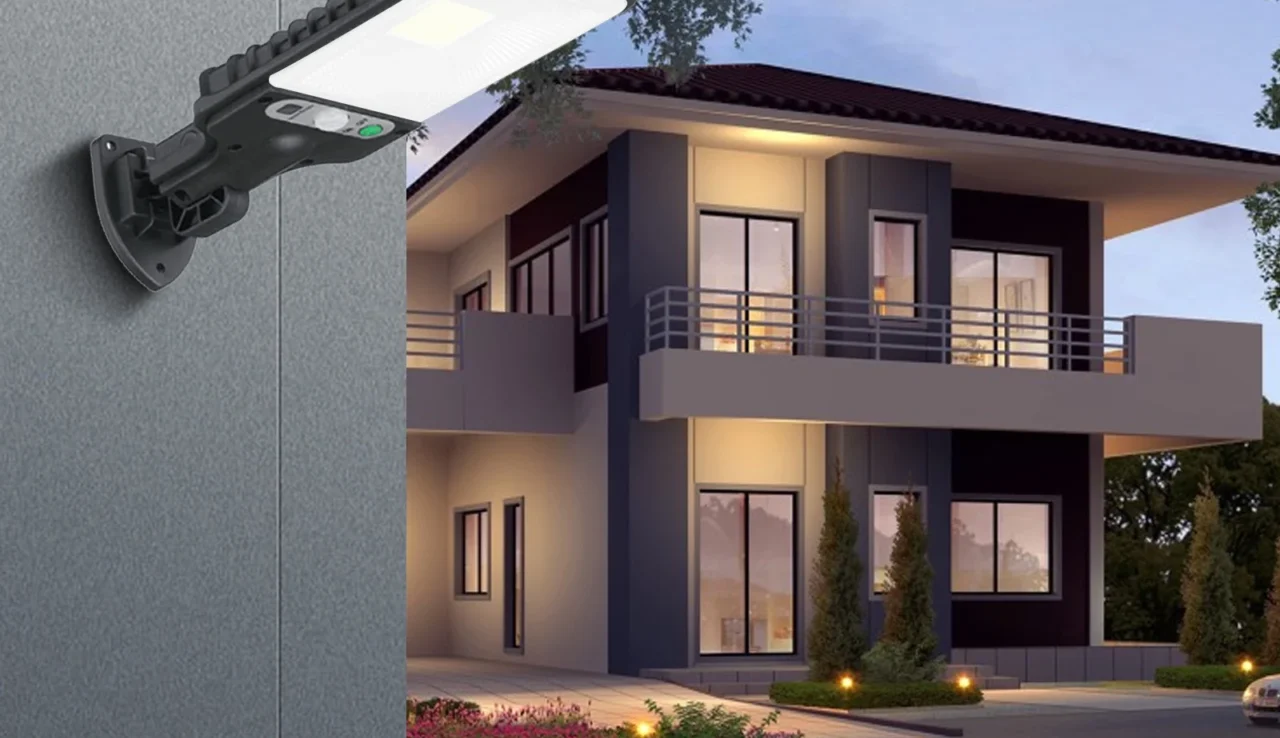
smart-lighting-technology-BASON_975c7536-700f-4eae-afee-8b5c62f804b3

The Ultimate Guide to Smart Home Automation for Lagos Homeowners

  As the pace of life in Lagos continues to accelerate, the traditional “four walls and a roof” concept is evolving. In 2026, Smart home automation is no longer a luxury reserved for the elite; it is a strategic solution to local challenges like rising energy costs, security concerns, and the need for seamless convenience. At Energymall, we understand that a truly smart home in Nigeria must be resilient and efficient. Whether you are in a Lekki penthouse or a mainland family home, transitioning from a traditional setup to an automated one is simpler than you might think. This guide provides the verified facts you need to start your journey.   Why Automate Your Lagos Home in 2026? The shift toward automation is driven by more than just “cool gadgets.” Verified data from the Nigerian market highlights three primary drivers: 1. Energy Efficiency: Smart home systems help Nigerian households save between **15% and 25%** on electricity bills. In a climate where air conditioning is a necessity, smart thermostats and inverter-compatible controllers can reduce AC-related energy waste by up to 30%. 2. Security and Surveillance: In 2026, AI-driven surveillance has become the standard. Smart locks and motion-sensing cameras provide real-time alerts to your smartphone, allowing you to monitor your property from anywhere in the world. 3. Property Valuation: For homeowners looking to sell or rent in high-brow areas like Ikoyi or Victoria Island, integrating smart features significantly increases property desirability and resale value. — Steps to Transition: From Traditional to Smart   Moving to a smart setup doesn’t require tearing down your walls. Here is how to begin: 1. Evaluate Your Infrastructure (Wired vs. Wireless) Before contacting a **home automation company**, decide on your infrastructure. Wireless (Retrofitting): Best for existing homes. Using protocols like Zigbee or Wi-Fi, you can replace standard switches with smart ones without new cabling. Wired (New Builds): If you are currently building, a wired system offers unmatched reliability, especially in large homes with thick concrete walls that often cause “Wi-Fi dead zones.”   2. Prioritize Your Needs Don’t try to automate everything at once. Start with the “Big Three”: Smart Lighting: Replace standard switches with smart modules (e.g., Sonoff or Tuya) to schedule outdoor lights or dim indoor lights via voice command. Climate Control: Use smart AC controllers to ensure your cooling only runs when someone is in the room. Access Control: A smart door lock (starting around **₦150,000 to ₦300,000** for quality units) removes the need for physical keys and tracks who enters your home.   3. Choose a Central Hub To avoid having ten different apps for ten different devices, you need a unified ecosystem. Popular choices in Nigeria include **Google Home, Amazon Alexa,** and specialized platforms like **Yubii OS**, which allow you to control lighting, security, and energy from a single interface.   Cost Reality Check: What to Expect in the Nigerian Market Understanding the financial commitment is key to a successful **smart home installation in Nigeria**. Based on 2026 market rates: | Device/Service | Estimated Price (NGN) | Benefit | | :— | :— | :— | | Smart Wi-Fi Switch | ₦10,000 – ₦25,000 | Remote lighting control | | Smart Door Lock | ₦150,000 – ₦450,000 | Keyless entry & security | | Automatic Gate Kit | ₦300,000 – ₦650,000 | Convenience & safety | | Smart Energy Monitor | ₦45,000 – ₦100,000 | Real-time bill tracking |    Professional Smart Home Installation in Nigeria While DIY kits are available, a professional **home automation company** ensures that your system is “future-ready” and integrated with your power backup (Solar/Inverter) systems. At Energymall, we focus on the intersection of energy and technology. We ensure your automation doesn’t just look good—it actually saves you money by optimizing how your home consumes power.   Key Considerations Before You Buy: Interoperability: Ensure the brands you buy (e.g., Xiaomi, Sonoff, or Phillips) can “talk” to each other. Internet Stability: A smart home is only as smart as your connection. Invest in a mesh Wi-Fi system to ensure coverage in every room. After-Sales Support: Always choose a provider with a physical presence in Nigeria to handle maintenance and software updates.   Smart home automation is the bridge to a more comfortable, secure, and cost-effective lifestyle in Lagos. By starting small and focusing on energy-saving devices, you can transform your living space into an intelligent ecosystem that works for you. Ready to upgrade your home? Energymall is here to guide you through every step of the process, from choosing the right devices to professional installation. Let’s make your home work smarter.

Earthing Kit

Why Earthing is Non-Negotiable for the Nigerian Home and Business

  In the Nigerian electrical landscape, the conversation often centers on “light” (availability) and voltage stability. However, at Energymall, we recognize a silent, often overlooked hero of electrical safety: Earthing, also known as Grounding. Earthing is the process of creating a low-resistance path for electrical current to flow into the earth during a fault. Given the unique challenges of the Nigerian power grid and our tropical climate, earthing is not a luxury or an optional add-on. It is a fundamental necessity for survival and equipment longevity.   1. Protection Against Lightning Strikes Nigeria, particularly in the southern regions, experiences high frequencies of thunderstorms. Without a functional earthing system, a lightning strike on or near your building has no “escape route.” The massive surge of energy will instead travel through your internal wiring, leading to catastrophic fires or the instant destruction of expensive appliances. A dedicated **Lightning Protection System (LPS)** integrated with a solid earth pit ensures this atmospheric energy is safely discharged into the ground. 2. Safeguarding Against “Floating Neutrals” One of the most common technical issues in Nigerian neighborhoods is the “floating neutral.” This occurs when the neutral wire from the transformer is weak or disconnected. When this happens, the voltage in your home can fluctuate wildly, sometimes spiking to **400V** or more on a single-phase line. Proper earthing helps stabilize this voltage and provides a reference point for your electrical system, preventing your electronics from being “fried” by these imbalances. 3. Human Safety: Preventing Lethal Shocks Have you ever felt a “tingle” or a sharp shock when touching the casing of your refrigerator, washing machine, or microwave? That is a clear sign of poor earthing. The Science: When an internal wire touches the metal casing of an appliance, the casing becomes “live.” The Result: Without an earth wire to pull that current away, **you** become the path to the ground when you touch it. The Solution: A robust earthing system ensures that the moment a fault occurs, the current flows to the earth, triggering your circuit breaker or RCD (Residual Current Device) to trip and cut off the power.   The Facts: Verifying Your Earthing System At Energymall we don’t guess, we measure. To ensure your building is truly safe, the following technical standards must be met: Earth Resistance Value: According to the Nigerian Electricity Regulatory Commission (NERC) and international standards (IEEE), the ideal earth resistance should be **below 5 Ohms**. For sensitive data centers or industrial hubs, we aim for less than 1 Ohm. The Soil Factor: Nigeria’s soil varies. Sandy soils in coastal areas like Lagos or rocky terrains in Abuja have different conductivity levels. This requires specialized treatments like **Earth Enhancement Compounds** to maintain low resistance. Copper Purity: Many local installations fail because of “copper-coated” iron rods that corrode within months. We verify the use of high-purity copper electrodes to ensure a lifespan of over 20 years.   Conclusion: Don’t Wait for a Disaster Earthing is the foundation of electrical integrity. It protects your family from electrocution, your business from fire, and your investments from power surges. At Energymall, we specialize in professional earth pit installations, soil resistivity tests, and comprehensive audits of your building’s safety systems. To book an installation or any of our maintenance solutions, visit our site at Service.energymall.ng

solar-powered-water-pump

Solar Water Pump Installation: The Future of Agriculture in Nigeria

  The landscape of Nigerian agriculture is undergoing a radical shift. For decades, the “heartbeat” of many farms was the rhythmic, often problematic, thrum of diesel engines. However, with fuel prices in early 2026 hovering between **₦1,000 and ₦1,200 per liter**, the cost of traditional irrigation has become a barrier to survival rather than a tool for growth. At Energymall, we see a new future: one powered by the 300 days of abundant sunshine Nigeria receives annually. Solar water pump installation is no longer an “alternative” technology; it is the financial and operational backbone of modern, profitable farming.   The Economic Reality: Solar vs. Diesel To understand why solar is the future, we must look at the hard data. Traditional petrol or diesel pumps require a constant “tax” on your productivity. | Feature | Diesel Powered Pumps | Solar Powered Pumps | | — | — | — | | **Initial Cost** | Lower upfront investment | Higher upfront investment | | **Daily Fuel Cost** | **₦4,500 – ₦6,000** (Avg. 6hrs/day) | **₦0 (Free)** | | **Annual Maintenance** | High (Oil, filters, engine wear) | Minimal (Panel cleaning) | | **Break-even Period** | Never (Ongoing expense) | **6 to 18 Months** | | **Lifespan** | 3–7 years (with overhauls) | 20+ years (Panels) | For a standard 3 HP pump running 6 hours a day, a Nigerian farmer spends approximately **₦1.5 million annually** on fuel alone. By transitioning to solar, that entire expense is redirected into profit or farm expansion. Why Solar Pumping is Vital for Nigeria in 2026 1. Conquering the Dry Season In Nigeria, the highest demand for irrigation occurs during the dry season—precisely when solar irradiance is at its peak. This natural alignment ensures that your crops receive maximum water when the sun is harshest. Research indicates that solar-powered irrigation can increase farming cycles from **1.4 to nearly 2.0 cycles per year**, effectively allowing for year-round cultivation and doubling annual output. 2. Energy Sovereignty Fuel scarcity and price volatility are recurring challenges in the Nigerian market. Solar water pumps decouple food production from the grid and the filling station. When the local station runs dry or prices spike overnight, a solar-powered system ensures your crops stay hydrated without interruption. 3. Boosting Crop Yields and Quality Precision is the key to modern agriculture. Whether it is a deep-well submersible pump for a borehole or a surface pump for a stream, solar systems provide a consistent flow rate. In states like Kaduna and Kano, farmers utilizing solar irrigation have reported yield increases of up to **31.5%** compared to those relying on rain-fed or erratic manual methods. Verification and Policy Support The shift is backed by significant institutional momentum. In late 2025, the **National Economic Council (NEC)** endorsed the national rollout of solar-powered irrigation pumps to replace petrol-powered versions. Furthermore, the **National Agency for Science and Engineering Infrastructure (NASENI)** has begun deploying thousands of units to facilitate the cultivation of up to **one million hectares** of irrigated farmland across the country. These are not just environmental goals; they are national food security mandates. By adopting solar, Nigerian farmers are aligning with a federal shift toward “climate-smart” agriculture that reduces the national carbon footprint by an estimated 4,000,000 metric tons of $CO_2$ annually. Your Partner in Agricultural Growth: Energymall Transitioning to solar is a significant investment, and it requires technical precision. At Energymall, we don’t just sell equipment; we design solutions tailored to the Nigerian terrain. *Borehole & Submersible Expertise:* We size systems based on your specific water depth and flow requirements. *Drip Irrigation Integration:** We combine solar pumps with pressure-regulated drip systems to maximize water-use efficiency. *Maintenance & Support:** Our systems are built with durable, high-efficiency components designed to last 20+ years. The sun is Nigeria’s most reliable partner. It is time your farm started using it. To see our installation and equipment maintenance solutions, visit service.energymall.ng  

Security lighting

Light is no longer just a utility; it is a design language.

  In the modern Nigerian home, the shift from traditional switches to intelligent systems has redefined how we experience our living spaces. As energy costs fluctuate and the demand for premium home aesthetics rises, smart lighting has emerged as a critical investment for homeowners, architects, and interior designers alike. At Energymall, we understand that brilliance lies in the balance between beauty and efficiency. Here is how smart lighting installations are elevating the Nigerian home aesthetic in 2026. The Intersection of Atmosphere and Automation Aesthetics are rooted in how a space feels at any given moment. Traditional lighting offers a binary choice: on or off. Smart lighting, however, introduces layered lighting design, allowing you to control intensity, color temperature, and directionality. 1. Adaptive Ambiance with Color Tuning Modern smart LEDs allow you to adjust color temperatures ranging from a crisp, energizing 5,000K (Cool White) for morning productivity to a cozy, golden 2,700K (Warm White) for evening relaxation. By emulating the natural solar cycle, these installations don’t just look better; they support your circadian rhythm, improving sleep quality and focus. 2. Architectural Highlighting With smart spotlights and RGBWW light strips, you can accentuate the unique features of your home. Whether it is a textured wall in a Lekki penthouse or a bespoke art piece in an Abuja villa, smart controls allow you to “paint” with light. You can dim peripheral lights while brightening focal points, creating depth and a “gallery” feel that static bulbs cannot achieve. Verifiable Benefits: Efficiency Meets Value Smart lighting is not merely a luxury; it is a strategic upgrade. Data from the Nigerian real estate market and energy sector highlights the tangible impact of these systems: Energy Savings: Standard LED upgrades reduce energy consumption by up to 75% compared to incandescent bulbs. When paired with smart sensors and scheduling, homeowners can see a further 15% to 25% reduction in monthly electricity bills by eliminating energy waste in unoccupied rooms. Property Appreciation: Research indicates that “smart-enabled” homes in prime locations like Lagos and Abuja can attract a price premium of 15% to 30% over traditional properties. Investors increasingly prioritize “tech-ready” infrastructure. Enhanced Security: Through “Away Mode” automation, your lights can simulate occupancy by turning on and off at random intervals. This provides a proactive security layer that is as aesthetic as it is functional. Choosing the Right Ecosystem for Nigeria The Nigerian environment requires hardware that is both durable and adaptable. At Energymall, we curate and install systems that integrate seamlessly with local power realities. Leading Smart Brands in Nigeria Brand Best For Compatibility Philips Hue Premium features & color accuracy Google Home, Alexa, Apple HomeKit Tuya / Smart Life Versatility & local availability Wide range of third-party devices Sonoff DIY automation & smart switches eWeLink App, Alexa Xiaomi (Mi) Sleek, minimalist design Mi Home ecosystem Professional Installation: The Energymall Advantage While a smart bulb is a simple screw-in task, a truly elevated aesthetic requires a turnkey installation. Our approach at Energymall involves: Lighting Design: Mapping out “scenes” (e.g., Movie Night, Dinner Party, Security Glow) tailored to your floor plan. Infrastructure Integration: Installing smart switches and relays that allow you to control existing premium chandeliers and POP lighting via voice or app. Reliability: Configuring localized hubs to ensure your automations work even when the internet is unstable. Elevate Your Space Today The future of Nigerian luxury is efficient, intelligent, and beautifully lit. Smart lighting is the most immediate way to transform a house into a sophisticated home that responds to your presence and reflects your style. To see more of our energy installation/maintenance solutions visit Service by Energymall